How to Prune Wolf's currant?
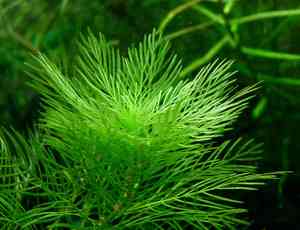
Ribes aureum is a leaf-shedding bush recognized for its appealing fruit and leaves. Trim in early spring prior to the emergence of new shoots. Initially, eliminate any lifeless or ailing branches, then reduce older stalks to enhance air movement and light exposure. Refrain from excessive trimming to preserve the plant's inherent structure and foster robust development. Consistent trimming stimulates abundant berry yield and aids in shaping the plant. Always utilize sanitized, sharp implements to avert the spread of pathogens.
What Are the Benefits of Pruning Wolf's Currant?
What Are the Benefits of Pruning Wolf's Currant?
Trimming wolf's currant promotes robust development and maintains its form. This practice fosters healthier limbs, improved air circulation, and heightened resistance to pests and illnesses, ultimately resulting in enhanced blooming or fruiting and a more attractive appearance.
What Is the Best Time for Pruning Wolf's Currant?
What Is the Best Time for Pruning Wolf's Currant?
Pruning wolf's currant in early spring, prior to new growth, is optimal as it allows for the removal of any dead or damaged branches that may have occurred over winter. This timing also enables the plant to efficiently allocate its energy for new development. Furthermore, early spring pruning aids in better air circulation and sunlight penetration, reducing the risk of disease and pest infestations as the growing season progresses. Pruning at this time ensures wolf's currant achieves peak flowering and fruiting later in the year.
What Tools Do I Need to Prune Wolf's Currant?
Bypass Pruners
Perfect for making precise cuts on living wood, which is crucial for maintaining the vitality of wolf's currant.
Loppers
Useful for severing thicker branches that are too large for bypass pruners. They offer increased leverage for clean cuts.
Pruning Saw
Essential for removing larger, older branches that cannot be cut with pruners or loppers. Ensures smooth cuts on substantial stems.
Gloves
Protects hands from thorns and rough branches, ensuring safety during pruning.
Alcohol Wipes
For sanitizing pruning tools between cuts to prevent the spread of pathogens.
How to Prune Wolf's Currant
Inspect
Carefully examine wolf's currant to identify any diseased leaves, withered leaves, dead branches, and diseased branches. This initial assessment helps determine the extent of necessary pruning.
Clean Tools
Ensure all pruning implements, such as shears or loppers, are clean and sharp. Sterilizing your tools helps prevent the transmission of disease from infected plant parts to healthy ones.
Remove Diseased Leaves
Begin by eliminating any diseased leaves. Cut these leaves at their base or where they connect to the main stem. Be sure to dispose of these leaves away from the plant area to prevent disease spread.
Remove Withered Leaves
Trim away all withered leaves by making a clean cut at the point where the leaf stem meets the branch. This will help improve air circulation and overall plant health.
Remove Dead and Diseased Branches
Carefully cut away dead and diseased branches. Make the cut just above a healthy bud or branch junction to encourage new growth. For thick branches, make an initial undercut to prevent bark tearing, then complete the cut from the top.
Common Pruning Mistakes with Wolf's Currant
Over-pruning
Removing an excessive amount of the plant can stress it and diminish its ability to photosynthesize effectively, leading to weaker growth and fewer blooms.
Improper technique
Using dull or unclean tools can result in jagged cuts that leave the plant vulnerable to diseases and pests.
Pruning at the wrong time
While the optimal season for pruning is not specified, timing within the plant's growth cycle is critical. Pruning during active growth can harm new growth and flowers.
Ignoring dead or diseased wood
Failing to remove dead or diseased branches can allow problems to spread throughout the plant.
Common Pruning Tips for Wolf's Currant
Use sharp, clean tools
Always use sharp pruners or shears to make clean cuts, and sterilize tools before and after use to prevent disease transmission.
Remove dead, damaged, or diseased wood first
Always start by identifying and cutting away any parts of the plant that are dead, damaged, or diseased to promote overall health.
Make cuts at a bud or branch junction
Make cuts just above a bud or where one branch meets another to encourage new growth in the desired direction.
Thin out rather than shear
For a healthier plant structure, thin out select branches instead of shearing off the top. This allows light and air to penetrate the plant, reducing the risk of disease and promoting robust growth.
Monitor plant's response
After pruning, observe how wolf's currant responds. Adjust your technique in subsequent sessions based on the plant's growth and health.



