How to Propagate Wolf's currant?
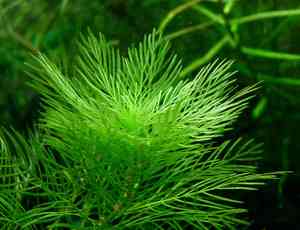
Ribes aureum is a deciduous woody plant valued for its appealing leaves and fruit. For propagation, stem sections offer the highest chance of success. Choose robust, unblemished stems and apply a rooting stimulant to foster root formation. Insert the cuttings into a substrate that drains effectively, keep it sufficiently moist, and provide exposure to filtered light. Periodically check for root development and transfer viable cuttings to separate containers prior to outdoor transplantation.
When Is the Optimal Time to Propagate Wolf's Currant?
Propagation Method
Cutting
Propagation Period
Spring,Summer
What Tools Are Utilized for Wolf's Currant Propagation?
Sharp Pruners
Sharp pruners are vital for obtaining clean and precise cuttings from wolf's currant. Clean cuts minimize plant stress and disease risk, fostering successful rooting and robust growth.
Rooting Hormone
Rooting hormone is applied to wolf's currant cuttings to encourage root development. It boosts the likelihood of successful rooting by supplying essential hormones that cuttings might initially lack.
Propagation Trays
Propagation trays are beneficial for organizing and maintaining an ideal environment for wolf's currant cuttings to root. They offer structure and support, preserving soil moisture and simplifying the monitoring of multiple cuttings.
Humidity Dome
A humidity dome helps maintain elevated humidity levels around wolf's currant cuttings, which is critical for preventing dehydration and promoting root formation. It creates a micro-environment that conserves moisture.
Sharp Knife or Scalpel
A sharp knife or scalpel can be employed for more precise cuts when preparing wolf's currant cuttings. Accurate cutting reduces plant tissue damage, improving the probability of successful propagation.
Spray Bottle
A spray bottle assists in misting wolf's currant cuttings to keep leaves moist without over-saturating the soil. This ensures young cuttings do not dry out, which is crucial for their survival during the initial rooting phase.
Heat Mat
A heat mat can provide warmth from below to wolf's currant cuttings, encouraging quicker root growth. Consistent, gentle heat is particularly effective in stimulating root cell development in cooler conditions.
How to Propagate Wolf's Currant?
Propagation Difficulty
Moderately Difficult
How to Care for Your Newly Propagated Wolf's Currant?
How to Care for Your Newly Propagated Wolf's Currant?
Once roots are established, gradually introduce the new plants to outdoor conditions by increasing their exposure to light and air over one to two weeks. Transplant them to their permanent spot in well-draining soil, ensuring adequate space for air circulation. Provide consistent watering during dry spells, use mulch to retain moisture, and regularly check for pests or diseases specific to wolf's currant, ensuring optimal growing conditions.
Common Errors to Avoid When Propagating Wolf's Currant
Overwatering
Excessive water can lead to root rot, hindering growth and potentially killing wolf's currant.
Using the wrong soil type
Inappropriate soil may lack proper drainage, resulting in poor root development.
Neglecting sunlight requirements
Insufficient light impacts photosynthesis, slowing down growth.
Incorrect cuttings selection
Utilizing unsuitable or unhealthy plant parts reduces rooting success.
Improper cutting technique
Damaging plant tissue during cutting decreases the chances of successful propagation.
Advice For Propagating Wolf's Currant
Ensure proper drainage
Use a well-draining soil mixture to prevent waterlogging and root rot.
Select healthy cuttings
Choose robust, disease-free stems for improved rooting success.
Use rooting hormone
Applying a rooting hormone can boost root formation and increase success rates.
Provide ample light
Place cuttings in a brightly lit, but not directly sun-exposed area to encourage healthy growth.
Maintain humidity
Keep the cuttings in a humid environment to prevent them from drying out during root development.



