Wolf's currant (Ribes wolfii)
Also known as: Wolf's currant
The Wolf's Currant is a hardy mountain shrub that produces clusters of small, pinkish-white flowers in the spring. Well-suited to cooler climates, it bears translucent red berries that nourish local wildlife. Its lush green leaves turn a vibrant red in the fall, creating a stunning contrast against the rocky alpine terrain it inhabits.
In This Article
Attributes of Wolf's currant
Lifespan
Perennial
Plant Type
Shrub
Plant Height
Up to 2 meters
Spread
Varies, generally up to 1 meter
Leaf Color
Green
Flower Size
Approximately 0.5 to 1 centimeters
Flower Color
Yellowish-green
Images of Wolf's currant
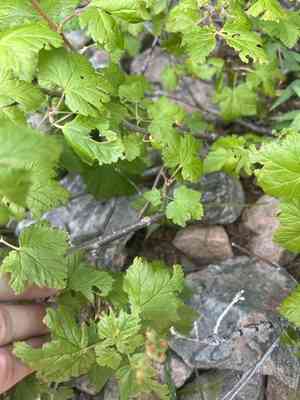
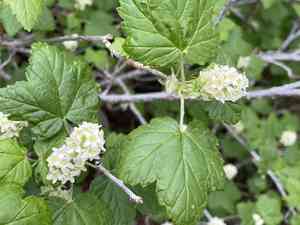
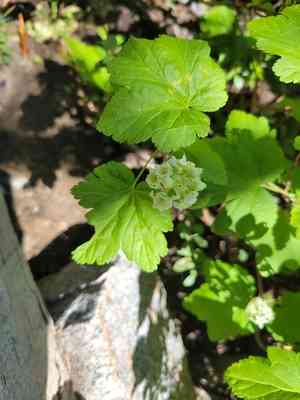
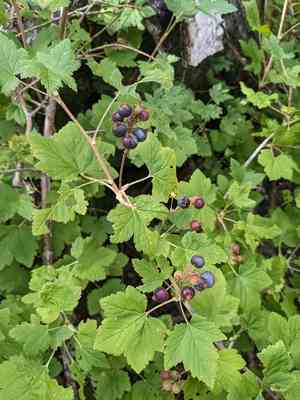
Quickly Identify Wolf's currant
1
Wolf\'s currant can be identified by its lobed green leaves, small bell-shaped flowers, and black or blue-black berries. It often grows as a shrub up to 2 meters tall.
Scientific Classification of Wolf's currant
Phylum
Vascular plants
Class
Dicotyledons
Order
Saxifragales
Family
Currant
Genus
Currants
Species
Wolf's currant
Planting and Growing of Wolf's currant
Care Difficulty
Moderate
Watering Schedule
Every 2 days
Sunlight Requirements
Partial sun
Sunshine Duration
4-8 hours
Ideal Temperature
50-70℉
Soil Type
Potting Mix, Peat Mix
Soil pH
6-7.5
Fertilizer Type
Balanced
Pruning Season
Spring, Summer
Pruning Area
Branches, Leaves
Pruning Frequency
2 times a year
Repotting Season
Spring
Pot Type
Plastic, Ceramic
 How to Water Wolf's currant?
For Ribes wolfii, it's essential to water deeply but not excessively. Aim to provide approximately 500 milliliters per watering session, allowing the water to soak into the root zone completely. The goal is to ensure moist soil without enabling standing water or sogginess.
What are the symptoms of an underwatered Wolf's currant?
›
What should I do if my Wolf's currant is not getting enough water?
›
What are the symptoms of an overwatered Wolf's currant?
›
How to save an overwatered Wolf's currant?
›
 What Are the Sunlight Requirements for Wolf's currant?
Ribes wolfii ideally requires partial to full sun exposure, providing it with strong growth and a robust structure. Adequate light encourages blooming and lush foliage.
What are the ideal lighting conditions for Ribes wolfii?
›
How can you ensure Ribes wolfii receives optimal light?
›
What happens if Ribes wolfii gets its ideal light?
›
 What Is the Ideal Temperature Range for Wolf's currant?
For Ribes wolfii, the ideal temperature range ensures optimal growth and health. This species thrives best between 50°F and 70°F, which provides adequate warmth while preventing overheating. Ensuring these conditions helps in robust flowering and fruiting.
 What Soil is Best for Wolf's currant?
Ribes wolfii thrives best in well-draining soil which prevents water stagnation around the roots. This ensures the plant has access to necessary oxygen and minimizes root rot risks, which is crucial for healthy growth. This plant benefits from soil rich in organic matter. The decaying plant material enhances nutrient availability, supporting robust growth and vibrant foliage, making it a staple in the plant's care. Ribes wolfii prefers soil that maintains a moderate level of moisture. Keeping the soil moderately moist prevents stress from drought conditions and ensures the plant can absorb nutrients efficiently.
 How to Fertilize Wolf's currant?
Ribes wolfii benefits from a balanced application of fertilizer. Use a 10-10-10 NPK formula, starting with a light application of about 1 tablespoon per plant, ensuring to water it thoroughly to avoid burning roots. Adjust based on observational needs.
 How to Prune Wolf's currant?
Start by removing any dead or damaged branches, cutting them back to the nearest healthy bud or stem. This encourages the plant to focus energy on new growth. Shape Ribes wolfii by thinning out overcrowded branches. This improves air circulation and sunlight penetration, essential for flowering and fruiting. Cut back old stems that are not producing fruit. Focus on leaving healthier, younger branches that show strong growth potential for better yields.
More About Pruning Techniques→
 How to Propagate Wolf's currant plant?
1
Collect ripe seeds from healthy plants and sow them in seed trays filled with a mix of peat and sand. Cover them lightly and mist with water to maintain humidity. Position in indirect sunlight.
2
Select healthy stems and cut 10-15 cm long sections just below a node. Remove lower leaves to reduce moisture loss and dip the cut end in rooting hormone before planting in moist soil.
3
Carefully dig up a mature plant and separate root clusters by gently pulling them apart or cutting with a sharp knife. Replant each division at the same depth they were growing previously.
 How to Repot Wolf's currant plant?
1
Repotting Ribes wolfii involves observing signs like roots poking out of drainage holes, the plant appearing top-heavy or wilting despite watering. Ideally, repot in spring or early summer when the plant shows active growth, ensuring minimal stress and maximum recovery potential.
2
Select a pot that's only slightly larger than the current one, typically 1-2 inches wider. Opt for one with adequate drainage holes to prevent waterlogging. This size allows roots to spread comfortably without overwhelming the plant with too much soil that retains excess moisture.
3
Use a well-draining loamy soil mix rich in organic matter. This type of soil ensures good root aeration, prevents compaction, and helps retain necessary moisture without causing root rot. It's crucial for supporting the plant’s nutrients need for optimum growth.
Learn More About Wolf's currant Diseases
Anthracnose
Bacterial Leaf Spot
Black Spot
Chemical Injury
Crown Gall
Cyst Nematode
Damping-off
Downy Mildew
Drought Stress
Fusarium Wilt
Gray Mold
Leaf Curl
Leaf Spot
Mosaic
Nutrient Deficiency
Nutrient Toxicity
Powdery Mildew
Root Rot
Root-knot Nematode
Rusts
Sooty Mold
Spider Mites
Temperature Stress
Thrips Damage
White Mold



