How to Prune Rock redcurrant?
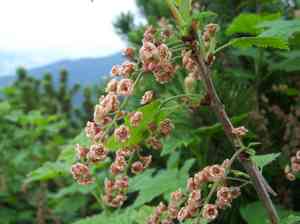
This small, leaf-shedding bush, recognized for its bunches of sour fruit, necessitates careful trimming. Rock redcurrant flourishes when pruned in late winter or early spring, preferably prior to the emergence of new shoots. Primary techniques involve eliminating deceased or excessively dense branches to foster robust development and enhanced fruit yield. Reducing the number of older stalks permits sunlight to reach the foliage, thereby elevating berry excellence. Consistent trimming additionally aids in preserving the plant's form and averting ailments.
What Are the Benefits of Pruning Rock Redcurrant?
What Are the Benefits of Pruning Rock Redcurrant?
Trimming rock redcurrant is crucial for keeping its compact shape and encouraging strong development. Regular cutting helps revitalize the plant, fostering a denser, healthier form and boosting its decorative value.
What Is the Best Time for Pruning Rock Redcurrant?
What Is the Best Time for Pruning Rock Redcurrant?
Pruning rock redcurrant in late winter and early spring is optimal as it prepares the plant for new growth and ensures a vigorous flowering and fruiting season. During late winter, the plant is still dormant, which minimizes stress and allows for easier healing of cuts. Early spring pruning aligns with the onset of new growth, ensuring that energy is directed towards the development of healthy new shoots and ultimately enhances the plant's overall health and productivity.
What Tools Do I Need to Prune Rock Redcurrant?
Hand Pruners
Hand pruners, also known as secateurs, are essential for making clean cuts on the smaller, thinner branches of rock redcurrant. These tools allow for precise control, which is crucial for shaping the plant and removing dead or diseased wood without harming the rest of the plant.
Loppers
For branches that are slightly thicker and beyond the capability of hand pruners, loppers are the right choice. Rock redcurrant may develop some robust branches as it matures, and loppers will provide the leverage needed to make clean cuts on branches up to 1.5 inches thick.
Pruning Saw
For the thickest branches of rock redcurrant, a pruning saw is necessary. It is designed to cut through wood thicker than what hand pruners and loppers can handle, ensuring that even the toughest cuts are clean and efficient, thereby promoting the plant's health.
Gardening Gloves
While not a cutting tool, gardening gloves are essential when pruning rock redcurrant to protect your hands from thorns and rough bark, enhancing safety and comfort during the pruning process.
How to Prune Rock Redcurrant
Identify
Examine rock redcurrant thoroughly, focusing on locating diseased leaves, withered leaves, dead branches, and diseased branches. Prioritize these parts as they compromise the health and aesthetics of the plant.
Sanitation
Use sanitized pruning shears to avoid spreading pathogens. Clean the blades with a solution of 1 part bleach to 9 parts water or use alcohol wipes to ensure hygiene is maintained throughout the process.
Remove leaves
Carefully clip off diseased and withered leaves from rock redcurrant. Make cuts close to the branch but do not damage the healthy stem tissue. Removing these leaves helps prevent further spread of disease and improves airflow, which is vital for the health of rock redcurrant.
Prune branches
Cut away dead and diseased branches from rock redcurrant. Use sharp pruning shears to make clean cuts at a 45-degree angle to promote healing. Cuts should be made just outside the branch collar without leaving stubs to facilitate effective healing.
Cleanup
Collect all removed plant materials and dispose of them properly, not in your compost, to prevent reinfection or pest infestation. Clean your pruning equipment thoroughly after finishing the pruning session.
Common Pruning Mistakes with Rock Redcurrant
Overpruning
Removing too much foliage from rock redcurrant can significantly weaken the plant. This can lead to reduced flowering and fruiting, as excessive cutting back may remove new buds and growth points essential for the next season's blooms.
Improper cut locations
Cuts made too far from a bud on rock redcurrant can result in unsightly and potentially harmful stubs. These stubs can serve as entry points for pests and diseases. Conversely, cuts made too close to the bud can damage or kill the bud, impairing new growth.
Using dull tools
Utilizing dull pruning shears or saws can lead to jagged cuts that are difficult to heal over. This increases rock redcurrant's susceptibility to infections and diseases.
Neglecting sanitation
Failing to clean pruning tools between cuts, especially when moving between different plants, can spread diseases. Proper sanitation helps maintain the overall health of rock redcurrant and the garden.
Common Pruning Tips for Rock Redcurrant
Selective pruning
Focus on removing only the dead, diseased, or damaged branches to promote rock redcurrant's health and vigor. This targeted approach encourages a natural growth pattern and improves air circulation within the canopy, which is crucial for reducing disease pressure.
Thinning out
Thin out dense areas of growth to ensure adequate light penetration, which is particularly important for rock redcurrant to develop strong, healthy fruit. This also helps in maintaining a balanced, open structure that supports robust growth.
Prune for shape
Guide the shape of rock redcurrant by pruning back to a healthy bud facing the outer side of the plant. This technique encourages outward growth, enhancing rock redcurrant's aesthetic appeal and making it easier to manage in a garden setting.
Tool maintenance
Keep pruning tools sharp and clean. After finishing pruning, disinfect blades to prevent the spread of pathogens. A clean cut heals faster and minimizes stress on rock redcurrant, enhancing its resilience and longevity.



