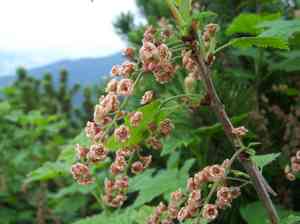
Rock redcurrant (Ribes petraeum)
Also known as: Rock Currant, Stonecurrant
The rock redcurrant is a resilient shrub that flourishes on rocky slopes and cliff sides. Its sturdy, woody stems support small, lobed leaves and clusters of bell-shaped flowers ranging from red to purple, which are attractive to pollinators. In autumn, it yields edible red berries that are a favorite among wildlife. The plant's natural rocky habitat highlights its toughness, as it can withstand both cold temperatures and drought conditions admirably.
In This Article
Attributes of Rock redcurrant
Lifespan
Perennial
Plant Type
Shrub
Plant Height
1 to 2 meters
Spread
1 to 1.5 meters
Leaf Color
Green
Flower Size
1 to 1.5 cm
Flower Color
Pink to white
Images of Rock redcurrant
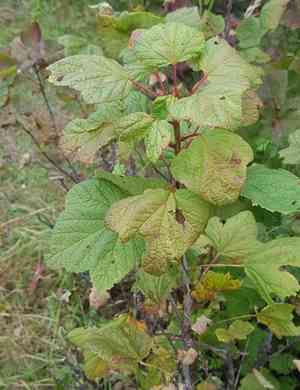
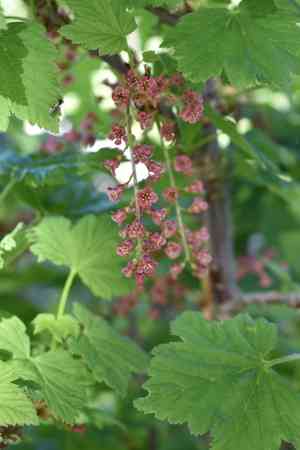
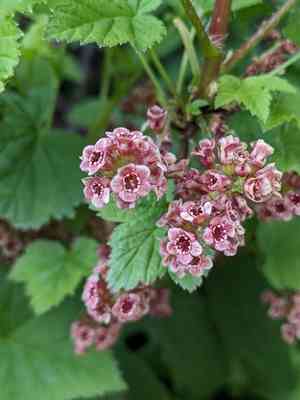
Quickly Identify Rock redcurrant
1
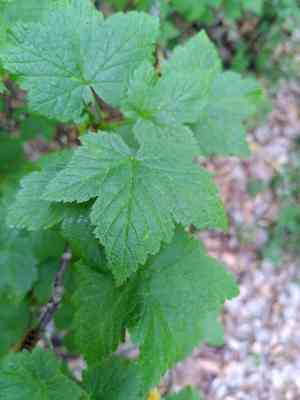
Identifying Ribes petraeum involves looking for a shrub that is typically 1 to 2 meters in height with lobed leaves and small, fragrant flowers. The fruit is usually red to purple-black and appears in clusters.
Scientific Classification of Rock redcurrant
Phylum
Vascular plants
Class
Dicotyledons
Order
Saxifragales
Family
Currant
Genus
Currants
Species
Rock redcurrant
Planting and Growing of Rock redcurrant
Care Difficulty
Easy
Watering Schedule
Every 3 days
Sunlight Requirements
Partial sun
Sunshine Duration
4-6 hours
Ideal Temperature
50-70℉
Soil Type
Potting Mix, Peat Mix
Soil pH
6.5-7.5
Fertilizer Type
Balanced
Pruning Season
Spring, Summer
Pruning Area
Branches, Leaves
Pruning Frequency
2 times a year
Repotting Season
Spring
Pot Type
Plastic, Ceramic
 How to Water Rock redcurrant?
When watering Ribes petraeum, aim to thoroughly soak the soil without causing waterlogging. It is essential to let the top inch of soil dry out between watering sessions to prevent root rot.
What are the symptoms of an underwatered Rock redcurrant?
›
What should I do if my Rock redcurrant is not getting enough water?
›
What are the symptoms of an overwatered Rock redcurrant?
›
How to save an overwatered Rock redcurrant?
›
 What Are the Sunlight Requirements for Rock redcurrant?
Ribes petraeum thrives best in partial sun, receiving around 4 to 6 hours of sunlight per day. This balance ensures healthy growth and supports its overall vitality without risking sunburn.
What is the ideal lighting condition for Ribes petraeum?
›
How can you ensure Ribes petraeum receives its ideal lighting?
›
What are the benefits of ideal lighting for Ribes petraeum?
›
 What Is the Ideal Temperature Range for Rock redcurrant?
The optimal temperature range for Ribes petraeum growth is between 50°F and 70°F. This range ensures that the plant can photosynthesize effectively while minimizing stress on its physiological processes. Keeping the plant within this temperature range will promote robust growth and flowering, as these temperatures are closest to its native alpine conditions.
 What Soil is Best for Rock redcurrant?
Ribes petraeum thrives in nutrient-rich soil, as it provides essential minerals for strong growth and fruit production. Ensuring the soil is rich in organic matter will lead to healthier plants and more abundant harvests. Proper drainage is key for Ribes petraeum since it prevents waterlogging which can lead to root rot. Well-drained soil ensures excess water can escape, keeping roots healthy and plants vigorous. While drainage is important, Ribes petraeum also benefits from soil that can retain moderate moisture, ensuring that the roots are not left dry between rains or waterings. This balance helps maintain consistent plant hydration.
 How to Fertilize Rock redcurrant?
Ribes petraeum is a resilient species but still requires a balanced nutrient input. When using liquid fertilizers, aim for a concentration of 1/4 strength per application, ensuring not to oversaturate the soil. Liquid fertilizers should offer a balanced NPK ratio of 10-10-10 for optimal growth.
 How to Prune Rock redcurrant?
Begin by identifying the oldest branches. Cut them at their base to open up the center for better air circulation and light penetration. Cut back the tips of long stems by a third. This encourages new growth and helps the plant develop a fuller, more robust shape. If the plant is too tall, strategically trim top branches, making cuts just above a node or lateral branch to control height without stunting growth. Focus on pruning after the last frost in spring or before the first frost in winter to minimize stress on the plant.
More About Pruning Techniques→
 How to Propagate Rock redcurrant plant?
1
Choose healthy, disease-free branches or seed sources from a mature Ribes petraeum plant to ensure successful propagation.
2
Cut stems must be around 10-15 cm long with at least two nodes. Remove the lower leaves before planting in a mix of sand and peat moss.
3
If propagating from seeds, sow them in a seedling tray with a light layer of substrate. Water lightly and cover with a lid to maintain humidity.
 How to Repot Rock redcurrant plant?
1
Look for signs like roots emerging from drainage holes or stunted growth. These indicate that Ribes petraeum has outgrown its pot and requires more space for healthy development. The best time to perform repotting is during spring or autumn when the plant is not experiencing significant growth spurts or stress due to extreme environmental conditions.
2
Select a pot slightly larger than the current one, allowing space for root expansion. A pot with proper drainage holes is crucial to prevent waterlogging. The material of the pot, whether terracotta or plastic, should align with your watering habits and environmental conditions, as terracotta allows more evaporation while plastic retains moisture better.
3
Opt for well-drained loamy soil mixed with organic matter. This choice ensures adequate drainage while providing necessary nutrients and aeration for the roots. Such soil supports healthy root development and prevents the risk of root rot, which can occur with water-retentive soils.



