How to Prune Hairy-stem gooseberry?
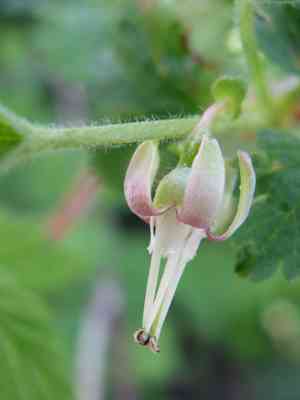
This leaf-shedding bush is recognized for its spiky stalks and palatable fruit. Optimal trimming for hairy-stem gooseberry entails eliminating deceased or compromised branches and reducing dense sections to enhance airflow. Ideally performed in winter while the plant is inactive, this practice also stimulates robust new development and fruit yield. Attention should be paid to preserving the shrub's inherent form, and sterilizing cutting implements is crucial to avert pathogen dissemination.
Advantages of Trimming Hairy-stem Gooseberry
Advantages of Trimming Hairy-stem Gooseberry
Trimming hairy-stem gooseberry is crucial for promoting a more plentiful harvest by encouraging robust development. It also aids in maintaining the desired plant form and dimensions, ensuring an appealing look while potentially lowering the risk of pests and illnesses.
Optimal Period for Trimming Hairy-stem Gooseberry
Optimal Period for Trimming Hairy-stem Gooseberry
Trimming in late winter, prior to the spring growth surge, allows hairy-stem gooseberry to recover from cuts without the danger of frost damage to new shoots. It reduces disease risk, as many pathogens are less active in cold weather. This timing also prevents the removal of flower buds that form on old wood, ensuring that blooming and fruiting are not negatively affected. Furthermore, the plant's dormant state during this period offers a clear view of its structure, simplifying the decision of which branches to remove.
Tools Required for Trimming Hairy-stem Gooseberry
Hand Pruners
Perfect for making clean cuts on hairy-stem gooseberry's smaller stems, up to 3/4 inches in diameter, enabling gardeners to shape the plant and remove dead or diseased wood without causing undue harm.
Loppers
Suitable for cutting through hairy-stem gooseberry's thicker branches, typically between 1 and 1-1/2 inches in diameter, providing leverage and reach while ensuring healthy cuts on larger growths.
Pruning Saw
Essential for hairy-stem gooseberry when dealing with branches exceeding 1-1/2 inches in thickness. It allows for precise and clean cuts on mature wood that hand pruners and loppers cannot manage without tearing the bark.
How to Trim Hairy-stem Gooseberry
Remove diseased and dead material
Identify and cut away any diseased leaves, withered leaves, dead branches, and diseased branches on hairy-stem gooseberry using sterilized pruning shears. Make clean cuts at the base of the affected part to prevent the spread of disease.
Thin out crowded areas
Thin out areas where the branches of hairy-stem gooseberry are overly dense to improve air circulation. Selectively remove the oldest, most excessive growth branches at their point of origin, but do not remove more than one-third of the plant in a single season.
Shape plant
Shape hairy-stem gooseberry by trimming away any wayward branches or branches that cross and rub against each other, which could cause wounds and invite pests or diseases. Aim to maintain the natural form of the plant.
Enhance fruit production
If applicable, prune hairy-stem gooseberry to encourage fruiting by removing some of the new growth and promoting stronger, horizontal branches which are more likely to produce fruit.
Tidy up
After pruning hairy-stem gooseberry, collect and dispose of all pruned material to reduce the chance of pests and diseases lingering in the area. Clean and sterilize your pruning tools to prevent transferring any potential pathogens to other plants.
Common Trimming Errors with Hairy-stem Gooseberry
Over pruning
Removing too much growth from hairy-stem gooseberry at once can stress the plant, making it prone to disease and potentially hindering its fruit production.
Blunt tool use
Using dull or unclean pruning tools can cause damage and ragged cuts that can make hairy-stem gooseberry susceptible to diseases and pests.
Wrong cut sites
Incorrect cutting sites can result in damage to the main stems or removal of healthy growth, which can hinder hairy-stem gooseberry's development and fruiting.
Neglecting dead wood
Failing to regularly remove dead or diseased wood can allow pests and diseases to spread throughout hairy-stem gooseberry, compromising its health and vigor.
Disregarding plant shape
Not considering the natural shape and growth habit of hairy-stem gooseberry when pruning can lead to unsightly plants and reduced fruit yield.
General Trimming Advice for Hairy-stem Gooseberry
Clean cuts
Make sure to use sharp, sterile pruning tools to make clean, precise cuts just above a healthy bud to ensure hairy-stem gooseberry heals quickly and minimizes the risk of disease.
Thinning
Selectively thin the branches of hairy-stem gooseberry to improve air circulation and sunlight penetration, which are essential for reducing disease risk and enhancing fruit production.
Maintenance pruning
Regularly prune away dead, diseased, or damaged branches from hairy-stem gooseberry to maintain plant health and encourage new growth.
Annual evaluation
Conduct an annual evaluation of hairy-stem gooseberry's growth, removing any crossing or rubbing branches to prevent damage and encourage an open, healthy plant structure.
Horizontal branches
Encourage fruiting by retaining horizontal branches, which are more likely to produce fruit on hairy-stem gooseberry, and pruning away vertical growth that mainly produces foliage.



