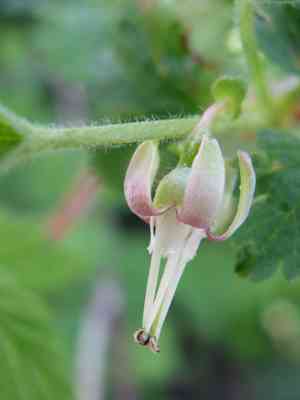
Hairy-stem gooseberry (Ribes hirtellum)
Also known as: Wedge-leaf gooseberry, American gooseberry
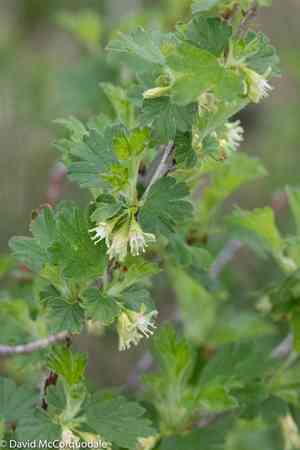
Ribes hirtellum, also known as hairy-stem gooseberry, is a perennial woody shrub. It typically blooms from spring to early summer with clusters of greenish-white, bell-shaped flowers, often tinged with purple at the edges. The leaves are wedge-shaped, setting them apart from other species. The fruits, which are gooseberries, appear in summer and transition from green to purple as they ripen by late summer.
In This Article
Attributes of Hairy-stem gooseberry
Lifespan
Perennial
Plant Type
Shrub
Plant Height
51 cm to 1.02 m
Spread
90 cm to 1.2 m
Leaf Color
Green
Flower Size
8 mm
Flower Color
Yellow Green
Images of Hairy-stem gooseberry
Quickly Identify Hairy-stem gooseberry
1
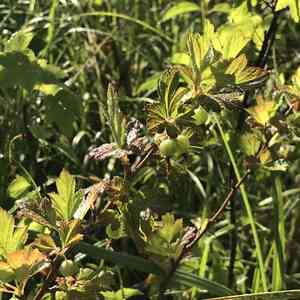
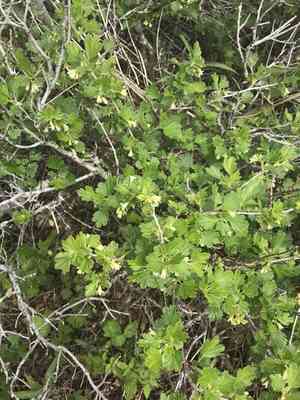
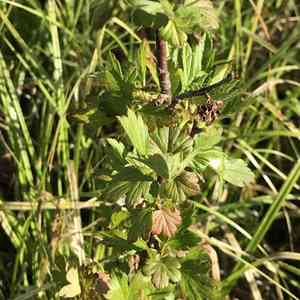
This plant can be identified by its spiny branches, simple leaves with lobed margins, and small greenish-white to pink flowers. The berries are typically round, green, and can turn reddish or purplish when ripe.
Scientific Classification of Hairy-stem gooseberry
Phylum
Vascular plants
Class
Dicotyledons
Order
Saxifragales
Family
Currant
Genus
Currants
Species
Hairy-stem gooseberry
Planting and Growing of Hairy-stem gooseberry
Care Difficulty
Easy
Watering Schedule
Every 4 days
Sunlight Requirements
Partial sun
Sunshine Duration
4-6 hours
Ideal Temperature
60-75℉
Soil Type
Potting Mix, Peat Mix
Soil pH
6.5-7.5
Fertilizer Type
Balanced
Pruning Season
Spring, Summer
Pruning Area
Branches, Leaves
Pruning Frequency
2 times a year
Repotting Season
Spring
Pot Type
Plastic, Ceramic
 How to Water Hairy-stem gooseberry?
For Ribes hirtellum, it is crucial to keep the soil moist but not waterlogged. Aim to provide approximately 500 milliliters of water per session. This amount keeps the roots adequately hydrated, especially during warmer months. The soil should feel damp to the touch, but if you press it lightly, no excess water should come out.
What are the symptoms of an underwatered Hairy-stem gooseberry?
›
What should I do if my Hairy-stem gooseberry is not getting enough water?
›
What are the symptoms of an overwatered Hairy-stem gooseberry?
›
How to save an overwatered Hairy-stem gooseberry?
›
 What Are the Sunlight Requirements for Hairy-stem gooseberry?
Ribes hirtellum prefers partial sun, meaning morning sunlight coupled with some afternoon shade fosters optimal growth. This balance aids in maintaining plant vitality, prevents heat stress, and enhances fruit yield.
More About Sunlight Requirements Techniques→
Optimal Sun Hours Inquiry
›
Solution for Ideal Light
›
Benefits of Ideal Lighting
›
 What Is the Ideal Temperature Range for Hairy-stem gooseberry?
The ideal temperature range for cultivating Ribes hirtellum is between 60°F and 75°F. These conditions provide a warm yet mild environment that encourages healthy growth, facilitates nutrient uptake, and supports optimal metabolic functions essential for plant vitality.
 What Soil is Best for Hairy-stem gooseberry?
Ribes hirtellum thrives in well-drained soil, which helps prevent waterlogging and root rot. Ensuring adequate drainage promotes healthy root development and reduces the risk of fungal diseases, allowing the plant to flourish. This plant benefits from a nutrient-rich soil composition, as it supports robust growth and fruit production. Amending the soil with organic matter, such as compost, can provide the necessary nutrients and improve soil structure. Soil should retain moderate moisture to keep the plant hydrated without becoming overly saturated. This balance prevents stress on the plant during dry spells and ensures it receives the moisture needed for optimal growth.
 How to Fertilize Hairy-stem gooseberry?
For Ribes hirtellum, apply about one tablespoon of granulated slow-release fertilizer per square foot of soil for optimal growth. Liquid fertilizers should be diluted to half strength to avoid nutrient burns, especially during the growing season.
 How to Prune Hairy-stem gooseberry?
Before you begin pruning Ribes hirtellum, carefully inspect the shrub to identify any dead or diseased wood. These should be removed first to prevent the spread of disease and to promote new, healthy growth. Dead wood can be identified by its dry, brittle appearance. To ensure your shrub remains manageable and aesthetically pleasing, aim to maintain an open-center shape during pruning. This involves removing any inward-growing branches to improve light penetration and air circulation. Trim back the longest branches to maintain a compact size. Excessive branching can hinder the growth of Ribes hirtellum. Thin out any overcrowded areas by removing the oldest branches at their base. This encourages the development of new shoots and improves the overall vitality of the plant.
More About Pruning Techniques→
 How to Propagate Hairy-stem gooseberry plant?
1
Select healthy, disease-free stems from the parent plant. Cut the stem diagonally just below a node, ensuring the cutting is around 10-15 cm long. Remove any leaves from the lower half of the cutting to reduce water loss.
2
Fill the seed trays with well-draining soil mix. Sow seeds evenly and cover lightly with soil. Gently water the soil to ensure it is moist but not waterlogged. Position trays in a warm, bright location to stimulate germination.
3
Dip the cut base of each cutting in rooting hormone to enhance root development. Plant the cuttings into pots filled with a mixture of sand and peat, ensuring they are upright and stable. Water gently and keep in a humid environment.
 How to Repot Hairy-stem gooseberry plant?
1
Look out for signs like slowed growth, roots poking through the drainage holes, or if the soil dries out quickly. These indicators mean your Ribes hirtellum is ready for repotting. Spring or Autumn is ideal because the plant is not in high growth or dormancy.
2
Select a pot that is one size larger than the current one, with good drainage holes. Ceramic or clay pots are preferred over plastic ones as they provide better ventilation to the roots, which helps in maintaining the right moisture levels.
3
Opt for a loamy, well-draining soil mix to prevent waterlogging. This soil type offers optimal nutrient availability while maintaining moisture without excessive retention. Ensuring good drainage is crucial to avoid root rot, a common issue with improper soil.



