How to Prune Rhynchospora nervosa?
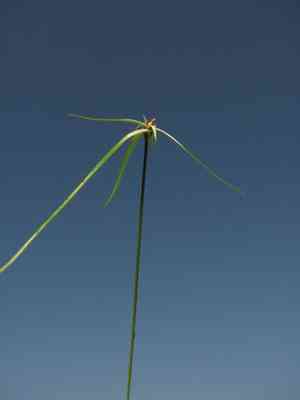
Characterized by its intricate form, rhynchospora nervosa thrives with trimming performed in late winter or early spring, prior to the emergence of new shoots. Eliminate any deceased or compromised stalks to foster robust expansion and enhance airflow. Shear carefully to preserve its inherent shape, making certain that instruments are disinfected to avert illness. Trimming boosts rhynchospora nervosa's general vitality, promoting a sturdy look and peak development.
Advantages of Trimming Rhynchospora Nervosa
Advantages of Trimming Rhynchospora Nervosa
Rhynchospora nervosa benefits from trimming by encouraging robust development and maintaining its form. Regular cutting helps manage its size, prevents congestion, and improves air circulation, thereby lowering the risk of diseases and pests. Trimming also enhances its overall look.
Optimal Period for Pruning Rhynchospora Nervosa
Optimal Period for Pruning Rhynchospora Nervosa
Pruning rhynchospora nervosa in late winter and early spring is ideal as it precedes the plant's active growth phase. This timing allows rhynchospora nervosa to recover from pruning cuts before new growth starts, reducing disease risk and promoting vigorous new development. Additionally, pruning before the growing season ensures the plant doesn't waste energy on parts that will be removed, thus boosting its overall health and improving flowering or fruiting efficiency.
Tools Required for Pruning Rhynchospora Nervosa
Hand Pruners
Perfect for precise cuts on stems and foliage. Essential for preserving the shape and vitality of rhynchospora nervosa.
Long-Handled Loppers
Useful for reaching and severing thicker stems without harming the plant. Necessary for managing larger clusters of rhynchospora nervosa.
Pruning Shears
Effective for cleanly cutting multiple stems simultaneously, aiding in shaping and controlling the growth of rhynchospora nervosa.
Sharp Knife
Beneficial for delicate trimming and removing any dead or damaged sections without impeding growth. Important for fine-tuning and detailed work on rhynchospora nervosa.
Gloves
Protect hands from sharp edges and potential allergens. Essential for personal safety when handling rhynchospora nervosa.
How to Prune Rhynchospora Nervosa
Preparation
Before beginning, gather necessary tools - sharp pruning shears and disinfectant. Ensure tools are clean to prevent disease transmission.
Inspection
Carefully examine rhynchospora nervosa for any diseased or withered leaves. These are typically discolored, limp, or show signs of pest damage.
Prune Diseased Leaves
Using the pruning shears, cut off the diseased leaves at their base where they connect to the main stem. Ensure clean cuts to minimize plant stress.
Prune Withered Leaves
Remove withered leaves by cutting them off near their attachment point to the stem. Make sure cuts are smooth to avoid tearing.
Clean Up
Properly dispose of all pruned material to prevent potential spread of disease or pests. Clean and disinfect pruning tools after use.
Common Pruning Errors with Rhynchospora Nervosa
Excessive Pruning
Cutting back too much of rhynchospora nervosa can stress the plant, leading to weaker growth and potentially reducing its ability to flower.
Incorrect cutting technique
Using dull or dirty tools can damage stems and introduce disease. Always ensure tools are sharp and clean.
Timing errors
Pruning at the wrong time can impact the plant's growth cycle, although the exact season isn't discussed here, avoid pruning during extreme weather conditions.
Neglecting dead or damaged parts
Failing to remove dead or damaged parts can hinder the plantâs health and spread disease.
Improper shaping
Not considering the natural growth pattern of rhynchospora nervosa can lead to an unattractive and unhealthy plant structure.
General Pruning Advice for Rhynchospora Nervosa
Use sharp and clean tools
Always prune with sharp and sanitized tools to make clean cuts and prevent disease.
Prune lightly
Only remove whatâs necessary. Focus on dead, damaged, or diseased parts to promote healthy growth without stressing rhynchospora nervosa.
Follow natural growth patterns
Pay attention to how rhynchospora nervosa naturally grows and prune accordingly to maintain its natural form.
Make clean cuts
Cut at a slight angle just above a healthy bud or branch to encourage proper healing and growth.
Monitor plant health
Regularly check rhynchospora nervosa for any signs of disease or damage, and prune immediately to prevent spread.



