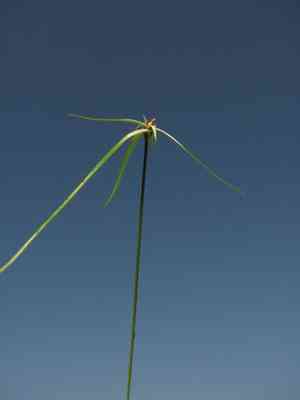
Rhynchospora nervosa (Rhynchospora nervosa)
Also known as: Nervose Beaksedge
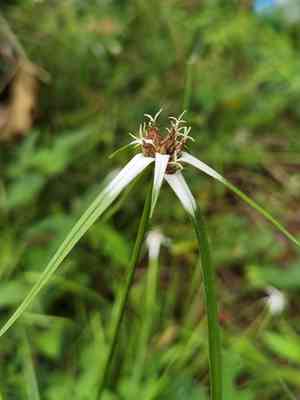
Rhynchospora nervosa, a sedge with fine, grass-like leaves and thin stems topped with small clusters of spikelets, prospers in wetland habitats. These environments include marshes, swamps, and wet meadows where the soil remains moist or waterlogged. Its fibrous roots are well-suited to aquatic conditions, helping to anchor the soil and contribute to ecosystem stability. The plant displays white or greenish-brown flowers, adding a delicate touch to its watery surroundings.
In This Article
Attributes of Rhynchospora nervosa
Lifespan
Perennial
Plant Height
1 to 2 feet
Spread
N/A
Leaf Color
Green
Flower Size
Small, less than 1cm
Flower Color
Brown to chestnut
Images of Rhynchospora nervosa
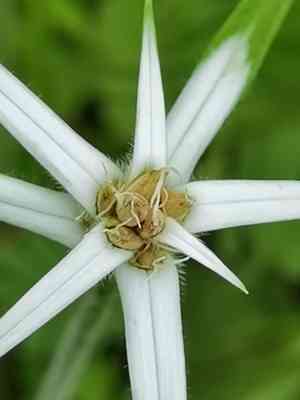
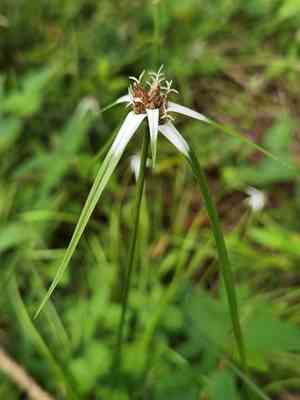
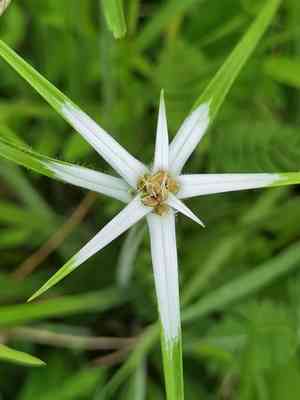
Quickly Identify Rhynchospora nervosa
1
Identifying Rhynchospora nervosa involves looking for its slender, grass-like leaves and the small, spikelet clusters typically found at the ends of the stems. The leaves are narrow and can grow quite tall, up to several feet in height.
Scientific Classification of Rhynchospora nervosa
Phylum
Vascular plants
Class
Monocotyledons
Order
Poales
Family
Sedge
Genus
Beak-rushes
Species
Rhynchospora nervosa
Planting and Growing of Rhynchospora nervosa
Care Difficulty
Moderate
Watering Schedule
Every 4 days
Sunlight Requirements
Partial sun
Sunshine Duration
4-8 hours
Ideal Temperature
65-75℉
Soil Type
Potting Mix, Peat Mix
Soil pH
5.5-7.5
Fertilizer Type
Balanced
Pruning Season
Spring, Summer
Pruning Area
Branches, Leaves
Pruning Frequency
2 times a year
Repotting Season
Spring
Pot Type
Plastic, Ceramic
 How to Water Rhynchospora nervosa?
For Rhynchospora nervosa, ensure the soil is moderately moist, akin to a well-wrung sponge. Around 200 ml per session should suffice, adjusting as necessary based on soil dryness and environmental conditions.
What are the symptoms of an underwatered Rhynchospora nervosa?
›
What should I do if my Rhynchospora nervosa is not getting enough water?
›
What are the symptoms of an overwatered Rhynchospora nervosa?
›
How to save an overwatered Rhynchospora nervosa?
›
 What Are the Sunlight Requirements for Rhynchospora nervosa?
Partial sun exposure is ideal, encouraging balanced growth and vibrant foliage without risk of burning. It adapts well to low-light gardens, maintaining plant vitality and a lush presence.
What type of sunlight does it prefer?
›
How to provide optimal lighting?
›
What are the benefits of ideal lighting?
›
 What Is the Ideal Temperature Range for Rhynchospora nervosa?
The ideal temperature range for cultivating Rhynchospora nervosa is between 65°F and 75°F. This range ensures optimal growth and development by providing the plant with favorable conditions for photosynthesis and nutrient uptake.
 What Soil is Best for Rhynchospora nervosa?
Rhynchospora nervosa thrives in well-draining soil, which prevents waterlogging that can lead to root rot. Choosing this type of soil ensures healthy root development and enhances the plant's nutrient uptake capabilities. This plant prefers soil with moderate organic content, which provides enough nutrients for growth without overwhelming it. This balance in soil nutrients supports steady and robust plant health. While needing good drainage, the soil should also retain moisture adequately to keep the plant hydrated, especially in dry conditions. Choosing soil that balances drainage with moisture retention ensures the plant remains lush and vibrant.
 How to Fertilize Rhynchospora nervosa?
Rhynchospora nervosa, or beaked sedge, thrives with a moderate amount of fertilizer. Use a balanced fertilizer at half strength to avoid overfeeding. For liquid fertilizer, dilute it to a quarter of the recommended strength and apply evenly to the soil.
 How to Prune Rhynchospora nervosa?
Begin by identifying dead or yellowing leaves as well as any stems that appear to be diseased or broken. Remove these first to prevent any potential spread of disease. Make your cuts at a 45-degree angle, just above a node or joint. This cutting technique helps the plant direct its energy efficiently into producing new growth. Trim the foliage carefully and symmetrically, ensuring not to remove more than one-third of the plant's foliage at once. Over-pruning can stress the plant, leading to underperformance or potential dieback.
More About Pruning Techniques→
 How to Propagate Rhynchospora nervosa plant?
1
Begin by filling seed trays with a well-draining potting mix. Sow seeds thinly on the surface and lightly cover them with soil. Keep the trays in a warm area and water regularly, ensuring the soil remains moist but not waterlogged.
2
For division propagation, carefully dig up the parent plant. Use a spade or sharp knife to divide the root clump into smaller sections, ensuring each section has healthy roots. Replant immediately in well-prepared soil.
3
Once seedlings are large enough to handle, or after division, transplant them to their final location. Ensure that the site provides the necessary sunlight and soil conditions suitable for Rhynchospora nervosa.
 How to Repot Rhynchospora nervosa plant?
1
Rhynchospora nervosa requires repotting when roots start to overflow from the drainage holes, or when growth appears stunted despite optimal conditions. An increase in watering frequency without visible soil drying indicates root-bound conditions, which means it's time to repot.
2
Select a pot that is 2 inches wider in diameter than the current one. Opt for pots with adequate drainage holes to prevent waterlogging. A slightly larger pot allows the roots to spread comfortably, conserves nutrients, and promotes healthy growth.
3
Choose a well-draining sandy mix consisting of peat, perlite, and a bit of loam. This soil blend mimics the plant's natural wetland environment, providing adequate moisture retention while preventing root rot due to excess water.



