How to Propagate Rhynchospora nervosa?
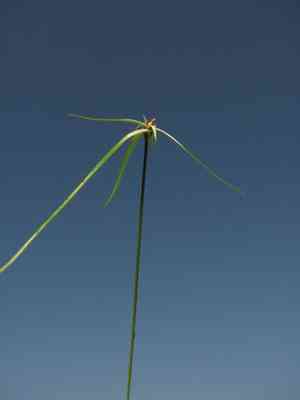
Rhynchospora nervosa, a member of the Cyperaceae family, commonly thrives in damp, boggy habitats. For propagation, scatter seeds directly onto moist substrate without burial, since illumination aids sprouting. Preserve steady dampness via misting, preventing saturation. Little intervention is necessary as rhynchospora nervosa readily adjusts to its surroundings. Consistent observation guarantees flourishing development and rooting.
When Is the Optimal Time to Propagate Rhynchospora Nervosa?
Propagation Type
Sowing
Propagation Season
Spring
What Equipment Is Used in Rhynchospora Nervosa Propagation?
Seed Tray
An essential item for planting rhynchospora nervosa seeds, a seed tray offers a controlled setting for germination and ensures uniform growth. It helps maintain steady moisture levels and allows for easy observation.
Seed Starting Mix
A seed starting mix is vital for successful germination. It provides a light, well-draining medium that holds moisture without becoming waterlogged. This mix supports the delicate roots of rhynchospora nervosa as they grow.
Heat Mat
Employing a heat mat helps provide the steady warmth necessary for rhynchospora nervosa seeds to germinate effectively. It ensures the soil temperature remains ideal, especially when sowing indoors or in cooler climates.
Humid Dome
A humid dome is placed over the seed tray to maintain high humidity levels, which are crucial for the germination of rhynchospora nervosa seeds. This tool prevents drying out and helps create a greenhouse effect.
Watering Can with Fine Rose
A watering can with a fine rose is used to gently water rhynchospora nervosa seeds and seedlings without disturbing the soil or washing them away. It ensures even water distribution, vital for proper moisture levels.
Labels and Marker
Labels and a permanent marker assist in tracking different seed varieties and their planting dates. Proper labeling is important for managing the propagation process and ensuring accurate identification.
Tweezers
Tweezers can be used for handling small rhynchospora nervosa seeds with care. This helps in placing the seeds precisely in the seed tray without causing damage.
Spray Bottle
A spray bottle is useful for misting the soil surface to keep it moist without overwatering. This is particularly beneficial during the early germination stages for rhynchospora nervosa seeds.
Lighting System
Supplemental lighting, such as grow lights, ensures that rhynchospora nervosa seedlings receive adequate light, especially if natural sunlight is insufficient. Proper lighting supports healthy growth and development.
Seed Sieve
A seed sieve helps separate rhynchospora nervosa seeds from any debris or soil, ensuring that only healthy seeds are sown. This tool is beneficial for achieving better germination rates.
How to Propagate Rhynchospora Nervosa?
Propagation Type
Easy
How to Care for Your Newly Propagated Rhynchospora Nervosa?
How to Care for Your Newly Propagated Rhynchospora Nervosa?
After germination, gradually expose seedlings to more direct sunlight. Thin out weaker seedlings to prevent overcrowding and ensure optimal growth. Keep the soil consistently moist but not waterlogged. Once strong enough, transplant seedlings to larger pots or directly into the garden. Monitor for pests or diseases and address them promptly.
Common Mistakes to Avoid When Propagating Rhynchospora Nervosa
Incorrect Soil Moisture
Too much or too little water can lead to root rot or desiccation, respectively, hindering root development and overall plant health.
Improper Light Conditions
Insufficient light can cause leggy growth, while excessive light can lead to leaf scorch.
Neglecting Soil Requirements
Using unsuitable soil can impair nutrient uptake and root health, resulting in stunted growth.
Ignoring Spacing Needs
Planting too closely together can lead to competition for resources, increasing susceptibility to pests and diseases.
Tips For Propagating Rhynchospora Nervosa
Maintain Consistent Moisture
Keep the soil uniformly moist but not waterlogged to ensure healthy root development and prevent root rot.
Provide Adequate Light
Place rhynchospora nervosa in a location where it receives bright, indirect light to mimic its natural habitat and ensure robust growth.
Use Suitable Soil Mix
Opt for a well-draining soil mix that retains some moisture but allows excess water to drain away, promoting healthy root systems.
Proper Spacing
Ensure adequate space between plants to allow for air circulation and reduce competition for light and nutrients, thus minimizing the risk of disease.



