How to Prune Millet beaksedge?
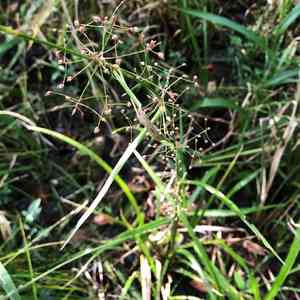
Millet beaksedge is a unique grass-like species recognized for its attractive clumped form and capacity to flourish in moist environments. To achieve peak development, trim millet beaksedge in the initial part of spring or during winter. Eliminate any deceased or compromised stalks to foster more robust growth and sculpt the plant. Refrain from excessive cutting, as this could cause distress to the plant. Trimming aids in preserving its visual charm and can enhance air movement, thereby deterring illness. Utilize sanitized, keen implements for superior outcomes.
What Are the Benefits of Pruning Millet Beaksedge?
What Are the Benefits of Pruning Millet Beaksedge?
Trimming millet beaksedge promotes vigorous development by stimulating new growth and maintaining its form. Eliminating dead or overgrown sections enhances overall health and appearance, and boosts resistance to pests and diseases, leading to a strong and visually appealing plant.
What Is the Best Time for Pruning Millet Beaksedge?
What Is the Best Time for Pruning Millet Beaksedge?
Pruning or trimming millet beaksedge is best performed in early spring or winter. During these periods, the plant is typically dormant. Pruning at this time helps minimize stress on the plant, as it is not actively growing. This timeframe allows for better shape maintenance and ensures that any dead or diseased wood can be removed efficiently without disrupting the plantâs natural growth cycle. Additionally, pruning before the spring growth phase encourages healthy new growth and can enhance flowering and fruiting.
What Tools Do I Need to Prune Millet Beaksedge?
Bypass Pruners
Bypass pruners are perfect for cutting through the soft stems of millet beaksedge without crushing the plant tissues.
Long-handled Pruning Shears
Long-handled pruning shears offer extended reach and leverage for trimming millet beaksedge in densely grown or hard-to-access areas.
Hand Scythes
Hand scythes enable efficient trimming of larger patches of millet beaksedge, especially when dealing with extensive growth.
Gloves
Gloves protect your hands from any potential irritation when handling millet beaksedge.
Sterilizing Solution
A sterilizing solution ensures tools are clean and helps prevent the spread of disease among plants.
How to Prune Millet Beaksedge
Assessment
Examine millet beaksedge for any diseased or withered foliage. This initial check helps pinpoint the specific areas requiring pruning.
Tool prep
Prepare sharp, clean pruning shears to prevent disease transmission. Properly sanitized tools are vital for maintaining plant health.
Remove diseased
Carefully snip off any diseased leaves, cutting back to healthy tissue. Ensure you dispose of the diseased material away from the garden to prevent contamination.
Remove withered
Cut away withered leaves close to the base, but avoid harming the healthy parts of millet beaksedge. This not only improves appearance but also prevents potential pest issues.
Clean up
Collect and discard all removed leaves and any fallen debris around millet beaksedge. Keeping the area tidy reduces the risk of further disease and promotes better air circulation.
Common Pruning Mistakes with Millet Beaksedge
Over-pruning
Removing too much of the plant at once can stress millet beaksedge, leading to reduced growth and vigor.
Incorrect technique
Using dull or dirty tools can result in jagged cuts that are susceptible to disease and slow to heal.
Poor timing
Pruning at the wrong time of year can disrupt millet beaksedge's natural growth cycle, diminishing flowering and overall health.
Random cuts
Making indiscriminate or haphazard cuts can damage important structural branches and disfigure the plant's natural shape.
Common Pruning Tips for Millet Beaksedge
Use clean, sharp tools
Ensure your pruning shears are clean and sharp to make precise cuts and minimize the risk of disease.
Remove dead or damaged stems
Focus on eliminating any dead or damaged stems to encourage healthy growth and improve air circulation within millet beaksedge.
Prune selectively
Make selective cuts to thin out overcrowded stems, which will help light penetrate and air flow through the plant.
Maintain natural shape
Prune in a way that preserves millet beaksedge's natural form, avoiding drastic cuts that can lead to uneven growth and poor aesthetics.
Promote balanced growth
Aim to create a balanced structure by evenly distributing your cuts throughout the plant, encouraging steady and symmetrical growth.



