How to Propagate Millet beaksedge?
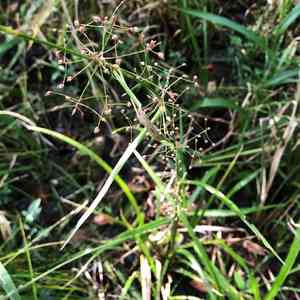
For optimal outcomes, millet beaksedge ought to be multiplied through the process of division. Gently detach the root masses, making certain that every segment possesses viable sprouts and root structures. Position each divided portion at an identical depth to the parent plant, ensuring the growing medium stays damp yet adequately drained. Apply a thin layer of mulch to preserve the soil's moisture content. This technique fosters swift establishment and robust development.
Optimal Time for Millet Beaksedge Propagation
Propagation Method
Division
Propagation Period
Spring,Autumn
Tools Required for Millet Beaksedge Propagation
Sharp Spade
An acute spade is crucial for efficiently separating millet beaksedge clumps. It enables precise cuts through the root system, minimizing harm and lessening transplant shock. This benefits the plant's health and vitality during the division process.
Hand Pruners
Hand pruners serve to trim away damaged or surplus foliage from millet beaksedge post-division. Removing compromised parts fosters healthier root and shoot development, ensuring the plant establishes itself faster in its new spot.
Root Saw
A root saw might be necessary for handling more mature or larger millet beaksedge clumps with thick, woody roots. This instrument guarantees clean and accurate cuts, vital for the successful propagation of healthier sections.
Trowel
A trowel proves useful for planting divided millet beaksedge sections into their new growing sites. It ensures the planting hole is of the correct size and depth, aiding proper root establishment and growth.
Compost or Soil Enhancer
Incorporating compost or a soil enhancer during planting helps improve soil structure and nutrient content for millet beaksedge. This is critical for robust root development and overall plant vigor after division.
Watering Can with Fine Rose
A watering can equipped with a fine rose provides gentle irrigation, essential for newly divided millet beaksedge. This technique prevents soil displacement and helps settle the soil around the roots, ensuring sufficient moisture without harming delicate plant sections.
Labeling Stakes
Labeling stakes are important for tracking different millet beaksedge sections following division. Proper labeling assists in managing and monitoring the growth and health of each propagated section, ensuring effective garden oversight.
Propagating Millet Beaksedge
Propagation Difficulty
Easy
Post-Propagation Care for Millet Beaksedge
Post-Propagation Care for Millet Beaksedge
After propagation, ensure millet beaksedge receives adequate water, especially during its initial establishment. Maintain consistently moist soil, but avoid waterlogging. Watch for stress signs like wilting or yellowing leaves, adjusting care as needed. Regularly inspect for pests and diseases. Apply a balanced fertilizer during the growing season to support vigorous growth. Prune dead or damaged foliage to encourage robust development.
Common Errors to Avoid When Propagating Millet Beaksedge
Overwatering
Excessive moisture can lead to root rot and other fungal diseases, hindering the plant's growth and overall health.
Using Non-Acidic Soil
Incorrect soil pH can impede nutrient absorption, resulting in poor plant development and failed propagation.
Inadequate Light
Providing insufficient light can stunt growth and weaken the plant, making it less likely to successfully propagate.
Crowded Conditions
Planting too many seeds or cuttings close together can lead to competition for resources, reducing the chances of successful propagation.
Millet Beaksedge Propagation Tips
Well-Drained Soil
Ensure the soil drains well to prevent waterlogging, which could cause root rot.
Acidic Soil
Utilize soil with an acidic pH to meet the nutritional requirements of millet beaksedge.
Moderate Watering
Water moderately to keep the soil moist but not soggy, promoting healthy root development.
Ample Light
Place millet beaksedge in a location where it can receive plenty of indirect light to support vigorous growth.
Spacing
Space out seeds or cuttings adequately to reduce competition and allow each plant to thrive.



