How to Prune Little beaksedge?
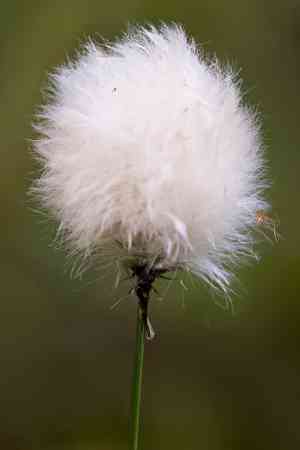
A perennial sedge that flourishes in damp environments, little beaksedge displays delicate stalks and clustered leaves. To ensure vigorous development and visual appeal, trim away any deceased or discolored foliage from the base. The most effective time for this trimming is in early spring or during its dormant winter period, which encourages fresh, healthy shoots. This practice improves air movement, discourages infestations, and sustains the plant's health. Adapt these methods to the specific surroundings of the plant for superior outcomes. Always employ sharp, disinfected implements to lessen trauma and the potential for illness.
What Are the Benefits of Pruning Little Beaksedge?
What Are the Benefits of Pruning Little Beaksedge?
Trimming little beaksedge is advantageous as it promotes more robust development and helps maintain its desired form. This practice prevents excessive growth, ensuring little beaksedge stays healthy and visually appealing in its setting.
What Is the Best Time for Pruning Little Beaksedge?
What Is the Best Time for Pruning Little Beaksedge?
Pruning little beaksedge in early spring or late winter is optimal because it aligns with the end of its dormant phase and just before its active growth period begins. This timing allows the plant to recover swiftly, channeling its energy into new growth, which can boost the overall health and vigor of little beaksedge. Trimming during these seasons also lowers the risk of disease entry and stress on little beaksedge, as cooler temperatures typically result in less pest and disease activity. Furthermore, since little beaksedge is not actively growing then, removing vegetation will not interfere with its flowering or fruiting cycles, which usually occur in warmer months.
What Tools Do I Need to Prune Little Beaksedge?
Sharp Hand Pruners
For accurate cuts and trimming of little beaksedge, hand pruners provide control and are perfect for removing dead or overgrown stems.
Grass Clippers
When shaping or cutting back the delicate foliage of little beaksedge, grass clippers allow for precise snips without harming nearby plants.
Shears
For larger clusters or when cutting little beaksedge back extensively, shears can trim multiple stems efficiently.
Gloves
Protective gloves reduce the chance of injury and offer a better grip on tools while working on little beaksedge.
How to Prune Little Beaksedge
Clean Tools
Before pruning little beaksedge, sanitize your pruning shears or scissors with alcohol or a bleach solution to prevent disease spread.
Inspect
Examine little beaksedge closely, identifying diseased or withered leaves to determine which parts need trimming.
Prune Diseased
Carefully remove any diseased leaves from little beaksedge by cutting them at the base of the leaf stem, ensuring not to harm adjacent healthy tissues.
Prune Withered
Trim off withered leaves from little beaksedge similarly, using clean cuts to prevent tearing that could damage the plant.
Dispose
Properly discard the removed diseased and withered leaves to prevent the spread of pathogens to other plants or garden areas.
Common Pruning Mistakes with Little Beaksedge
Over Pruning
Removing too much foliage from little beaksedge can cause stress and stunted growth, as it may be unable to photosynthesize effectively.
Improper Technique
Using dull or dirty pruning tools can damage little beaksedge's stems, creating jagged cuts more prone to disease.
Pruning Into Crown
Cutting into the dense crown of little beaksedge can create entry points for pests and diseases, potentially harming the plant.
Ignoring Dead Material
Failing to remove dead or dying foliage can impede new growth and can be visually unappealing.
Common Pruning Tips for Little Beaksedge
Use Sharp Tools
Employ clean, sharp pruning shears to make precise cuts on little beaksedge, which can minimize damage and promote quicker healing.
Prune For Shape
Trim little beaksedge to maintain its natural shape, focusing on cutting back overgrown areas without altering the plant's inherent form.
Cut Above Nodes
Make cuts just above nodes or branching points to encourage little beaksedge to grow more densely and to potentially produce more flowers.
Deadheading
Regularly remove spent flowers to encourage little beaksedge to produce new blooms and to maintain an attractive appearance.



