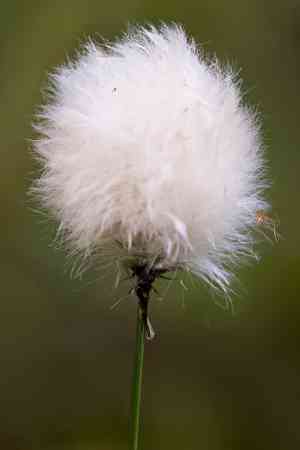
Little beaksedge (Rhynchospora berteroi)
Also known as: Beaked panicum, Caribbean beaksedge
**Little beaksedge (Rhynchospora berteroi)** is a sedge species indigenous to Puerto Rico and the Virgin Islands. The plant gets its name from its bird beak-shaped fruit. Preferring boggy and peaty grassland habitats, this sedge is frequently utilized as a marker for assessing ecosystem health.
In This Article
Attributes of Little beaksedge
Lifespan
Perennial
Plant Type
Grass
Plant Height
20 cm to 30 cm
Spread
N/A
Leaf Color
Green
Flower Size
Small, generally less than 1 cm
Flower Color
Yellow Green Brown
Images of Little beaksedge
Quickly Identify Little beaksedge
1
The plant can be identified by its triangular stems, narrow grassy leaves, and distinctive beaked, achene-type fruits that are dark brown to black. The inflorescences are spikelets that cluster together.
Scientific Classification of Little beaksedge
Phylum
Vascular plants
Class
Monocotyledons
Order
Poales
Family
Sedge
Genus
Beak-rushes
Species
Little beaksedge
Planting and Growing of Little beaksedge
Care Difficulty
Moderate
Watering Schedule
Every 3 days
Sunlight Requirements
Full sun
Sunshine Duration
6-12 hours
Ideal Temperature
65-75℉
Soil Type
Potting Mix, Peat Mix
Soil pH
6.5-7.5
Fertilizer Type
Balanced
Pruning Season
Spring, Summer
Pruning Area
Branches, Leaves
Pruning Frequency
2 times a year
Repotting Season
Spring
Pot Type
Plastic, Terracotta
 How to Water Little beaksedge?
When watering Rhynchospora berteroi, aim to soak the soil thoroughly. This plant doesn't like to sit in waterlogged soil, so ensure proper drainage while ensuring the soil is moist enough, mimicking its natural, swampy habitat.
What are the symptoms of an underwatered Little beaksedge?
›
What should I do if my Little beaksedge is not getting enough water?
›
What are the symptoms of an overwatered Little beaksedge?
›
How to save an overwatered Little beaksedge?
›
 What Are the Sunlight Requirements for Little beaksedge?
Rhynchospora berteroi fares well with full to partial sun. Ideal light encourages lush growth and vibrant foliage, as sunlight is a key factor in energy production through photosynthesis.
More About Sunlight Requirements Techniques→
Best Time for Sun Exposure
›
Increasing Light Exposure Safely
›
Setting Up Ideal Lighting Indoors
›
 What Is the Ideal Temperature Range for Little beaksedge?
The ideal temperature range for Rhynchospora berteroi is between 65°F and 75°F. This range ensures optimal growth and health by maintaining consistent metabolic rates. Stability in this range encourages active photosynthesis and nutrient absorption.
 What Soil is Best for Little beaksedge?
Rhynchospora berteroi thrives in loam soil which retains moisture well. This soil ensures that the roots have consistent access to water, helping the plant grow vigorously and sustain its delicate foliage. Nutrient-rich soil is essential for Rhynchospora berteroi, providing minerals and organic matter necessary for robust growth. A fertile soil composition supports strong plant development and enhances flowering potential. While this plant enjoys moisture, it requires well-draining properties to prevent root rot. Adequate drainage in soil ensures that excess water is quickly removed, maintaining a healthy root environment.
 How to Fertilize Little beaksedge?
Use a balanced liquid fertilizer at a dilution rate of 1/2 teaspoon per gallon. Apply the solution evenly around the base of Rhynchospora berteroi after watering to ensure proper nutrient uptake without overwhelming the plant.
 How to Prune Little beaksedge?
Start by identifying dead, diseased, or damaged stems and remove them using clean, sharp scissors or pruners. Trim overgrown stems to maintain the plant’s shape and encourage even growth. Cut just above a leaf node to facilitate new growth. While pruning, be cautious not to remove more than one-third of the plant’s foliage at any given time.
More About Pruning Techniques→
 How to Propagate Little beaksedge plant?
1
Collect seeds from mature Rhynchospora berteroi plants in the late autumn before they disperse naturally. Ensure the seeds are fully ripe for optimal germination success.
2
Sow the seeds evenly in a seed tray filled with propagation mix. Lightly cover the seeds with a thin layer of soil, as they require light for germination.
3
Maintain consistent moisture in the seed tray by watering gently. Use a spray bottle to avoid displacing the seeds or causing waterlogging.
 How to Repot Little beaksedge plant?
1
Rhynchospora berteroi should be repotted when you notice the roots are circling the bottom of the pot or growing out of the drainage holes. Another signal is a reduced rate of growth even in optimal conditions. Spring or early summer is the best time as the plant is in its active growth period.
2
Select a pot that is just one size larger than the current pot to prevent root rot from excessive soil moisture. The new pot should have ample drainage holes to allow excess water to escape, promoting healthy root growth and preventing waterlogged soil, which can harm the plant.
3
Use a soil mix that retains moisture yet drains well, like a combination of peat, sand, and bark. This mix resembles the plant's natural habitat, ensuring that its roots remain aerated and do not sit in water, which could lead to root rot.
Toxicity
Ingestion
WARNING
The judgment on toxicity and danger is for reference only. We DO NOT GUARANTEE any accuracy of such judgment. Therefore, you SHALL NOT rely on such judgment. It is IMPORTANT TO SEEK PROFESSIONAL ADVICE in advance when necessary.
Learn More About Little beaksedge Diseases
Anthracnose
Bacterial Leaf Spot
Bacterial Soft Rot
Bacterial Wilt
Chemical Injury
Cyst Nematode
Damping-off
Downy Mildew
Drought Stress
Fusarium Wilt
Gray Mold
Leaf Spot
Mosaic
Nutrient Deficiency
Nutrient Toxicity
Powdery Mildew
Root Rot
Root-knot Nematode
Rusts
Sooty Mold
Spider Mites
Temperature Stress
Thrips Damage
White Mold



