How to Propagate Little beaksedge?
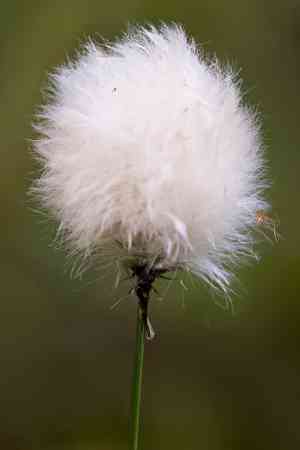
Little beaksedge can be successfully multiplied by means of division. This procedure entails splitting the plant's clusters or underground stems into smaller portions, each possessing roots and foliage. When performing division, gentle handling is essential to reduce harm to the fragile root structure. Immediately replant the sections into properly prepared earth, guaranteeing sufficient hydration and cover to aid in their recuperation and development.
Optimal Time for Little Beaksedge Propagation
Propagation Method
Division
Propagation Period
Spring,Autumn
Tools for Little Beaksedge Propagation
Garden Spade
A robust garden spade is essential for effectively separating little beaksedge clumps. Its sharp edge is perfect for cutting through soil and roots without causing excessive harm, promoting healthy regrowth. Furthermore, the leverage from a long-handled spade simplifies the separation process, reducing physical strain on both the propagator and the plant.
Root Pruning Shears
Root pruning shears are vital for precisely trimming little beaksedge roots during division. This tool ensures clean cuts, aids in maintaining root health, and encourages faster recovery and establishment after transplanting. The sharp, clean blades are specifically designed to prevent fraying or splintering of delicate root fibers.
Watering Can with Fine Rose
After dividing little beaksedge, a gentle reintroduction of water is necessary to help the divisions establish in new environments. A watering can with a fine rose attachment ensures a soft, even flow of water that does not disturb the freshly planted divisions or erode the surrounding soil.
How to Propagate Little Beaksedge?
Propagation Type
Easy
Caring for Your Newly Propagated Little Beaksedge
Caring for Your Newly Propagated Little Beaksedge
Post-propagation, continue to provide little beaksedge with moist conditions and partial shade, mirroring its natural environment. Regularly check soil moisture, especially in dry periods, and water as needed to maintain consistent hydration. Little beaksedge typically thrives in low-nutrient settings, so avoid strong fertilizers that could harm the plant. Monitor for common sedge pests and diseases, addressing any issues promptly to ensure plant health.
Common Mistakes to Avoid When Propagating Little Beaksedge
Overwatering
Excessive watering can lead to root rot in little beaksedge, which is detrimental as this plant species requires well-drained soil to thrive. Too much moisture limits oxygen availability to the roots, causing them to decay and hindering growth and propagation.
Deep planting
Planting little beaksedge too deeply can bury the delicate rhizomes or seeds necessary for its propagation, limiting their exposure to essential sunlight and air, thereby reducing germination rates and healthy growth.
Neglecting division timing
Dividing little beaksedge rhizomes at incorrect intervals or during transplant may result in poor establishment and growth. This can weaken the plant and decrease overall propagation success.
Tips For Propagating Little Beaksedge
Soil composition
Utilize a sandy soil mixture with good drainage for little beaksedge. This helps prevent waterlogging, ensuring roots receive adequate moisture without being submerged, fostering healthy root development.
Light exposure
Provide ample light but avoid direct, intense sunlight. Little beaksedge thrives under partial shade, which mimics its natural habitat, supporting optimal growth and successful propagation.
Gentle division
When propagating little beaksedge by division, ensure that the divisions contain healthy rhizomes and are handled gently to avoid damage. This encourages better root establishment in new environments, leading to more successful growth.



