How to Prune Caribbean snoutbean?
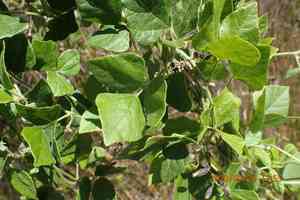
This blooming perennial climber, recognized for its vibrant yellow blossoms and characteristic three-part leaves, flourishes with consistent trimming. To achieve peak development, trim caribbean snoutbean in early spring or late winter prior to the emergence of new shoots. Concentrate on excising deceased or compromised branches and thinning congested sections to enhance air movement. Trimming stimulates denser growth and diminishes the likelihood of illness. Always employ sanitized, keen implements to prevent contagions. Routine pruning additionally boosts the plant's visual attractiveness and general well-being.
What Are the Benefits of Pruning Caribbean Snoutbean?
What Are the Benefits of Pruning Caribbean Snoutbean?
Trimming caribbean snoutbean promotes vigorous development by stimulating new growth and preserving its form. It also manages the plant's size, boosts blooming, improves air circulation, and lowers the chance of pests and diseases, ensuring overall plant vitality.
What Is the Best Time for Pruning Caribbean Snoutbean?
What Is the Best Time for Pruning Caribbean Snoutbean?
Pruning caribbean snoutbean during early spring and late winter is optimal as it aligns with the plant's dormant phase. This timing minimizes stress on the plant, allowing it to recover before the active growth season begins. Furthermore, it helps avoid interference during the flowering and fruiting periods, which typically occur later in the growing season. Pruning during these seasons also encourages healthy new growth and maintains the plant's overall structural integrity and vigor.
What Tools Do I Need to Prune Caribbean Snoutbean?
Bypass Pruners
These are perfect for making clean cuts on living, green stems, which is crucial for maintaining the health of caribbean snoutbean.
Handheld Pruning Shears
Excellent for precise cuts and trimming smaller branches and twigs, assisting in the detailed upkeep required for caribbean snoutbean.
Loppers
Useful for cutting thicker stems and branches, enabling gardeners to manage any excessive growth without harming the plant.
Pruning Saw
Essential for addressing any larger branches that may develop, ensuring clean cuts that prevent disease.
Gloves
Protect your hands from any potential irritants or thorns while trimming caribbean snoutbean.
How to Prune Caribbean Snoutbean
Inspection
Carefully examine caribbean snoutbean to identify diseased leaves with symptoms such as discoloration or spots, and withered leaves that are dry and brittle.
Tool Sterilization
Sanitize your pruning tools with a solution of one part bleach to ten parts water to prevent the spread of illness.
Remove Diseased Leaves
Gently cut off any diseased leaves at the base of the leaf stem to ensure the ailment does not spread further. Dispose of these leaves properly.
Remove Withered Leaves
Trim withered leaves by cutting them off at the base of the stem. This encourages new growth and helps maintain the plant's health.
Final Check
Perform a final inspection to ensure all diseased and withered leaves have been removed, and that the plant appears healthier and more vibrant.
Common Pruning Mistakes with Caribbean Snoutbean
Over-pruning
Removing too much of the plant at once can stress caribbean snoutbean, hindering its growth and ability to bloom properly.
Improper Cutting Technique
Using dull or dirty tools can cause jagged cuts, increasing the risk of infection and disease.
Pruning at the Wrong Time
Although timing specifics aren't covered here, pruning at an inappropriate time can lead to poor growth and reduced flowering.
Pruning Too Frequently
Frequent pruning can disrupt the natural growth cycle of caribbean snoutbean, potentially leading to stunted growth and fewer blossoms.
Common Pruning Tips for Caribbean Snoutbean
Use Clean, Sharp Tools
Always use clean, sharp pruning shears to make clean cuts, which help the plant heal faster and reduce the risk of disease.
Moderation is Key
Trim plants lightly and gradually to avoid shocking caribbean snoutbean. It helps in maintaining its health and encourages dense growth.
Remove Dead or Diseased Wood
Cut away any dead, damaged, or diseased stems, as they can drain energy from the plant and harbor pests.
Cut at an Angle
Make cuts at a slight angle to allow water to run off, preventing water accumulation that can lead to rot.
Leave Some Tenders
Avoid removing too many tender shoots as they are vital for the next round of growth and flowering.
Prune for Shape and Airflow
Focus on pruning to maintain a desirable shape and to enhance airflow through the plant, which helps prevent fungal infections.



