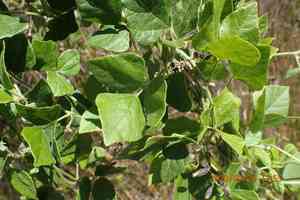
Caribbean snoutbean (Rhynchosia caribaea)
Also known as: None reported
The Caribbean snoutbean is a tropical perennial vine known for its soft, trifoliate leaves and vivid yellow flowers resembling peas. It flourishes in warm, sunny environments and exhibits a climbing growth pattern. Adapted to hot climates, this plant is commonly found in sandy coastal regions, dunes, and scrublands, contributing to the biodiversity of Caribbean ecosystems.
In This Article
Attributes of Caribbean snoutbean
Lifespan
Perennial
Plant Type
Vine, Herb
Plant Height
Up to 3 meters when climbing
Spread
Variable, depends on the support structure
Leaf Color
Green
Flower Size
Approximately 1 cm
Flower Color
Yellow
Images of Caribbean snoutbean
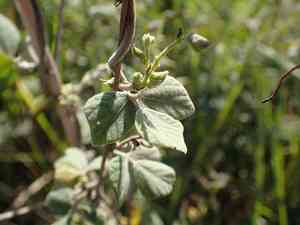
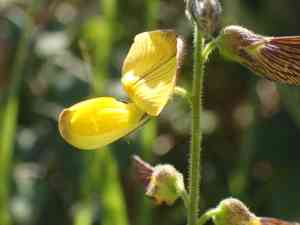
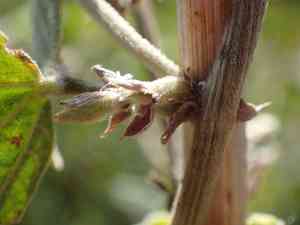
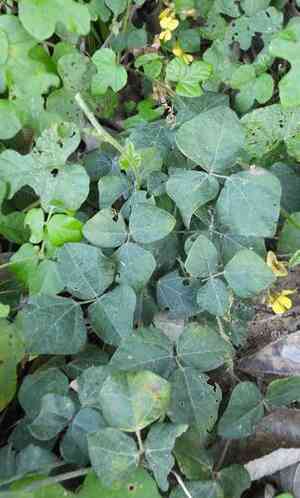
Quickly Identify Caribbean snoutbean
1
Rhynchosia caribaea can be identified by its trifoliate leaves, small yellow flowers, and its tendency to grow as a vine or climbing shrub.
Scientific Classification of Caribbean snoutbean
Phylum
Vascular plants
Class
Dicotyledons
Order
Fabales
Family
Legume
Genus
Snoutbean
Species
Caribbean snoutbean
Planting and Growing of Caribbean snoutbean
Care Difficulty
Moderate
Watering Schedule
Every 2 days
Sunlight Requirements
Full sun
Sunshine Duration
6-10 hours
Ideal Temperature
70-85℉
Soil Type
Potting Mix, Peat Mix
Soil pH
6.5-7.5
Fertilizer Type
Balanced
Pruning Season
Spring, Summer
Pruning Area
Branches, Leaves
Pruning Frequency
2 times a year
Repotting Season
Spring
Pot Type
Plastic, Ceramic
 How to Water Caribbean snoutbean?
Rhynchosia caribaea requires moisture that penetrates deeply into its root system. Aim for about 250 ml of water per session, allowing the water to reach the root zone but not leaving the soil soggy. Ensure the topsoil is slightly dry between waterings to mimic its natural habitat conditions.
What are the symptoms of an underwatered Caribbean snoutbean?
›
What should I do if my Caribbean snoutbean is not getting enough water?
›
What are the symptoms of an overwatered Caribbean snoutbean?
›
How to save an overwatered Caribbean snoutbean?
›
 What Are the Sunlight Requirements for Caribbean snoutbean?
Full sun exposure is optimal, enhancing Rhynchosia caribaea's photosynthesis, flowering, and overall health. Ensuring adequate sunlight supports robust growth and resistance to stress and pests.
How much sunlight does Rhynchosia caribaea need?
›
What are the best solutions for ideal lighting?
›
What are the benefits of providing ideal sunlight?
›
 What Is the Ideal Temperature Range for Caribbean snoutbean?
Rhynchosia caribaea thrives best in a temperature range from 70 to 85 degrees Fahrenheit. These conditions mimic its native tropical and subtropical habitats, promoting vigorous growth and optimal metabolic activity.
 What Soil is Best for Caribbean snoutbean?
Rhynchosia caribaea thrives in soils that offer excellent drainage. This prevents waterlogging, which can hinder root respiration and nutrient uptake. Ensuring the soil is well-draining provides the plant with a stable environment to flourish. This plant benefits from soil rich in organic matter. Nutrient-rich loam supports healthy growth and vibrant foliage, enhancing the plant's ability to produce flowers and withstand environmental stressors. While drainage is crucial, the soil should also retain sufficient moisture to keep the plant hydrated. Sandy loam helps maintain a balance between moisture and air pockets, promoting healthy root development.
 How to Fertilize Caribbean snoutbean?
When fertilizing Rhynchosia caribaea, a balanced approach is essential. For liquid fertilizer, use a diluted solution with a concentration of 1/4 the recommended strength. Apply approximately 500 ml per plant each time. For solid fertilizers, use about 50 grams per plant, ensuring slow-release formulations to provide ongoing nutrition without overwhelming the plant.
 How to Prune Caribbean snoutbean?
Use clean, sharp tools to make cuts just above a node or bud. This encourages bushier growth. Focus on removing any dead, damaged, or diseased stems first. Trim back overgrown branches to maintain a neat shape and don't cut more than one-third of the plant at a time to prevent shock. To promote continuous blooming, regularly remove spent flowers. Clip the stem back to the first healthy leaf beneath the flower. This prevents the plant from directing energy to seed production, instead of stimulating more flowering.
More About Pruning Techniques→
 How to Propagate Caribbean snoutbean plant?
1
Soak the seeds in warm water for 24 hours to soften the seed coat, which helps in faster germination.
2
Select healthy plants and take 4-6 inch cuttings just below a node. Remove the leaves from the lower half of the cutting to reduce water loss.
3
Place the cuttings in a moist, well-drained potting mix. Keep them in indirect sunlight and maintain high humidity for root development.
 How to Repot Caribbean snoutbean plant?
1
Rhynchosia caribaea should be repotted when you notice roots emerging from the drainage holes, soil drying out quickly after watering, or slowed growth. Choose either spring or autumn to perform this task, as these seasons provide the best growing conditions for recovery and new root establishment.
2
Select a pot that is roughly 2 inches larger in diameter than the current one. Ensure it has adequate drainage holes to prevent waterlogging, which can cause root rot. A slightly larger pot will provide necessary root space, reduce water stress, and promote healthy growth.
3
Opt for a well-draining, sandy loam soil mix. This type of soil maintains a balance between moisture retention and drainage, which is essential for Rhynchosia caribaea. The mix should allow good air circulation around the roots, promoting healthier growth.
Toxicity
Ingestion
WARNING
The judgment on toxicity and danger is for reference only. We DO NOT GUARANTEE any accuracy of such judgment. Therefore, you SHALL NOT rely on such judgment. It is IMPORTANT TO SEEK PROFESSIONAL ADVICE in advance when necessary.
Learn More About Caribbean snoutbean Diseases
Anthracnose
Bacterial Leaf Spot
Bacterial Wilt
Crown Gall
Cyst Nematode
Damping-off
Downy Mildew
Drought Stress
Fusarium Wilt
Gray Mold
Leaf Curl
Leaf Spot
Mosaic
Nutrient Deficiency
Nutrient Toxicity
Powdery Mildew
Root Rot
Root-knot Nematode
Rusts
Sooty Mold
Spider Mites
Temperature Stress
Thrips Damage
White Mold



