How to Prune Wild rosemary?
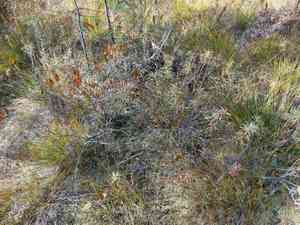
This perennial bush is recognized for its slender foliage and fragrant qualities. For wild rosemary, trimming ought to concentrate on eliminating deceased or compromised limbs and gently shaping as required to uphold a tidy look. The most effective time for pruning is from late winter to early spring, prior to the emergence of new shoots. Pruning during this period encourages robust growth and blooming. Refrain from severe cutting, as the plant might not recover effectively. Consistent thinning improves air movement, which is vital for averting ailments in wild rosemary.
What Are the Benefits of Pruning Wild Rosemary?
What Are the Benefits of Pruning Wild Rosemary?
Trimming wild rosemary promotes robust development and preserves its form, ensuring a balanced structure and preventing excessive growth that could lead to poor air circulation and illness.
What Is the Best Time for Pruning Wild Rosemary?
What Is the Best Time for Pruning Wild Rosemary?
The optimal periods to prune or trim wild rosemary are late winter and early spring. These seasons are ideal as they precede the plant's natural growth surge that typically occurs in spring. Pruning in late winter allows for the removal of any dead or damaged wood without affecting new growth. Early spring pruning is well-timed; it stimulates new growth, revitalizes wild rosemary, and helps maintain its desired shape. Additionally, pruning just before the active growth phase helps the plant to recover quickly, minimizes stress, and reduces the risk of disease entering through pruning cuts. Since wild rosemary may flower, timing pruning before the formation of flower buds ensures that the plant's display is not negatively impacted during its blooming period.
What Tools Do I Need to Prune Wild Rosemary?
Hand Pruners
Perfect for making clean cuts on the thinner stems and branches of wild rosemary. Opt for bypass pruners due to their scissor-like action that encourages healthy regrowth.
Shears
Useful for trimming and shaping the softer, herbaceous parts of wild rosemary. Long-handled shears offer leverage and reach, while hand shears are good for detailed tasks.
Loppers
Suitable for cutting through thicker branches that may be present in mature wild rosemary. They provide the necessary leverage and have long handles to access the plant's interior.
Pruning Saw
Recommended for any branches exceeding an inch in diameter that cannot be easily cut with loppers. A pruning saw will quickly handle larger branches without harming wild rosemary.
Gloves
Protection for the gardener's hands while pruning wild rosemary, to prevent injuries from thorns or rough branches.
How to Prune Wild Rosemary
Cleaning Tools
Sanitize your pruning shears before beginning to prevent the spread of diseases to wild rosemary. Use a solution of 1 part bleach to 9 parts water to clean the blades.
Removal Diseased Leaves
Carefully inspect wild rosemary for any diseased leaves. Use the shears to precisely cut off diseased foliage at the base where the leaf stem joins the main branch, being careful to avoid damaging healthy parts.
Removal Withered Leaves
Identify all withered leaves on wild rosemary. Prune these leaves at their base in the same manner as diseased leaves to enhance the plant's appearance and direct energy to healthier growth.
Disposal
Remove and dispose of all diseased and withered foliage away from healthy plants to prevent any potential spread of disease.
Sanitation
After pruning wild rosemary, clean your tools once more using the bleach solution to ensure no pathogens are carried to the next plant you work on.
Common Pruning Mistakes with Wild Rosemary
Over Pruning
Pruning excessively can stress wild rosemary, leading to poor growth or reduced flowering. Gardeners should avoid removing more than one-third of the plant's volume during a pruning session.
Improper Cutting
Incorrect cutting techniques can harm wild rosemary's branches and stems, creating entry points for pests and diseases. Cuts should be made cleanly and at a 45-degree angle just above a leaf node or bud.
Neglecting Tool Hygiene
Using unclean tools can spread diseases to wild rosemary. It is essential to disinfect pruning shears before and after use to minimize the risk of infection.
Inconsistent Pruning
Failing to maintain a regular pruning schedule can result in a tangled, uneven plant. Consistent pruning helps maintain the shape and promotes healthier growth in wild rosemary.
Wrong Pruning Focus
Pruning should promote good air circulation and light penetration. Cutting only the top or outermost parts without thinning the interior can lead to dense growth that hinders these conditions.
Common Pruning Tips for Wild Rosemary
Correct Technique
Use sharp, clean pruning shears and make angled cuts to avoid injuring wild rosemary and to facilitate water runoff from the cut surface, which helps prevent disease.
Thinning Out
Rather than shearing, thin out dense areas by removing selected branches at their base. This improves air circulation and light exposure, which is vital for wild rosemary's health.
Selective Pruning
Prune selectively to shape wild rosemary and to remove any dead, diseased, or damaged branches, as well as any leggy or weak stems.
Follow Natural Shape
To maintain wild rosemary's aesthetic, prune in accordance with its natural growth habit. Avoid creating an unnatural shape unless it is part of a specific garden design.
Balanced Pruning
Aim for a balanced look by evenly pruning all sides of wild rosemary, remembering not to prune more than a third of the plant at any one time to encourage healthy growth.



