Enhancing Your Garden Design with the Wild rosemary Plant: A Landscaping Guide
1
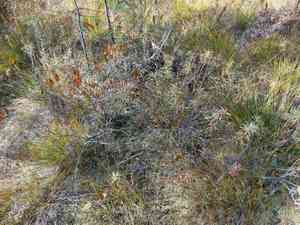
Wild rosemary is an evergreen shrub recognized for its fragrant foliage and attractive flower clusters.
2
It flourishes in acidic, well-draining soil and favors partial shade to full sun exposure.
3
Adding Wild rosemary to your garden can improve both its visual appeal and ecological variety.
Introducing Wild Rosemary in Your Landscape
Benefits of selecting Wild rosemary for your garden
Opting for Wild rosemary in your garden offers numerous advantages, spanning both visual appeal and practical utility. This plant is renowned for its resilience, making it suitable for diverse climates. Its distinctively fragrant leaves impart a pleasant, spicy aroma to your garden, while its lovely flower clusters provide a visual delight. Furthermore, Wild rosemary is known for its minimal upkeep, making it ideal for both new and seasoned gardeners. Integrating Wild rosemary into your landscape design is an excellent way to establish a captivating focal point without demanding extensive care routines.
Key characteristics of Wild rosemary for landscaping purposes
Wild rosemary, an evergreen shrub, is distinguished by its small, needle-like foliage and delicate white to pinkish blossoms. It thrives in acidic, well-drained soil, preferring environments with partial shade or even full sun. A notable attribute of Wild rosemary is its adaptability â it can flourish in various conditions, from moist peaty soils to drier, sandy locales. This plant can reach heights of up to 3 feet, spreading to form a dense, bushy appearance. Its unique qualities make it a flexible choice for diverse landscaping needs, whether you aim to fill garden beds, establish natural borders, or introduce a touch of wild charm to a manicured setting.
Designing Your Garden Layout with Wild Rosemary
Choosing the optimal spot for Wild rosemary in your garden
Selecting the best location for Wild rosemary in your garden plan is vital for its growth and your overall design success. As Wild rosemary flourishes in acidic, well-drained soils, choosing an area that matches these soil conditions is crucial. Ensure the spot receives partial shade to full sunlight, depending on your region's climate. In cooler areas, more sun may benefit the plant, while in hotter regions, some afternoon shade could prevent leaf burn. It's also wise to consider Wild rosemary's mature size, spacing it appropriately from other plants to prevent overcrowding and allow it to develop its natural shape.
Companion plants that complement Wild rosemary
Pairing Wild rosemary with suitable companion plants can enhance your garden's beauty and health. Plants like heathers, azaleas, and hollies can complement Wild rosemary well, sharing similar soil and light requirements. These plants contribute different textures and colors, creating a more dynamic and visually engaging garden. Including plants that attract beneficial insects can also improve pollination and reduce pest issues. Remember, incorporating a diverse range of plants not only boosts your garden's beauty but also its ecological balance, promoting biodiversity and resilience against pests and diseases.
Creative ideas: Using Wild rosemary as garden focal points
Wild rosemary can be a striking feature in your garden if utilized effectively as a focal point. Consider planting it in prominent areas like the center of garden beds or at entry points to create an inviting view. Its unique foliage and delicate flowers can draw attention and provide a natural centerpiece. Using Wild rosemary in raised beds or containers can also highlight its beauty while offering the flexibility to control soil conditions more precisely. Another creative idea is to plant Wild rosemary in clusters, mixing it with other shrubs and perennials to form a layered, textured landscape that combines different heights, colors, and forms for a stunning visual impact.
Caring for Wild Rosemary in Your Landscape
Seasonal maintenance tips for Wild rosemary
Caring for Wild rosemary involves understanding its seasonal requirements to keep it healthy and vibrant throughout the year. In spring, apply a layer of mulch to retain moisture and suppress weeds. During summer, ensure it receives adequate water, especially during dry spells, but avoid waterlogging. In fall, prune any dead or diseased branches to encourage healthy growth and shape the plant. Winter care involves protecting Wild rosemary from extreme cold by adding an extra layer of mulch and ensuring it's shielded from harsh winds. Consistent care across seasons will help Wild rosemary thrive and maintain its attractive appearance.
Addressing common challenges when growing Wild rosemary
Like any plant, Wild rosemary may encounter certain difficulties, but being prepared can help you manage these issues effectively. Common problems include pests like aphids and spider mites, which can be controlled with regular inspection and the use of insecticidal soap if necessary. Fungal diseases such as root rot can occur in poorly drained soils, so ensure proper drainage and avoid overwatering. Yellowing leaves may indicate nutrient deficiencies â a balanced fertilizer can help correct this. By staying vigilant and responsive, you can keep Wild rosemary healthy and mitigate any problems before they escalate.
Enhancing Your Landscape's Appeal with Wild Rosemary
Utilizing Wild rosemary in borders and edging designs
Wild rosemary is excellent for defining garden borders and creating structured edges with its dense foliage and manageable size. Planting Wild rosemary along perimeters can form a natural boundary that delineates different garden sections or pathways, adding both function and form. Its evergreen nature ensures year-round interest, keeping your garden looking neat and maintained even in the winter months. For a more intricate edging, mix Wild rosemary with other perennials and shrubs that bloom at different times, ensuring a continuous display of color and texture along your garden edges.
Integrating Wild rosemary into modern versus traditional designs
Wild rosemary is versatile enough to suit both modern and traditional garden designs. In a modern layout, use Wild rosemary for minimalist plantings with clean lines and simple color schemes, placing it in geometric patterns or as solitary specimens in sleek containers. Its understated beauty complements the contemporary aesthetic effectively. In traditional gardens, integrate Wild rosemary in more naturalistic plantings, mixing it with a variety of perennials and flowering shrubs to create a lush, cottage-style garden. The key is to balance Wild rosemary's placement with other design elements to achieve the desired look, whether it's stark and structured or rich and layered.



