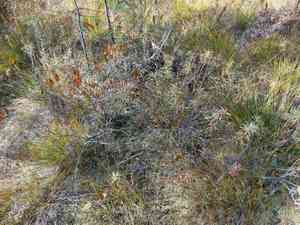
Wild rosemary (Rhododendron tomentosum)
Also known as: Labrador tea, Marsh tea
Wild rosemary, is a small evergreen shrub with fragrant white flowers that bloom in late spring. It can be poisonous to livestock if ingested in large quantities.
In This Article
Attributes of Wild rosemary
Lifespan
Perennial
Plant Type
Vine, Shrub
Plant Height
30 cm to 1 m
Spread
Varies, generally compact and spreading
Leaf Color
Dark green on top, whitish or rusty beneath
Flower Size
3 cm to 5 cm
Flower Color
White
Images of Wild rosemary
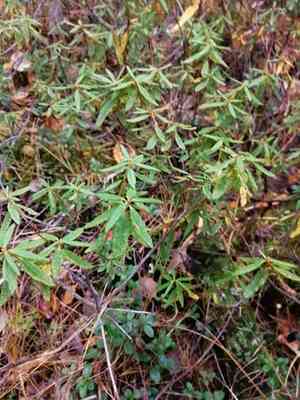
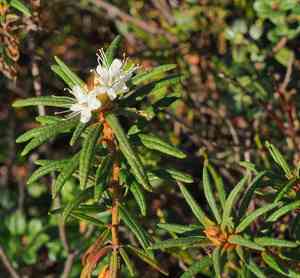
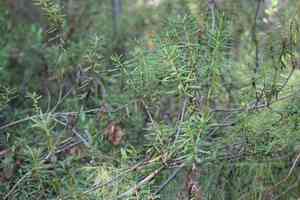
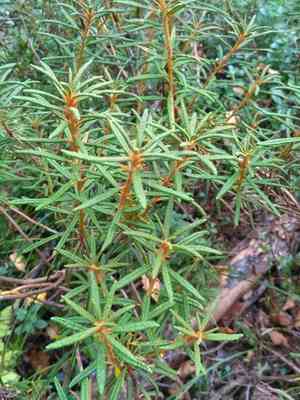
Quickly Identify Wild rosemary
1
Rhododendron tomentosum can be identified by its aromatic, leathery leaves that are covered in fine hairs and typically have curled edges. The plant produces small, white, bell-shaped flowers in clusters during the spring and early summer. Its stems are often reddish-brown and hairy.
Scientific Classification of Wild rosemary
Phylum
Vascular plants
Class
Dicotyledons
Order
Ericales
Family
Heath
Genus
Azaleas
Species
Wild rosemary
Planting and Growing of Wild rosemary
Care Difficulty
Easy
Watering Schedule
Every 2 days
Sunlight Requirements
Partial sun
Sunshine Duration
4-6 hours
Ideal Temperature
50-70℉
Soil Type
Potting Mix, Peat Mix
Soil pH
3.5-5.5
Fertilizer Type
Balanced
Pruning Season
Spring, Summer
Pruning Area
Branches, Leaves
Pruning Frequency
2 times a year
Repotting Season
Spring
Pot Type
Plastic, Ceramic
 How to Water Wild rosemary?
For Rhododendron tomentosum, the watering should be enough to moisten the root zone without making it soggy. Approximately 200 milliliters per session should suffice, ensuring that the top inch of soil feels moist but not waterlogged. The key is to maintain a balance, avoiding both excessive dryness and over-saturation.
What are the symptoms of an underwatered Wild rosemary?
›
What should I do if my Wild rosemary is not getting enough water?
›
What are the symptoms of an overwatered Wild rosemary?
›
How to save an overwatered Wild rosemary?
›
 What Are the Sunlight Requirements for Wild rosemary?
Rhodesodendron tomentosum enjoys 4 to 6 hours of partial sunlight, which encourages vigorous blooming and strong foliage development, enhancing its natural beauty significantly.
More About Sunlight Requirements Techniques→
Question: What are the best lighting conditions for Rhododendron tomentosum?
›
Question: What could hinder achieving ideal light for Rhododendron tomentosum?
›
Question: Are there seasonal adjustments for light requirements?
›
 What Is the Ideal Temperature Range for Wild rosemary?
The ideal temperature range for Rhododendron tomentosum is between 50°F to 70°F. This range allows the plant to thrive without stress, supporting healthy growth and flowering. Maintaining consistent temperatures within this range helps prevent stress-related issues and supports optimal metabolism and uptake of nutrients.
 What Soil is Best for Wild rosemary?
Rhododendron tomentosum thrives in soil that retains moisture without becoming waterlogged. It ensures the plant remains hydrated, especially during warmer months, promoting healthy growth. This plant flourishes in nutrient-rich soil, which supports its growth and flowering capabilities. Rich organic matter or compost enriches the soil, resulting in vibrant and abundant blossoms. Preferring acidic soil, Rhododendron tomentosum benefits from a pH range that supports nutrient absorption. Ensuring acidic conditions maximizes nutrient uptake, enhancing foliage health and bloom production.
 How to Fertilize Wild rosemary?
Rhododendron tomentosum requires careful fertilization to maintain its health. Typically, a light feeding with a balanced fertilizer suited for acid-loving plants is recommended. Stick to around one tablespoon of a granular fertilizer per square foot, ensuring even distribution. For liquid fertilizers, use a diluted mix at half the recommended strength to avoid overfeeding.
 How to Prune Wild rosemary?
Begin by sharpening your pruning shears for clean cuts. Identify dead, diseased, or crossing branches and remove them first. Make cuts at a 45-degree angle, just above a node, to ensure proper healing and regrowth. For shaping, focus on maintaining the natural form of Rhododendron tomentosum. Trim to promote airflow and sunlight penetration, which helps prevent disease. Regular maintenance trimming can also enhance the aesthetic appeal of your plant.
More About Pruning Techniques→
 How to Propagate Wild rosemary plant?
1
Choose a healthy parent plant from which to take cuttings. Look for vigorous growth with no signs of disease or pest infestation.
2
Cut a 3-4 inch section from a healthy stem just below a node. Remove the lower leaves, leaving a set of leaves at the top.
3
Dip the cut end of the cutting into rooting hormone and plant it in moist, well-draining potting mix. Ensure the cutting is inserted at least an inch deep.
 How to Repot Wild rosemary plant?
1
Rhododendron tomentosum signals the need for repotting with stunted growth and root emergence from drainage holes. It's best done in spring or summer when the plant is in vigorous growth. Repotting during active growth helps the plant quickly adjust to the new soil environment, ensuring minimal stress.
2
Choose a pot one size larger with ample drainage holes. The right pot prevents root rot and encourages healthy growth. Avoid oversized pots which retain excessive moisture, leading to waterlogged roots. A clay pot can provide breathability, aiding in moisture regulation.
3
Opt for a specifically acidic and well-draining mix, catering to the plant’s native peatland habitat. A soil with high organic content like peat moss enriches nutrient supply while ensuring drainage, thus preventing water retention common in rhododendron species.
Toxicity
Ingestion
WARNING
The judgment on toxicity and danger is for reference only. We DO NOT GUARANTEE any accuracy of such judgment. Therefore, you SHALL NOT rely on such judgment. It is IMPORTANT TO SEEK PROFESSIONAL ADVICE in advance when necessary.
Learn More About Wild rosemary Diseases
Anthracnose
Bacterial Leaf Spot
Black Spot
Chemical Injury
Crown Gall
Damping-off
Downy Mildew
Drought Stress
Fusarium Wilt
Gray Mold
Leaf Curl
Leaf Spot
Mosaic
Nutrient Deficiency
Nutrient Toxicity
Powdery Mildew
Root Rot
Root-knot Nematode
Rusts
Sooty Mold
Spider Mites
Temperature Stress
Thrips Damage



