How to Prune Royal azalea?
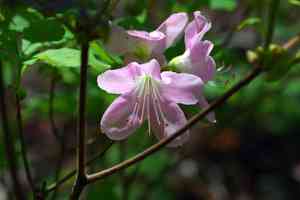
A deciduous bush featuring prominent groupings of pink, aromatic blossoms, royal azalea flourishes with judicious trimming to preserve its form and foster vitality. Perform pruning right after its blooming period in late spring or early summer to prevent the removal of the following year's flower buds. Eliminate any deceased or frail branches, and thin out congested sections to boost light exposure and air circulation. This horticultural practice not only boosts its visual charm but also encourages robust development and amplifies flowering in future periods.
What Are the Benefits of Pruning Royal Azalea?
What Are the Benefits of Pruning Royal Azalea?
Trimming royal azalea is crucial for encouraging new buds and blooms, resulting in a more abundant flowering season. It also aids in eliminating any diseased or damaged sections, decreasing the chance of pest infestations and disease transmission, thus ensuring a healthier and more robust plant.
What Is the Best Time for Pruning Royal Azalea?
What Is the Best Time for Pruning Royal Azalea?
The ideal times for pruning or trimming royal azalea coincide with the end of its flowering period. Typically, royal azalea blooms in spring; therefore, late spring and early summer are the optimal times for pruning to avoid removing flower buds that develop on old wood. Pruning during this timeframe facilitates the plant's recovery and the formation of buds for the subsequent year. It also allows the gardener to shape the plant after flowering without jeopardizing the health or bloom potential of royal azalea.
What Tools Do I Need to Prune Royal Azalea?
Bypass Pruners
Perfect for making clean cuts on living wood without crushing plant tissues. Suitable for cutting through royal azalea's slender branches and for precise shaping.
Lopping Shears
Useful for branches slightly thicker than what bypass pruners can manage. The long handles provide leverage to cut through royal azalea's larger stems without causing harm.
Pruning Saw
Essential for removing any branches exceeding an inch in diameter. A pruning saw enables selective thinning of royal azalea without damaging its main structure.
Garden Gloves
Offer protection for the gardener's hands from thorns and plant sap while pruning royal azalea.
Disinfectant for Tools
Prevents the spread of diseases among plants. Always sanitize pruning tools before and after trimming royal azalea to maintain plant health.
How to Prune Royal Azalea
Remove Diseased And Dead Material
Identify and eliminate any diseased leaves and branches royal azalea exhibits to prevent the spread of disease and pests. Use sterilized, sharp pruning tools to make clean cuts without tearing.
Thin Out Withered Parts
Cut back withered leaves, dead branches, and spent flowers to just above a set of living leaves or nodes. This encourages healthy growth by allowing air and light to penetrate royal azalea's interior.
Trim Excessive Growth
Prune back overly long branches to maintain royal azalea's natural shape and size. Make cuts just above a healthy leaf node or lateral branch to encourage branching and fullness.
Promote Vigorous Growth
Selectively thin out the interior branches to open up the canopy. Remove any overlapping branches to reduce competition and promote robust growth in royal azalea.
Enhance Aesthetics
Shape royal azalea by trimming back overgrown branches to a desired length, ensuring the overall appearance is balanced and harmonious with surrounding plants.
Common Pruning Mistakes with Royal Azalea
Over-Pruning
Removing too much growth at once can shock royal azalea, leading to stunted growth or even plant demise.
Improper Cuts
Incorrect cutting technique can result in ragged wounds that are vulnerable to disease and pests.
Pruning Into Old Wood
Royal azalea blooms on the previous year's growth, so cutting into old wood can reduce flowering.
Not Sanitizing Tools
Using unclean pruning tools can spread disease between plants.
Shearing
Using hedge trimmers or shears on royal azalea can lead to a less natural shape and damage the plant's structure.
Common Pruning Tips for Royal Azalea
Selective Pruning
Cut back individual branches to just above a set of leaves to preserve the plant's natural form.
Thin Out
Remove some of the older branches at the base to encourage air circulation and new growth from within the plant.
Deadheading
Regularly remove spent flowers to promote more blooms and prevent energy from being directed to seed production.
Rejuvenation Pruning
For an overgrown royal azalea, perform a severe pruning to stimulate new growth, but do this sparingly and only when necessary.
Tool Care
Ensure pruning tools are sharp and sanitized before use to make clean cuts and prevent disease.



