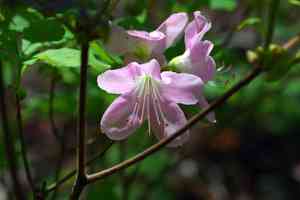
Royal azalea (Rhododendron schlippenbachii)
Also known as: Early midseason azalea
The fragrant blossoms of the royal azalea attract butterflies, hummingbirds, and bees. In South Korea, it is frequently used as a local symbol. Baron von Schlippenbach, a Russian commander who collected the species in 1854, inspired its species name, "schlippenbachii."
In This Article
Attributes of Royal azalea
Lifespan
Perennial
Plant Type
Shrub
Plant Height
1.8 m to 2.5 m
Spread
1.8 m to 2.5 m
Leaf Color
Green
Flower Size
2.5 cm to 8 cm
Flower Color
Pink White
Images of Royal azalea
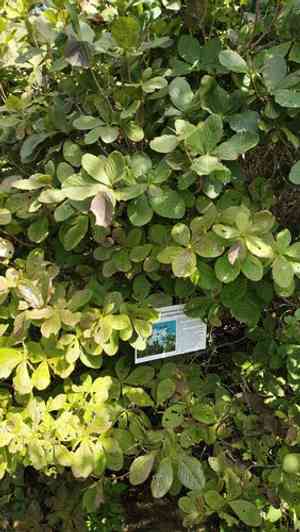

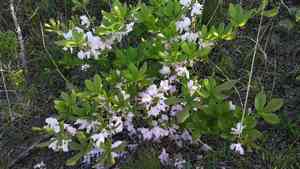
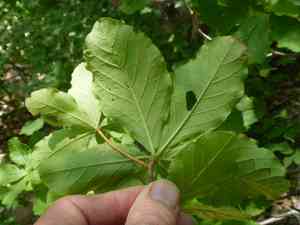
Quickly Identify Royal azalea
1
Rounded and upright growth habit
2
2 to 3 inches (5 to 7.5 cm) pale pink flowers
3
Soft, matte-textured leaves
4
Vibrant dark green leaves with whorled arrangement
5
Prominent midribs and clear lateral veins on leaves
Scientific Classification of Royal azalea
Phylum
Vascular plants
Class
Dicotyledons
Order
Ericales
Family
Heath
Genus
Azaleas
Species
Royal azalea
Planting and Growing of Royal azalea
Care Difficulty
Easy
Watering Schedule
Every 4 days
Sunlight Requirements
Partial sun
Sunshine Duration
6-10 hours
Ideal Temperature
50-70℉
Soil Type
Potting Mix, Peat Mix
Soil pH
4.5-6
Fertilizer Type
Balanced
Pruning Season
Spring, Summer
Pruning Area
Branches, Leaves
Pruning Frequency
2 times a year
Repotting Season
Spring
Pot Type
Plastic, Ceramic
 How to Water Royal azalea?
When watering Rhododendron schlippenbachii, make sure the soil is evenly moist but not soggy. The general rule is to water until the soil feels damp up to the root depth, which typically requires about 500 milliliters per session. Avoid letting water pool on the soil surface as this could lead to root rot.
What are the symptoms of an underwatered Royal azalea?
›
What should I do if my Royal azalea is not getting enough water?
›
What are the symptoms of an overwatered Royal azalea?
›
How to save an overwatered Royal azalea?
›
 What Are the Sunlight Requirements for Royal azalea?
Rhododendron schlippenbachii benefits from partial sun, ideally morning light with afternoon shade. This range promotes healthy foliage and robust flowering by balancing light exposure without stressing the plant.
More About Sunlight Requirements Techniques→
Amount of Light Needed
›
Time of Day for Light
›
Solutions for Ideal Lighting
›
 What Is the Ideal Temperature Range for Royal azalea?
Rhododendron schlippenbachii thrives best in a moderate temperature range between 50°F and 70°F. This range supports optimal photosynthesis and growth, ensuring the plant can develop vibrant foliage and plentiful blooms. Maintaining consistent temperatures within this range can prevent stress-related issues and promote robust health throughout the growing season.
 What Soil is Best for Royal azalea?
Rhododendron schlippenbachii thrives in well-drained soils which prevent root rot. Adequate aeration ensures healthy root progression and contributes to robust plant growth. This plant prefers an acidic soil pH ranging from 4.5 to 6.0, which facilitates the uptake of essential nutrients like iron, crucial for its foliage health and vibrant blooms. While well-draining, the soil should also retain moisture. Using organic matter can improve water retention without causing waterlogging, benefiting the plant's hydration needs.
 How to Fertilize Royal azalea?
Rhododendron schlippenbachii generally requires a modest amount of fertilizer. Use an acidic fertilizer specifically formulated for rhododendrons at half the recommended strength. Liquid fertilizers should be diluted to a concentration that allows easy absorption without burning the roots. Avoid over-fertilizing, as rhododendrons are sensitive to high nutrient levels.
 How to Prune Royal azalea?
Start by pruning after the flowers have faded in the late spring or early summer. This timing ensures that the plant has finished blooming, reducing the risk of cutting into next year’s flower buds. Focus on cutting away any dead or damaged branches. This helps the plant direct energy towards healthier growth, improving overall plant vigor. Prune selectively to maintain the plant's natural shape. Avoid cutting into main stems. Instead, trim outer shoots as needed to create a balanced, airy form.
More About Pruning Techniques→
 How to Propagate Royal azalea plant?
1
Select healthy, semi-hardwood stems and cut them at a 45-degree angle. Remove the lower leaves and dip the cut end in rooting hormone to encourage root development.
2
Insert cuttings into a well-draining potting mix. Keep them in a humid environment, such as under a plastic dome, to maintain moisture levels essential for root formation.
3
Once roots have developed, gradually acclimate the cuttings to outdoor conditions before transplanting them into garden beds with appropriate soil and light conditions.
 How to Repot Royal azalea plant?
1
Repot Rhododendron schlippenbachii when you observe roots coming out of drainage holes, slow growth, or if the plant looks top-heavy. The best time is during spring or autumn when the plant is not flowering, allowing it to recover quickly.
2
Select a pot that is one size larger than the current one. It should have good drainage holes to prevent waterlogging, which can cause root rot. A pot with these features supports healthy root development and ensures long-term growth.
3
Opt for an acidic, well-draining soil mix, rich in organic matter. This type of soil maintains the acidity level preferred by the plant, encourages strong root development, and enhances water and nutrient retention.
Toxicity
Ingestion
WARNING
The judgment on toxicity and danger is for reference only. We DO NOT GUARANTEE any accuracy of such judgment. Therefore, you SHALL NOT rely on such judgment. It is IMPORTANT TO SEEK PROFESSIONAL ADVICE in advance when necessary.



