Enhancing Your Garden Design with the Royal azalea Plant: A Landscaping Guide
1
Royal azalea adds vivid hues and form to your garden layout.
2
Optimal positioning and upkeep are crucial for Royal azalea's prosperity.
3
Combining Royal azalea with suitable companions results in a harmonious and impressive garden showcase.
Introducing Royal Azalea to Your Landscape
Discover the beauty of Royal azalea
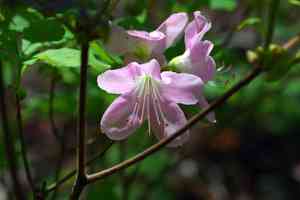
The beauty of Royal azalea is undeniable, making it a superb choice for any garden. With its abundant, vivid flowers and rich green leaves, Royal azalea not only brightens your space but also adds depth and texture. Whether used as a focal point or as part of a layered planting scheme, Royal azalea offers stunning visual appeal throughout its flowering season. Its elegant blooms often attract butterflies and hummingbirds, further enhancing the garden's charm.
Understand its impact on garden design
Integrating Royal azalea into your garden design can significantly alter its atmosphere. The structural form of Royal azalea, with its gracefully arching branches and clustered blossoms, adds a dynamic element to your garden layout. Planted alone, it can serve as a dramatic centerpiece, while in groups, it creates a lush, woodland garden feel. Additionally, its seasonal changes bring different textures and colors to your garden year-round, ensuring your landscape remains captivating and attractive.
Optimal Placement for Royal Azalea's Visual Impact
Best locations for Royal azalea in your garden
Selecting the ideal spot for Royal azalea is crucial for maximizing its visual effect. Consider placing Royal azalea along paths or garden borders where its striking flowers can be admired closely. It also thrives well in mixed borders with other shrubs and perennials, adding height and interest. Incorporating Royal azalea near seating areas can create a picturesque backdrop, making these spaces even more inviting.
Sunlight and shade requirements for Royal azalea
The positioning of Royal azalea regarding sunlight and shade is vital for its health and bloom production. Royal azalea typically prefers partial shade to full sun, with dappled sunlight being perfect. Too much direct sunlight can scorch its leaves, while excessive shade can hinder flowering. Ensure Royal azalea receives ample morning sun with some protection from intense afternoon heat, such as the filtered light provided by taller trees.
Companion Planting with Royal Azalea: A Guide
Plants that complement Royal azalea's beauty
Pairing Royal azalea with complementary plants can elevate your garden's aesthetic appeal. Consider plants with contrasting foliage textures, such as ferns or hostas, to highlight Royal azalea's delicate blooms. Evergreen shrubs make excellent companions, providing a stable green backdrop that emphasizes Royal azalea's vibrant colors. Additionally, spring bulbs like daffodils and tulips planted around the base of Royal azalea can create a captivating layered effect.
Achieving harmony through color and texture
Creating a harmonious garden design involves careful consideration of colors and textures. Royal azalea's blossoms can range from soft pinks to vibrant magentas, and pairing them with plants in complementary hues can create visual balance. Soft blues, purples, and white-flowering plants can enhance the gentle beauty of Royal azalea's blossoms. Additionally, varying the textures of surrounding plants, such as incorporating feathery grasses or broad-leafed perennials, adds depth and interest to your garden composition.
Seasonal Care for Royal Azalea in Your Landscape
What to expect from Royal azalea each season
Royal azalea offers year-round appeal, making it a valuable addition to your garden. In spring, anticipate a stunning display of blooms that can last several weeks. Summer brings lush green foliage, providing a refreshing backdrop for other garden plants. In autumn, Royal azalea's leaves often turn to beautiful shades of yellow or bronze, adding to the seasonal palette. During the winter months, the structure of its bare branches can still offer texture and interest, especially when dusted with snow.
Preparing Royal azalea for weather changes
Preparation is key to ensuring Royal azalea thrives throughout the seasons. In spring, regular watering and mulching help the plant establish. By summer, it's important to maintain consistent moisture levels, particularly during dry spells. As autumn approaches, a layer of mulch around the base can protect the roots through the winter. Pruning after the flowering season helps maintain shape and encourages healthy growth, while also removing any dead or diseased wood.
Long-Term Maintenance for Royal Azalea in Landscapes
Essential care tips for health and growth
Maintaining Royal azalea in your landscape involves a few key practices. Regular watering, especially during dry periods, ensures the plant remains healthy and vibrant. Mulching helps retain soil moisture and regulate temperature, benefiting root growth. Additionally, feeding Royal azalea with an acid-loving plant fertilizer can promote lush foliage and prolific blooming. Keep an eye out for pests and diseases, treating any issues promptly to prevent spread.
When and how to prune for ideal shape
Pruning Royal azalea is essential for maintaining its form and encouraging new growth. The best time to prune is just after the flowering period, typically in late spring to early summer. Remove any dead or crossed branches to allow better air circulation and sunlight penetration. Shaping the plant by lightly trimming the outer edges encourages a bushy, well-rounded appearance. Avoid heavy pruning, as this can reduce next year's bloom production.



