How to Prune Rock buckthorn?
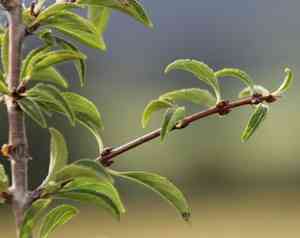
Rock buckthorn, recognized for its robust development in stony environments, greatly benefits from trimming to preserve its structure and well-being. The best periods for pruning are late winter or early spring, prior to the emergence of new shoots. Concentrate on eliminating deceased or compromised branches and reducing crowded sections to enhance light exposure and air movement. This practice stimulates strong, thriving growth and refines the plant's inherent silhouette. Consistent trimming also averts prevalent ailments by boosting the plant's general resilience.
What Are the Benefits of Pruning Rock Buckthorn?
What Are the Benefits of Pruning Rock Buckthorn?
Trimming rock buckthorn promotes robust development and maintains its desired form. Regular cutting helps revitalize the plant, fostering strong, healthy branches and an appealing shape, crucial for garden beauty and plant well-being.
What Is the Best Time for Pruning Rock Buckthorn?
What Is the Best Time for Pruning Rock Buckthorn?
Late winter and early spring are considered the ideal times for trimming rock buckthorn because the plant is typically inactive during these periods. This dormant phase minimizes stress on the plant as it is not actively growing, which enhances the plant's recovery and vigor. Pruning before the onset of new spring growth allows rock buckthorn to heal wounds quickly and directs its energy to produce new, healthy shoots. Furthermore, this timing helps prevent disease entry and pest infestations, which are less active in cooler weather. These factors collectively contribute to the overall health and productivity of rock buckthorn, particularly important if the goal is to maintain its shape or to stimulate flowering and fruiting for the upcoming season.
What Tools Do I Need to Prune Rock Buckthorn?
Hand Pruners
Perfect for precise cuts to remove dead or overgrown branches, improving air circulation and sunlight exposure for rock buckthorn. Hand pruners are especially suitable for smaller branches typically found in rock buckthorn, ensuring minimal plant damage during trimming.
Loppers
Best for cutting thicker branches that hand pruners cannot manage. These provide the necessary leverage for clean cuts on branches up to 2 inches in diameter, contributing to the healthy upkeep of rock buckthorn.
Pruning Saw
Useful for effectively removing larger, mature branches. A pruning saw allows for clean cuts on branches thicker than those manageable by loppers, which is essential for the robust growth and structural integrity of rock buckthorn.
Gardening Gloves
These protect hands from thorns and rough bark, making the trimming process safer and more comfortable when handling rock buckthorn.
Garden Shears
Effective for shaping and trimming the smaller, more delicate branches and foliage of rock buckthorn to encourage a desirable growth pattern and maintain its aesthetic appearance.
How to Prune Rock Buckthorn
Identify
Identify and mark all diseased and dead parts on rock buckthorn. Focus on spotting diseased leaves, withered leaves, dead branches, and diseased branches. Use a brightly colored string or tape to mark these areas for removal.
Clean tools
Sanitize your pruning tools to prevent disease spread. Use a solution of 1 part bleach to 9 parts water or 70% isopropyl alcohol to thoroughly clean the blades before and after use.
Cut
Begin trimming by removing all marked parts. Use sharp, clean shears or a pruning saw. Make cuts at a 45-degree angle, about 1/4 inch above a healthy bud or branching point. Ensure cuts are clean and smooth to promote faster healing.
Dispose
Carefully discard all removed parts to prevent reinfection or pest attraction. Either burn diseased plant material or seal it in a plastic bag and dispose of it with household waste.
Monitor
After trimming, regularly observe rock buckthorn for signs of stress or further disease. This ongoing vigilance aids in early detection and management of potential health issues, ensuring rock buckthorn's vitality.
Common Pruning Mistakes with Rock Buckthorn
Over-pruning
Removing too much foliage from rock buckthorn can hinder its ability to photosynthesize effectively, weakening the plant over time.
Improper cut placement
Making cuts too far from a bud can lead to dieback, while too close cuts may damage buds, impacting the future growth of rock buckthorn.
Wrong tool usage
Using dull or inappropriate tools can cause jagged or torn cuts, which may lead to disease and pest problems in rock buckthorn.
Ignoring plant structure
Failing to consider the natural shape and growth habit of rock buckthorn during pruning can result in an unbalanced appearance and poor growth.
Common Pruning Tips for Rock Buckthorn
Right tool selection
Use sharp and clean pruning shears or loppers to make clean cuts that heal quickly, reducing the risk of disease.
Cutting technique
Make cuts at a 45-degree angle about 1/4 inch above a bud facing the outside of the plant. This encourages outward growth and good air circulation.
Consider the plant's health
Remove only dead, damaged, or diseased branches, and any that are crossing or rubbing against each other to prevent wounds and allow for healthy growth.
Maintain plant form
Follow the natural shape of rock buckthorn when pruning, enhancing its aesthetic and encouraging productive growth, rather than forcing it into an unnatural form.



