How to Propagate Rock buckthorn?
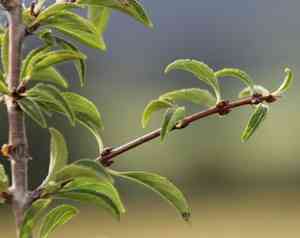
Rhamnus saxatilis, a bush indigenous to stony landscapes, flourishes readily when propagated via cuttings. Hardwood sections yield the best outcomes when harvested from robust, established branches. For peak performance, verify that the cuttings possess adequate length and incorporate multiple nodes. A rooting stimulant can accelerate root formation. Insert these cuttings into a substrate with excellent drainage to avert root decay, maintaining consistent moisture levels in the medium to foster fresh development.
When Is the Optimal Period to Propagate Rock Buckthorn?
Propagation Method
Cutting
Propagation Period
Autumn,Winter
What Equipment Is Utilized for Rock Buckthorn Propagation?
Sharp Pruning Shears
These are vital for obtaining clean, precise cuttings from rock buckthorn. Sharp blades ensure a smooth cut, minimizing stress and damage to the parent plant, which is crucial for the well-being of both the cutting and the remaining plant parts. This promotes better healing and reduces disease risk.
Rooting Hormone
This encourages root development from rock buckthorn cuttings. Applying rooting hormone to the cutting's base significantly boosts the chances of successful root formation, which is essential for cuttings to establish and grow into healthy new plants.
Sterile Potting Mix
Used to provide a clean, pathogen-free environment for new cuttings. The mix should be light and drain well to support the delicate new roots of rock buckthorn, preventing waterlogged conditions that could lead to rot.
Propagation Trays
These trays are used to hold rock buckthorn cuttings in place while they root. Propagation trays help organize multiple cuttings in a compact area, making it easier to maintain consistent moisture and temperature conditions.
Humidity Domes
These cover propagation trays and help maintain high humidity around rock buckthorn cuttings, which is crucial for preventing delicate new growth from drying out before roots have formed.
Heat Mats
These provide a consistent heat source beneath propagation trays, which can significantly improve the rooting success of rock buckthorn cuttings, especially in cooler conditions. Heat mats help simulate warm spring soil, encouraging faster root growth.
How to Propagate Rock Buckthorn?
Propagation Difficulty
Moderately Difficult
How to Nurture Your Newly Propagated Rock Buckthorn?
How to Nurture Your Newly Propagated Rock Buckthorn?
After rock buckthorn cuttings have successfully rooted, which typically takes several weeks, gradually acclimate them to less humid conditions by removing the plastic covering. Once established, transplant them into individual pots or directly into the garden. Rock buckthorn prefers well-drained soil and a sunny to partially shaded location. Regular watering is important, especially during dry spells, but avoid over-watering to prevent root rot. Fertilize lightly during the growing season to support healthy growth.
Common Errors to Avoid When Propagating Rock Buckthorn
Overwatering
Excessive watering can lead to root rot, a condition where rock buckthorn roots begin to decay. This decay hinders the plant's ability to absorb nutrients and water, potentially stunting growth or killing the plant.
Deep planting
Planting rock buckthorn cuttings too deeply can impede their ability to sprout and establish roots. This can cause the cuttings to rot before they become established.
Ignoring local climatic conditions
Attempting to propagate rock buckthorn in conditions unsuitable for its natural habitat can stress the plant. Stress from unsuitable climates can result in poor root development and slow growth, reducing overall propagation success.
Advice For Propagating Rock Buckthorn
Moderate watering
Maintaining a balanced watering regimen ensures the soil remains moist but not waterlogged, which is ideal for rock buckthorn's root development.
Proper cutting depth
Inserting cuttings at a shallow depth allows rock buckthorn to easily sprout and take root. Typically, a few inches below the surface is adequate.
Select healthy parent plants
Using vigorous and disease-free parent plants for cuttings increases the likelihood of successful propagation. Healthy parent plants pass on robust qualities to their progeny.
Adequate sunlight
Ensuring rock buckthorn receives the correct amount of sunlight is crucial. Typically, these plants thrive in partially shaded conditions, which mimic their natural rocky habitats.



