How to Prune Snow buttercup?
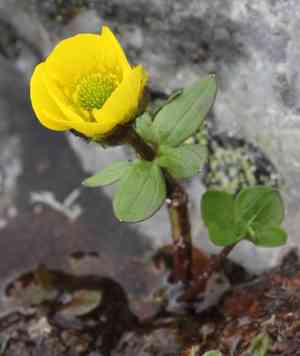
The snow buttercup flourishes in colder environments and displays vibrant yellow blossoms. Essential trimming methods involve eliminating deceased or compromised leaves in late winter or early spring to foster robust development. Performing pruning during these intervals guarantees the plant is not actively expanding, thereby reducing strain. Particular points to consider include refraining from excessive trimming, as the snow buttercup thrives with its inherent growth pattern. Pruning improves air movement, lowers the chance of illness, and encourages abundant flowering, which is crucial for preserving the plant's vitality and aesthetic appeal.
Advantages of Trimming Snow Buttercup
Advantages of Trimming Snow Buttercup
Trimming snow buttercup encourages robust development and helps maintain its form. Consistent trimming fosters healthy growth, manages plant size, and prevents pest and disease outbreaks, improving the plant's overall look and vigor.
Optimal Time for Trimming Snow Buttercup
Optimal Time for Trimming Snow Buttercup
Trimming snow buttercup in early spring or late winter is ideal as these periods align with the plant's dormant state. This ensures that trimming doesn't disrupt its active growth cycle, allowing the plant to recover and grow efficiently once the growing season begins. Furthermore, pruning at these times helps avert diseases and pests that could affect snow buttercup during its peak growth and flowering phases.
Tools Required for Trimming Snow Buttercup
Hand Pruners or Secateurs
These are crucial for making precise cuts on the delicate stems and leaves of snow buttercup. They are perfect for deadheading spent flowers and trimming small stems and foliage.
Bypass Pruners
Bypass pruners deliver a clean cut without crushing stems, making them suitable for the delicate nature of snow buttercup. They aid in preserving plant health and preventing disease.
Pruning Shears
Essential for shaping and managing the growth of snow buttercup. These can handle thicker stems that may develop as the plant matures and expands.
Fine-tip Scissors
Useful for detailed tasks such as removing faded blooms and trimming small leaves. The fine tips ensure accuracy without harming surrounding areas.
How to Trim Snow Buttercup
Sanitize tools
Clean your pruning shears with rubbing alcohol to prevent the spread of diseases.
Identify target
Locate and inspect diseased leaves and withered leaves on snow buttercup.
Cut diseased leaves
Use the sanitized pruning shears to carefully cut off any diseased leaves at the base, close to the stem. Dispose of these appropriately to prevent contamination.
Remove withered leaves
Trim away withered leaves using the same method, cutting at the base. Ensure all dead material is removed to encourage healthy growth.
Check new growth
After removing the diseased and withered leaves, inspect new growth areas to ensure no additional trimming is required.
Common Trimming Errors with Snow Buttercup
Over-trimming
Removing too much foliage or too many stems can stress snow buttercup and hinder its ability to flower and grow properly.
Incorrect techniques
Using dull or improper tools can cause jagged cuts that leave the plant susceptible to diseases. Incorrect cutting angles can also harm the plant.
Timing errors
Trimming at the wrong time can lead to reduced blooms and can stress the plant by removing vital foliage during its active growing phase.
Ignoring dead or diseased parts
Failing to remove dead or diseased stems can lead to the spread of disease within snow buttercup and negatively impact its overall health.
Trimming too early or too late
Not allowing the plant to establish itself before trimming or cutting back too late in the season can negatively affect its growth and flowering cycle.
General Trimming Advice for Snow Buttercup
Use sharp, clean tools
Always use sharp and sterilized pruning shears to make clean cuts. This minimizes damage to snow buttercup and reduces the risk of infections.
Remove dead or diseased parts
Regularly check for and remove any dead or diseased stems to promote healthy growth and prevent the spread of disease.
Make clean cuts
When cutting, make clean and angled cuts just above a node or bud to encourage new growth and reduce the likelihood of disease.
Moderation is key
Avoid over-trimming. Remove only what’s necessary to maintain the plant’s shape and health, allowing snow buttercup to focus energy on flowering and developing robust foliage.
Regular maintenance
Perform light, regular trimming to keep snow buttercup healthy and encourage continuous blooming. Focus on maintaining an open structure to improve air circulation.



