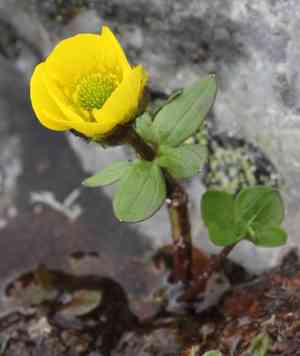
Snow buttercup (Ranunculus nivalis)
Also known as: Snow Buttercup, Arctic Buttercup
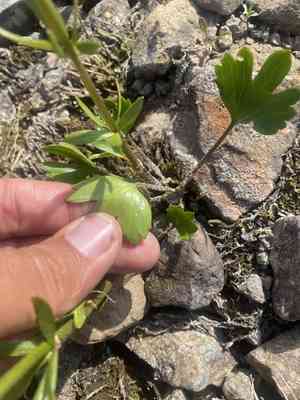
The snow buttercup, an adaptable alpine plant, thrives in frigid, snowy environments. It has a compact growth habit, often forming eye-catching clusters as the snow recedes. Its flowers are characterized by glossy petals, typically white or pale pink, encircling a vivid yellow center, and are elevated above a rosette of deeply lobed leaves. These blooms are specifically adapted to attract early-season pollinators, making the most of its challenging surroundings.
In This Article
Attributes of Snow buttercup
Lifespan
Perennial
Plant Type
Herb
Plant Height
6 cm to 15 cm
Spread
N/A
Leaf Color
Green
Flower Size
1-2 cm
Flower Color
Yellow
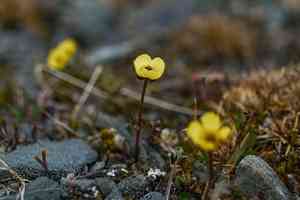
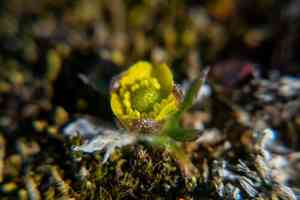
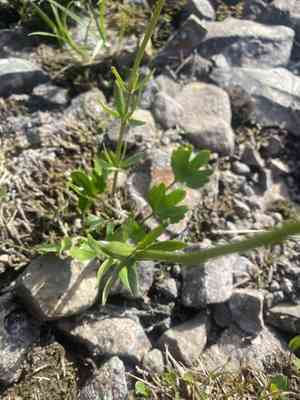
Images of Snow buttercup
Quickly Identify Snow buttercup
1
Ranunculus nivalis can be identified by its bright yellow flowers with five petals, basal leaves that are typically lobed or divided, and its growth in high-altitude or Arctic environments.
Scientific Classification of Snow buttercup
Phylum
Vascular plants
Class
Dicotyledons
Order
Ranunculales
Family
Buttercup
Genus
Ranunculus
Species
Snow buttercup
Planting and Growing of Snow buttercup
Care Difficulty
Moderate
Watering Schedule
Every 2 days
Sunlight Requirements
Full sun
Sunshine Duration
6-10 hours
Ideal Temperature
55-65℉
Soil Type
Potting Mix, Peat Mix
Soil pH
6.5-7.5
Fertilizer Type
Balanced
Pruning Season
Spring, Summer
Pruning Area
Branches, Leaves
Pruning Frequency
2 times a year
Repotting Season
Spring
Pot Type
Plastic, Ceramic
 How to Water Snow buttercup?
Ranunculus nivalis typically requires about 150 milliliters of water per session. It's important to ensure that the soil is adequately moist but not waterlogged. The soil should feel damp to the touch without any standing water remaining. Use your finger to check the moisture level; the top inch of soil should be slightly moist, which indicates a proper watering balance.
What are the symptoms of an underwatered Snow buttercup?
›
What should I do if my Snow buttercup is not getting enough water?
›
What are the symptoms of an overwatered Snow buttercup?
›
How to save an overwatered Snow buttercup?
›
 What Are the Sunlight Requirements for Snow buttercup?
Ranunculus nivalis prospers in full sun to partial sun, with ideal benefits including enhanced blooming, healthy foliage, and overall plant vigor.
What is the best light condition for Ranunculus nivalis?
›
How can I ensure Ranunculus nivalis gets ideal light?
›
What are the benefits of ideal lighting for Ranunculus nivalis?
›
 What Is the Ideal Temperature Range for Snow buttercup?
The ideal temperature range for Ranunculus nivalis is between 55°F and 65°F. This alpine plant thrives in cooler conditions, typical of its native arctic and sub-arctic habitats. Maintaining these temperatures ensures optimal growth and flowering, as it mimics the plant's natural environment, providing the necessary conditions for photosynthesis and nutrient uptake.
 What Soil is Best for Snow buttercup?
Ranunculus nivalis thrives best in well-drained soil. This prevents waterlogging, reducing the risk of root rot which is detrimental to the plant's health. Ensuring that the soil drains efficiently can aid in sustaining the vibrant blooms of this unique plant. This plant prefers soil rich in organic matter. Enhancing the soil with compost or well-rotted manure can provide essential nutrients, promoting lush and vigorous growth. A nutrient-rich substrate supports the plant's natural resilience and flowering potential. Ranunculus nivalis benefits from soil that retains some moisture without being overly wet. Sandy loam can offer this balance, ensuring adequate hydration levels to sustain the plant's needs, especially during dry spells.
 How to Fertilize Snow buttercup?
Ranunculus nivalis requires a delicate balance of nutrients, so too much fertilizer can harm it. Use a diluted liquid fertilizer every two weeks during the growing season. For slow-release fertilizers, lightly sprinkle a small spoonful around the plant's base no more than three times a year. This ensures a steady nutrient supply without overwhelming the plant.
 How to Prune Snow buttercup?
Start by gathering clean, sharp tools such as pruning shears. Gently inspect the plant for dead, damaged, or diseased stems, and carefully make your cuts just above a healthy bud. This helps redirect the plant's energy towards healthier growth. To maintain an appealing shape and promote more extensive blooming, thin out the interior stems to allow light and air to penetrate. This will fortify the overall structure of the plant and improve its resilience against pests and diseases.
More About Pruning Techniques→
 How to Propagate Snow buttercup plant?
1
Begin by collecting mature seeds from existing Ranunculus nivalis plants. Clean any debris from the seeds and store them in a cool, dry place until you are ready to sow them. Soaking the seeds in water overnight may help improve germination rates.
2
Fill seed trays with a well-draining potting mix. Gently press the seeds into the soil surface, making sure they are not covered too deeply. Water lightly and place the trays in a warm, bright location, but avoid direct sunlight which can be too intense for young seedlings.
3
To propagate via division, dig up the entire plant in late spring or early summer. Use pruning shears to carefully separate the root clump into smaller sections, ensuring each section has a healthy root system. Replant the divisions in a suitable location and water thoroughly.
 How to Repot Snow buttercup plant?
1
Ranunculus nivalis should be repotted when you notice roots emerging from the drainage holes, or if the plant's growth appears stunted despite regular watering and feeding. These are clear signals that the plant has outgrown its current pot and requires more space to continue thriving.
2
Select a pot that is one size larger than the current one. It's important that the new pot has ample drainage holes to prevent waterlogging, which can lead to root rot. A slightly larger pot also gives the roots adequate space to expand.
3
Opt for a loamy, well-drained soil mix that holds moisture yet allows excess water to escape easily. Incorporating perlite or sand into your mix can aid drainage, ensuring healthy root development and reducing the risk of rot.
Toxicity
Ingestion, Skin Contact
WARNING
The judgment on toxicity and danger is for reference only. We DO NOT GUARANTEE any accuracy of such judgment. Therefore, you SHALL NOT rely on such judgment. It is IMPORTANT TO SEEK PROFESSIONAL ADVICE in advance when necessary.
Learn More About Snow buttercup Diseases
Anthracnose
Bacterial Leaf Spot
Bacterial Soft Rot
Bacterial Wilt
Black Spot
Chemical Injury
Crown Gall
Cyst Nematode
Damping-off
Downy Mildew
Drought Stress
Fusarium Wilt
Gray Mold
Leaf Curl
Leaf Spot
Mosaic
Nutrient Deficiency
Nutrient Toxicity
Powdery Mildew
Root Rot
Root-knot Nematode
Rusts
Sooty Mold
Spider Mites
Temperature Stress
Thrips Damage
White Mold



