How to Propagate Snow buttercup?
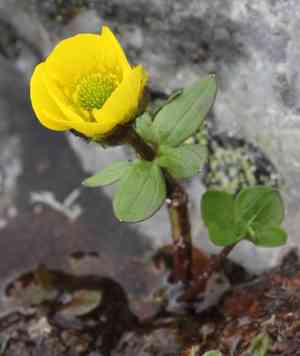
Snow buttercup flourishes in high-altitude and lower-alpine settings. To achieve successful propagation, recently gathered seeds ought to be planted without delay in soil that drains efficiently, mimicking natural layering processes, and ensuring the medium remains damp yet not oversaturated. Careful consideration of the planting site and sustaining steady hydration levels are crucial elements.
Optimal Time for Snow Buttercup Propagation
Propagation Method
Seeding
Propagation Period
Spring
Tools for Snow Buttercup Propagation
Seed Trays
Utilized for sowing snow buttercup seeds. These trays offer a regulated environment, ensuring uniform planting and adequate moisture and air circulation, vital for germination.
Sterile Potting Mix
A well-draining, sterile potting mix reduces disease risk and supplies essential nutrients for snow buttercup seed germination and seedling development.
Humidity Domes
Placed over seed trays, these domes help maintain consistent humidity, crucial for snow buttercup germination, which often needs a moist setting to sprout successfully.
Plant Labels
Aid in identifying sown seeds by placing marked labels in seed trays, allowing propagators to easily track and manage snow buttercup's various stages during propagation.
Watering Can with Fine Rose
A watering can with a fine rose attachment is perfect for gently watering seedlings without disturbing delicate seeds or displacing soil, important for maintaining snow buttercup's sowing depth and health.
Seedling Heat Mat
Helps provide consistent bottom warmth to seed trays, which can accelerate germination and foster healthier snow buttercup root development, especially if ambient temperatures are not consistently warm.
How to Propagate Snow Buttercup
Propagation Type
Simple
Caring for Your Newly Propagated Snow Buttercup
Caring for Your Newly Propagated Snow Buttercup
Post-transplant, keep soil moist but not waterlogged. Water regularly, but let the topsoil dry between waterings to prevent root rot. Mulch around plants to retain moisture and reduce weed competition. Lightly fertilize with a balanced, slow-release product during the growing season. Protect young plants from harsh weather and pests. Regularly remove spent flowers to encourage new blooms and prevent seed formation, which can drain plant energy. Overwinter by covering with a thick mulch layer or moving potted plants to a sheltered spot if in extremely cold areas.
Common Propagation Mistakes for Snow Buttercup
Overwatering
Excessive water can cause root rot, severely harming or killing snow buttercup. Proper drainage is essential.
Poor Soil Quality
Using dense or nutrient-poor soil can hinder root growth and overall health. Snow buttercup thrives in well-drained, nutrient-rich soil.
Incorrect Light Conditions
Too much direct sunlight can cause scorching, while insufficient light can impede growth. Snow buttercup needs partial shade for optimal development.
Incorrect Spacing
Planting snow buttercup too close together can lead to overcrowding, which reduces airflow and increases disease risk.
Ignoring Pest Management
Neglecting to monitor and manage pests can result in significant damage to snow buttercup, hindering successful propagation.
Tips for Propagating Snow Buttercup
Ensure Proper Drainage
Plant snow buttercup in well-drained soil to prevent waterlogging and root rot. Incorporate organic matter to improve soil structure.
Maintain Suitable Soil
Use a mix rich in organic matter and well-aerated. This enhances nutrient availability and supports healthy root development.
Optimize Light Exposure
Place snow buttercup in an area receiving partial shade. This balance prevents scorching from intense sunlight and supports healthy growth.
Allow Adequate Spacing
Space plants appropriately to ensure sufficient airflow and reduce fungal disease risk. This also gives each plant ample room to grow.
Pest Monitoring
Regularly inspect snow buttercup for signs of pests, such as aphids or snails. Use appropriate pest control methods, like organic insecticidal soap or manual removal, to keep the plant healthy.



