How to Prune Yellow water buttercup?
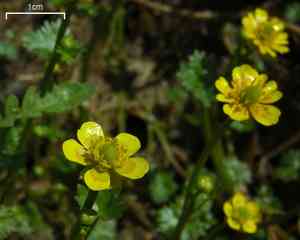
Featuring brilliant yellow blossoms that rest on the water's surface, yellow water buttercup is a persistent aquatic flora. To ensure robust development, routinely eliminate aged leaves and faded flowers. Conduct pruning in the spring when fresh shoots emerge, trimming away any lifeless or compromised sections. During summer, concentrate on deadheading to stimulate additional flowering. Pruning enhances water movement and light access, which are vital for the yellow water buttercup's vitality and the adjacent aquatic environment. Proceed with caution to prevent disruption to the fragile submerged ecosystem.
What Are the Benefits of Pruning Yellow Water Buttercup?
What Are the Benefits of Pruning Yellow Water Buttercup?
Trimming yellow water buttercup promotes robust growth by eliminating dead or crowded leaves, thereby improving light penetration and air circulation. It also preserves the plant's form, fostering strong vitality and an attractive appearance.
What Is the Best Time for Pruning Yellow Water Buttercup?
What Is the Best Time for Pruning Yellow Water Buttercup?
Late Spring is an ideal time to prune or trim yellow water buttercup because this is after the plant has started actively growing, ensuring that the cuts will heal quickly and with minimal stress to the plant. This timing allows gardeners to shape the plant and remove dead or damaged tissue before it enters its vigorous growth phase in Summer. Pruning in Early Summer is also beneficial because it can stimulate new growth and help maintain the desired size and form of yellow water buttercup. Additionally, pruning before yellow water buttercup enters into dormancy can avoid the potential for new growth that might not harden off before the colder temperatures of Fall and Winter, thus reducing the likelihood of frost damage to new tissue.
What Tools Do I Need to Prune Yellow Water Buttercup?
Hand Pruners
Perfect for cutting soft stems and removing spent blooms, providing a precise and clean cut for yellow water buttercup's delicate stems.
Pruning Scissors
Ideal for smaller, more detailed cuts on yellow water buttercup, especially when thinning or refining the plant's shape.
Gloves
Protects hands from moisture or harm from the aquatic environment where yellow water buttercup typically grows.
Waders or Waterproof Boots
Crucial for gardeners to stay dry and comfortable while trimming yellow water buttercup in its watery habitat.
How to Prune Yellow Water Buttercup
Sanitize
Before trimming yellow water buttercup, clean your pruning shears with a 10% bleach solution or alcohol to prevent disease spread.
Identify
Examine yellow water buttercup closely to identify any diseased or withered leaves and any stems that appear diseased.
Cut Leaves
Using your shears, selectively remove diseased and withered leaves from yellow water buttercup by cutting them at the base where they meet the stem, being careful not to harm healthy parts.
Trim Stems
For any diseased stems on yellow water buttercup, make clean cuts just above a healthy leaf node or basal clump to encourage new growth and avoid leaving stubs that can decay.
Dispose
After pruning yellow water buttercup, dispose of the removed plant parts appropriately, ideally far from healthy plants to prevent disease transmission.
Common Pruning Mistakes with Yellow Water Buttercup
Overzealous Pruning
Cutting back too much of yellow water buttercup can damage the plant's ability to photosynthesize and regrow. Restrict pruning to dead or damaged foliage and avoid excessive reduction of healthy leaves or stems.
Improper Tool Use
Using dull or dirty tools can cause jagged cuts that are more prone to infection. Ensure tools are sharp and clean before pruning yellow water buttercup to promote clean cuts and reduce disease risk.
Neglecting Water Habitat
Yellow water buttercup thrives in aquatic environments, and a common mistake is to prune it without considering its preference for water. Maintain sufficient water levels and avoid leaving trimmed plant parts in the water, which can decay and affect water quality.
Ignoring Plant Structure
Pruning without understanding the growth pattern of yellow water buttercup might lead to unwanted plant shape or size. Be mindful of the plant's natural form while trimming.
Common Pruning Tips for Yellow Water Buttercup
Dead And Damaged
Focus on removing dead or damaged foliage to maintain the health of yellow water buttercup. Prune back to just above a set of leaves or a branching point to encourage new growth.
Clean Practice
After pruning yellow water buttercup, remove trimmings from the water to prevent decay and possible water contamination. Dispose of plant material responsibly.
Gradual Pruning
For optimal results, prune yellow water buttercup gradually. If reshaping is needed, do it over several seasons to minimize stress on the plant.
Tool Selection
Select appropriate tools for pruning yellow water buttercup, such as sharp scissors or snips designed for aquatic plants, to minimize damage during trimming.



