How to Prune Bluejack oak?
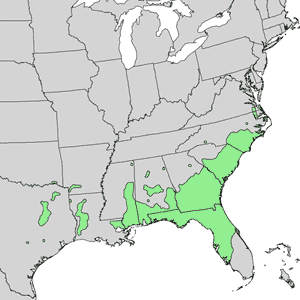
Quercus incana is a rapidly developing, arid-resistant variety characterized by coarse, deep gray bark and diminutive, blue-green foliage. The most suitable periods for trimming are from late winter to early spring, prior to the emergence of new shoots. Concentrate on excising deceased, ailing, or intersecting branches to facilitate air circulation and light exposure. Trimming boosts general well-being and averts branch snapping, particularly in older trees. Consistent seasonal trimming fosters a more robust framework and heightened resilience against infestations and ailments.
Advantages of Trimming Bluejack Oak
Advantages of Trimming Bluejack Oak
Bluejack oak benefits from trimming, which encourages robust development and helps keep an ideal form. Trimming promotes improved air circulation and light penetration, thereby fostering overall plant vitality and resistance to pests and illnesses. Timely trimming also supports optimal blooming and fruit production.
Optimal Period for Trimming Bluejack Oak
Optimal Period for Trimming Bluejack Oak
For bluejack oak, trimming during late winter to early spring is advisable. During this time, bluejack oak is in its dormant stage, which minimizes plant stress and reduces the risk of sap loss and pest infestation. As the plant enters its active growth phase soon after, it can recover more quickly from trimming cuts. Additionally, trimming before new growth starts ensures that the plant's shape and structure are properly maintained without disrupting its flowering or fruiting cycle.
Tools Required for Trimming Bluejack Oak
Hand Pruners
Perfect for making clean cuts on branches and twigs up to 1 inch in diameter, ideal for maintaining the overall shape and health of bluejack oak.
Loppers
Needed for cutting thicker branches between 1 to 2 inches. These are crucial for managing the dense, bushy growth typical of bluejack oak.
Pruning Saw
Essential for removing larger branches over 2 inches in diameter. Bluejack oak can develop thick limbs that require a saw for precise removal without harming the plant.
Pole Pruner
Useful for reaching and trimming higher branches safely, allowing gardeners to maintain and shape larger bluejack oak without needing a ladder.
How to Trim Bluejack Oak
Identify
Carefully examine bluejack oak to pinpoint dead and diseased branches. Dead branches may appear dry and brittle, while diseased branches might show signs of discoloration or unusual growths.
Sanitize tools
Before trimming, sterilize your trimming tools with a mixture of one part bleach to ten parts water. This helps prevent the spread of disease from infected branches to healthy parts of bluejack oak.
Trim dead branches
Using clean, sharp trimming shears or a saw, trim dead branches back to the main branch or trunk. Make clean cuts at a 45-degree angle, just above a bud, side branch, or the branch collar.
Remove diseased branches
Cut off diseased branches several inches below the affected area to ensure you remove all infected tissue. Dispose of these branches properly to avoid reinfection.
Inspect and monitor
After trimming, inspect bluejack oak regularly for any signs of new dead or diseased branches. Continuous monitoring and timely removal are crucial for maintaining plant health.
Common Trimming Errors with Bluejack Oak
Incorrect Timing
Trimming at the wrong time can expose bluejack oak to an increased risk of disease and pest invasion. Avoid trimming during peak growing seasons.
Over-pruning
Removing too much foliage can stress bluejack oak, impacting its overall health and growth. It's vital to trim judiciously to maintain balance.
Improper Cuts
Making improper cuts, such as cutting too close to the trunk or leaving stubs, can damage bluejack oak's natural healing process. Proper technique is essential.
Neglecting Tools
Using dull or dirty tools can introduce pathogens and cause ragged cuts that are harmful to bluejack oak. Always use clean, sharp tools for trimming.
Ignoring Dead or Diseased Wood
Failing to remove dead or diseased branches can lead to the spread of disease throughout bluejack oak. It's crucial to identify and remove compromised wood promptly.
Common Trimming Advice for Bluejack Oak
Selective Pruning
Focus on removing dead, diseased, or damaged branches first. This ensures you are promoting bluejack oak's health without unnecessary loss of healthy foliage.
Maintaining Structure
Trim to maintain bluejack oak's natural shape and structure. This not only aesthetically enhances the plant but also supports stronger growth.
Tool Maintenance
Regularly clean and sharpen your trimming tools. This minimizes the risk of disease transmission and ensures clean cuts for bluejack oak.
Gradual Pruning
Instead of heavy trimming at once, spread trimming tasks over multiple sessions. This reduces stress on bluejack oak and promotes steady growth.
Branch Angle
Make cuts at a 45-degree angle, just above an outward-facing bud. This encourages outward growth and reduces the risk of water damage and disease.



