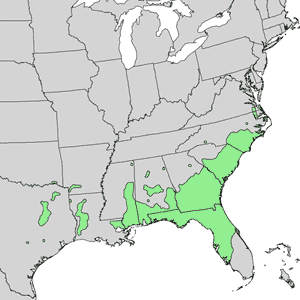
Bluejack oak (Quercus incana)
Also known as: Gray oak, Cinnamon oak
The Bluejack Oak is a resilient hardwood tree with a distinguished appearance. Its leathery, blue-green leaves have a soft, fuzzy underside. The tree's sturdy bark displays a mix of gray and white tones, providing a habitat for various wildlife. Commonly found in temperate forests, the Bluejack Oak adapts well to different soil conditions. It boasts a broad canopy with strong branches that produce acorns, serving as a vital food source for forest animals.
In This Article
Attributes of Bluejack oak
Lifespan
Perennial
Plant Type
Tree
Plant Height
11 m to 22 m
Spread
11 m
Leaf Color
Blue-green
Flower Size
The flowers are small and inconspicuous, typically less than 1 cm in diameter.
Flower Color
Yellowish-green
Images of Bluejack oak
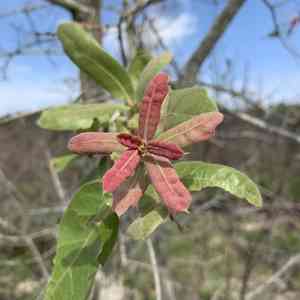
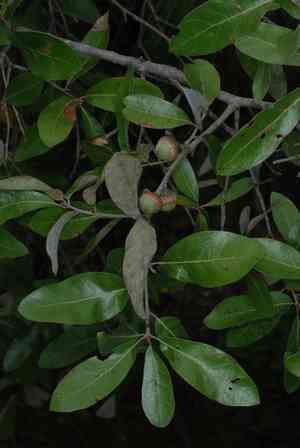
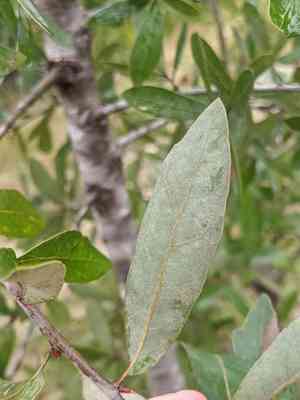
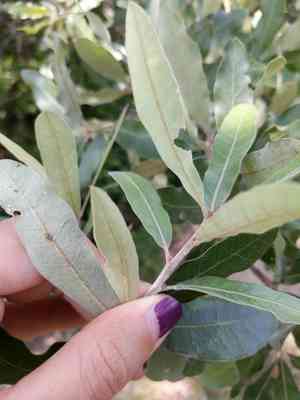
Quickly Identify Bluejack oak
1
Distinctive blue-green leaves with bristle-tipped lobes and leathery texture.
2
Male flowers in drooping yellowish-red catkins, 2-4 inches (5-10 cm) long.
3
Biennial round acorns, 1/2 inch (1.27 cm) diameter, with brown color and scalloped cup.
4
Rough-textured stem with reddish-brown oval buds and densely hairy, 5-angled twigs.
5
Thick, dark gray to black bark with deeply furrowed squares, providing tactile and visual texture.
Scientific Classification of Bluejack oak
Phylum
Vascular plants
Class
Dicotyledons
Order
Fagales
Family
Beech
Genus
Oaks
Species
Bluejack oak
Planting and Growing of Bluejack oak
Care Difficulty
Moderate
Watering Schedule
Every 2 days
Sunlight Requirements
Full sun
Sunshine Duration
6-10 hours
Ideal Temperature
60-75℉
Soil Type
Potting Mix, Peat Mix
Soil pH
6.5-7.5
Fertilizer Type
Balanced
Pruning Season
Spring, Summer
Pruning Area
Branches, Leaves
Pruning Frequency
2 times a year
Repotting Season
Spring
Pot Type
Plastic, Ceramic
 How to Water Bluejack oak?
Quercus incana prefers moderate watering. The goal is to thoroughly moisten the root ball without causing water to pool at the base, ensuring the soil is well-drained and not soggy.
What are the symptoms of an underwatered Bluejack oak?
›
What should I do if my Bluejack oak is not getting enough water?
›
What are the symptoms of an overwatered Bluejack oak?
›
How to save an overwatered Bluejack oak?
›
 What Are the Sunlight Requirements for Bluejack oak?
Quercus incana favors a combination of full sun to partial sun exposure. This exposure supports optimal photosynthesis, leading to robust growth and improved resilience against environmental stresses.
What is the ideal lighting condition for Quercus incana?
›
What solutions exist to achieve ideal lighting for Quercus incana?
›
What are the benefits of providing ideal light conditions for Quercus incana?
›
 What Is the Ideal Temperature Range for Bluejack oak?
The ideal temperature range for Quercus incana is between 60°F and 75°F. This range provides the most favorable conditions for its growth and development. Within these temperatures, the plant can efficiently perform photosynthesis and maintain its metabolic processes. Growth is optimal, and the risk of physiological stress is minimal, ensuring the plant remains healthy and vibrant.
 What Soil is Best for Bluejack oak?
Quercus incana thrives best in well-drained soils that allow excess water to escape quickly. This helps prevent root rot and other water-related issues, ensuring healthier growth. Rich, nutrient-laden soils provide essential minerals that Quercus incana needs to grow robustly. A soil that is regularly enriched with organic matter can sustain the tree's growth and health. While Quercus incana prefers well-drained conditions, soils that can retain some moisture without becoming waterlogged are ideal. This balance is crucial for maintaining consistent hydration during dry spells.
 How to Fertilize Bluejack oak?
When fertilizing Quercus incana, it is important to use a balanced fertilizer formula, such as a 10-10-10, at a rate of 1 pound per inch of trunk diameter. This amount will ensure that the tree receives adequate nutrients without risking over-fertilization.
 How to Prune Bluejack oak?
Before you start, inspect the tree for any dead, diseased, or damaged branches. These should be removed first as they can drain the tree’s resources and spread diseases to healthy parts. Prune to maintain the tree’s natural shape. Start by trimming back overgrown limbs and removing any intersecting or rubbing branches. This helps retain a balanced structure and avoid stress on the plant. Thin out the canopy by removing select branches to enhance light penetration and air circulation. This practice reduces the risk of fungal diseases and allows for healthier, more resilient foliage.
More About Pruning Techniques→
 How to Propagate Bluejack oak plant?
1
Gather acorns during the autumn season once they have fallen, ensuring they are mature and free from pest damage. Clean them thoroughly and store them in a cool, dry place until ready for sowing in early spring.
2
Sow seeds in a seed tray filled with well-draining potting mix. Place them just beneath the soil surface, and keep them moist. Coverage with a clear plastic cover will help maintain humidity until germination.
3
Select healthy scions and rootstocks. Cut the scion and rootstock to fit perfectly with each other, ensuring cambium layers align. Use grafting tape to secure the pieces together, promoting successful union.
 How to Repot Bluejack oak plant?
1
Look for visible roots through drainage holes, slow growth despite good conditions, or soil that dries out rapidly. These are signs your Quercus incana needs more space for root expansion, and repotting may be necessary.
2
Choose a pot that is 2-3 inches larger in diameter than the current one. Ensure it has drainage holes to avoid water logging, which can lead to root rot. The extra space promotes healthy root growth and ensures adequate room for expansion.
3
Opt for a loamy, well-draining soil mix that supports water retention while allowing excess moisture to escape. This helps maintain a balanced moisture level, preventing over-saturation that could harm root health.



