How to Propagate Bluejack oak?
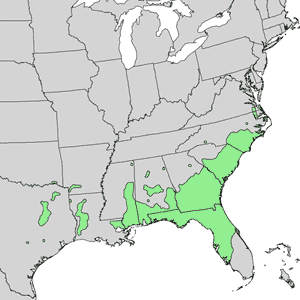
Quercus incana flourishes in sandy substrates and is ideal for drought-tolerant landscaping. Commonly located in the southeastern United States, it necessitates adequately drained earth and ample sunlight. Effective methods for propagating Quercus incana through cuttings involve choosing robust, semi-woody stem segments and applying rooting compound to stimulate root formation. Ensure steady hydration and offer a protected setting to safeguard nascent plants. Consistent observation aids in guaranteeing successful integration into the chosen site.
Optimal Period for Bluejack Oak Propagation
Propagation Method
Cutting
Propagation Period
Autumn,Winter
Tools for Bluejack Oak Propagation
Pruning Shears
Crucial for obtaining clean, precise cuttings from bluejack oak. Sharp shears minimize harm to the parent plant and boost rooting success by ensuring neat cuts.
Rooting Hormone
Aids in stimulating root development from bluejack oak cuttings by supplying essential hormones. This accelerates the rate and success of root formation.
Propagation Trays
Offers a controlled setting for bluejack oak cuttings to establish roots. Trays with individual cells or sections help manage multiple cuttings while lowering disease risk.
Humidity Dome
Maintains ideal humidity levels for bluejack oak cuttings, reducing moisture loss and creating a favorable microclimate, which is vital for successful rooting.
Sterilized Potting Mix
Provides a sterile growing medium to prevent fungal and bacterial infections, which is especially important when propagating bluejack oak to ensure healthy development.
Sharp Knife or Scalpel
Utilized for more precise cuts if pruning shears are too large. Perfect for making delicate incisions without crushing plant tissues in bluejack oak.
Labeling Stakes
Help keep track of cutting types and dates, essential for monitoring the progress and success of bluejack oak propagation.
Misting Bottle
Delivers gentle moisture to cuttings, ensuring they stay hydrated without saturating the soil. Important for maintaining the turgidity of bluejack oak cuttings.
How to Propagate Bluejack Oak?
Propagation Type
Moderately Difficult
Caring for Your Newly Propagated Bluejack Oak
Caring for Your Newly Propagated Bluejack Oak
Once bluejack oak plants are established, ensure consistent watering during their initial growing season to aid root development. Apply mulch around the base to retain moisture and suppress weeds. Fertilize sparingly, as excessive fertilization can harm young plants. Prune to shape and remove damaged branches. Monitor for pests and diseases, addressing issues promptly to maintain the health and vigor of bluejack oak plants.
Common Errors to Avoid When Propagating Bluejack Oak
Incorrect Soil Type
Using overly rich or heavy soil can hinder bluejack oak growth, as it prefers well-drained, sandy soils. Heavy, clay soils can lead to root rot and poor seedling establishment.
Overwatering
Providing too much water can result in waterlogged soil, which is detrimental to bluejack oak's roots, causing rot and mold issues.
Improper Seed Storage
Failing to store bluejack oak seeds in suitable conditions (cool, dry place) can reduce their viability and lead to poor germination rates.
Lack of Light
Insufficient sunlight for young bluejack oak seedlings can stunt their growth and weaken their overall health.
Inadequate Spacing
Planting bluejack oak seedlings too close together can lead to competition for nutrients, water, and sunlight, impeding their development.
Tips For Propagating Bluejack Oak
Use Correct Soil
Choose well-drained, sandy soil to mimic bluejack oak's natural environment, promoting healthy root development and growth.
Water Wisely
Water thoroughly but infrequently to keep the soil slightly moist but not waterlogged, preventing root rot.
Store Seeds Properly
Keep seeds in a cool, dry place to maintain their viability until you're ready to plant them.
Provide Adequate Light
Ensure seedlings receive ample sunlight, ideally placing them in a location that gets several hours of direct light daily.
Space Appropriately
Plant seedlings with enough space between them to reduce competition for resources and allow for healthy, vigorous growth.



