How to Prune Fragrant epaulette tree?
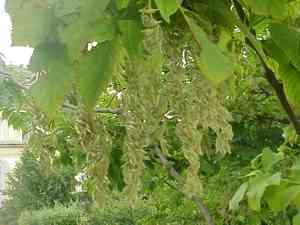
This deciduous tree, recognized for its aromatic pendulous bunches of white blossoms, thrives with trimming to preserve its form and vitality. Trim fragrant epaulette tree in late winter or early spring prior to the emergence of new foliage. Eliminate deceased, ailing, or intersecting limbs to foster air circulation and light infiltration. Reducing the density of the crown aids in cultivating a robust branch framework. Performing cuts after the blooming period safeguards the subsequent season's flowers. Refrain from severe reduction; concentrate on judicious, minimally intrusive cuts to encourage vigorous development.
What Are the Benefits of Pruning Fragrant Epaulette Tree?
What Are the Benefits of Pruning Fragrant Epaulette Tree?
Trimming fragrant epaulette tree promotes robust development by eliminating weak or lifeless branches, thereby channeling energy to more vital sections. Regular cutting helps preserve its decorative form, ensuring visual appeal and structural soundness.
What Is the Best Time for Pruning Fragrant Epaulette Tree?
What Is the Best Time for Pruning Fragrant Epaulette Tree?
The optimal period for pruning fragrant epaulette tree is from late winter to early spring. This timing is ideal because fragrant epaulette tree is dormant due to cooler temperatures, which minimizes stress and sap loss during the process. Late winter pruning allows for the removal of any dead or diseased branches before new growth begins. Early spring pruning is also suitable as it occurs just before fragrant epaulette tree's active growth phase, ensuring that fresh wounds heal quickly and new shoots have ample time to develop before the flowering season. By pruning during these times, gardeners can help fragrant epaulette tree maintain a strong framework, encourage healthy growth, and avoid cutting off buds that will produce the season's flowers. It is essential not to prune fragrant epaulette tree immediately after new growth starts, as this can lead to the loss of flowers and negatively impact the plant's vigor.
What Tools Do I Need to Prune Fragrant Epaulette Tree?
Hand Pruners
Perfect for making clean cuts on smaller branches and twigs of fragrant epaulette tree, crucial for maintaining its shape and removing dead or diseased wood.
Loppers
Fragrant epaulette tree can have thicker branches that hand pruners can't manage; loppers with their extended handles provide the necessary leverage for clean cuts on branches up to 1.5 inches in diameter.
Pruning Saw
For mature fragrant epaulette tree with branches exceeding 1.5 inches in thickness, a pruning saw enables precise cuts without harming the tree. This ensures rapid healing and prevents disease spread.
Pole Pruner
Since fragrant epaulette tree can reach considerable heights, a pole pruner might be needed to safely trim higher branches without using a ladder.
Hedge Shears
If fragrant epaulette tree is used as a formal hedge, hedge shears can create straight, neat edges along the sides and top of the hedge.
Pruning Gloves
To safeguard hands from scratches and the sap of fragrant epaulette tree, which might cause irritation to some skin types.
How to Prune Fragrant Epaulette Tree
Clean tools
Before beginning the pruning process for fragrant epaulette tree, sanitize the pruning tools to prevent disease transmission. Use a solution of one part bleach to nine parts water or rubbing alcohol to wipe down the blades.
Remove dead
Identify and remove any dead branches from fragrant epaulette tree with clean cuts using sharpened pruning tools. Make cuts at the base of the dead branch, close to the main stem or the nearest living lateral branch without harming the branch collar.
Inspect disease
Carefully examine fragrant epaulette tree for diseased branches, looking for signs such as discoloration, cankers, or unusual growth. Removing these is vital for fragrant epaulette tree's health.
Sanitize after diseased
After each cut of a diseased branch, re-sanitize the pruning tools to avoid spreading pathogens to healthy parts of fragrant epaulette tree. Repeat the sterilization process used in Step 1.
Dispose diseased material
Properly discard all removed dead and diseased branches away from fragrant epaulette tree to prevent recontamination. Do not compost these materials as they may harbor pathogens.
Common Pruning Mistakes with Fragrant Epaulette Tree
Over-pruning
A frequent error is removing too much of fragrant epaulette tree's foliage at once, which can stress the tree and result in poor growth or reduced flowering.
Improper cuts
Making incorrect cuts, such as leaving stubs or tearing the bark, can create entry points for pests and diseases, and impede fragrant epaulette tree's healing process.
Pruning healthy wood
Unnecessarily cutting away healthy branches can limit fragrant epaulette tree's flowering potential as it blooms on old wood.
Ignoring deadwood
Failing to remove dead or broken branches can lead to decay and pest infestation, which can be detrimental to fragrant epaulette tree's overall health.
Shearing
Shearing fragrant epaulette tree into formal shapes can compromise its natural graceful form and potentially reduce flowering.
Neglecting tool hygiene
Using dirty pruning tools can spread disease between plants. Clean cuts from sharp, clean tools are essential for fragrant epaulette tree's health.
Common Pruning Tips for Fragrant Epaulette Tree
Selective thinning
Remove specific branches to allow light and air to penetrate the canopy, which promotes healthy growth and flowering in fragrant epaulette tree.
Maintenance pruning
Periodically prune to remove any dead, diseased, or crossing branches to maintain the health and aesthetics of fragrant epaulette tree.
Shape retention
When shaping fragrant epaulette tree, preserve its natural form by following its growth pattern and making cuts that enhance its structure.
Post-bloom trimming
For shaping or size control, perform light pruning immediately after fragrant epaulette tree has finished blooming to avoid cutting off next year's flower buds.
Supportive structure
Ensure fragrant epaulette tree's branches are pruned in such a way that the remaining structure can support the weight of the flowers without sagging or breaking.
Rejuvenation approach
If fragrant epaulette tree needs to be rejuvenated due to overgrowth or age, spread intensive pruning over several years to avoid shocking the tree.