
Fragrant epaulette tree (Pterostyrax hispidus)
Also known as: Epaulettetree
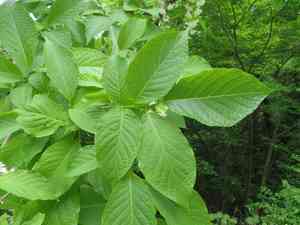
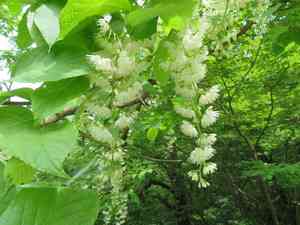
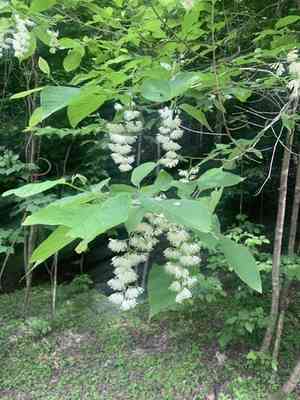
This substantial, spreading deciduous shrub can reach heights of up to 15 meters and spreads to about 12 meters wide. It features oval leaves that can grow as long as 20 cm. During the summer, it produces clusters of pure white, fragrant, hanging flowers.
In This Article
Attributes of Fragrant epaulette tree
Lifespan
Perennial
Plant Type
Tree
Plant Height
6 m to 9 m
Spread
6 m to 9 m
Leaf Color
Green
Flower Size
15 cm
Flower Color
White Cream
Images of Fragrant epaulette tree
Quickly Identify Fragrant epaulette tree
1
Deciduous tree with substantial canopy casting dense shade.
2
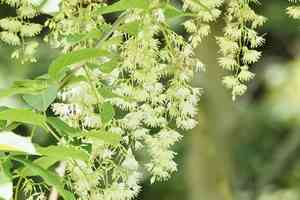
Creamy white flowers in pendant panicles with pleasant fragrance.
3
Leaves 3-7.5 inches (7.6-19 cm) long, dark green above, silvery green beneath, vibrant yellow in fall.
Scientific Classification of Fragrant epaulette tree
Phylum
Vascular plants
Class
Dicotyledons
Order
Ericales
Family
Storax
Genus
Epaulette Tree
Species
Fragrant epaulette tree
Planting and Growing of Fragrant epaulette tree
Care Difficulty
Moderate
Watering Schedule
Every 3 days
Sunlight Requirements
Full sun
Sunshine Duration
6-10 hours
Ideal Temperature
60-75℉
Soil Type
Potting Mix, Peat Mix
Soil pH
6.5-7.5
Fertilizer Type
Balanced
Pruning Season
Spring, Summer
Pruning Area
Branches, Leaves
Pruning Frequency
2 times a year
Repotting Season
Spring
Pot Type
Plastic, Ceramic
 How to Water Fragrant epaulette tree?
Pterostyrax hispidus thrives when watered thoroughly until the soil is evenly moist, mimicking a gentle rain. The water should seep to a depth of several inches, ensuring the root system receives adequate hydration. This kind of watering approach allows for deep root growth and helps the plant withstand dry periods.
What are the symptoms of an underwatered Fragrant epaulette tree?
›
What should I do if my Fragrant epaulette tree is not getting enough water?
›
What are the symptoms of an overwatered Fragrant epaulette tree?
›
How to save an overwatered Fragrant epaulette tree?
›
 What Are the Sunlight Requirements for Fragrant epaulette tree?
Pterostyrax hispidus flourishes in full to partial sun exposure, benefiting from 6 to 8 hours of light daily. This optimal range promotes blooming, enhances foliage, and contributes to its structural integrity by supporting full, healthy growth.
What is the ideal lighting condition for Pterostyrax hispidus?
›
How can I achieve the ideal sunlight exposure for this plant?
›
What benefits does ideal light exposure provide Pterostyrax hispidus?
›
 What Is the Ideal Temperature Range for Fragrant epaulette tree?
The ideal temperature range of 60 to 75°F ensures optimal growth and development for Pterostyrax hispidus. This range helps maintain the plant's metabolic activities, allowing it to effectively photosynthesize, respire, and maintain overall health. Outside of this range, the plant may experience stress, potentially inhibiting its growth and flowering capabilities.
 What Soil is Best for Fragrant epaulette tree?
Pterostyrax hispidus thrives best in soil that retains moisture without becoming waterlogged. This requirement ensures the plant receives consistent hydration, promoting lush green foliage and abundant flowering. A loamy or sandy loam soil is ideal as it can balance water retention and drainage effectively. This plant demands nutrient-rich soil to support its growth and flowering. A soil rich in organic matter provides the essential nutrients and microelements that enhance its growth rate, resulting in a fuller canopy and vibrant blooms. Well-drained soil is crucial to prevent root rot and other issues associated with excess moisture. Good drainage ensures that while the roots remain adequately moist, they are not subject to prolonged water exposure, which is vital for the plant's health and longevity.
 How to Fertilize Fragrant epaulette tree?
For Pterostyrax hispidus, when using liquid fertilizer, mix about 1 tablespoon per gallon of water. This ensures a balanced nutrient supply without overwhelming the plant. With slow-release fertilizers, apply around 1 cup per plant base, ensuring the granules are evenly distributed across the root zone to maintain consistent nutrient availability throughout the growing season.
 How to Prune Fragrant epaulette tree?
Prune Pterostyrax hispidus in early spring before new growth appears to minimize stress and maximize its flower production. If necessary, a light summer prune can also help tidy up any unruly branches. Wear gloves and eye protection to avoid injuries from sharp tools or falling debris. Additionally, clear up pruned material promptly to keep your garden tidy and prevent potential pest issues.
More About Pruning Techniques→
 How to Propagate Fragrant epaulette tree plant?
1
Soak the seeds of Pterostyrax hispidus in warm water for 24 hours. This process helps in softening the seed coat and accelerates germination by breaking seed dormancy.
2
Scatter the seeds evenly in a seed tray filled with a well-draining soil mix. Cover them lightly with soil, as they require some light for germination, typically germinating within 2-4 weeks.
3
Select healthy, semi-hardwood stems and cut sections of about 10-15cm. Remove lower leaves to reduce moisture loss, and dip the cut end in rooting hormone to encourage root development.
 How to Repot Fragrant epaulette tree plant?
1
Pterostyrax hispidus should be repotted when you see roots appearing through the drainage holes of the current pot or when growth becomes stunted. Another sign is when the plant seems to be drying out more quickly than usual, indicating that the pot has become too crowded. Repotting is best done during the active growing seasons of spring and autumn, allowing the plant to acclimatize most effectively.
2
Select a pot that is one size larger than the current one, with adequate drainage holes to prevent waterlogging. A pot that is too large can retain excess moisture, leading to root rot, while an appropriately sized pot encourages healthy root expansion. The material of the pot can be either terracotta, which provides breathability, or a plastic pot, which retains moisture slightly better, depending on the humidity needs of your environment.
3
Choose a well-drained loamy soil to ensure that excess water can easily escape, preventing waterlogged conditions that can harm the roots. This type of soil strikes a perfect balance by holding enough moisture to support one hydration session while draining excess to avoid rot. Enriching the soil with organic matter like compost can also supplement it with essential nutrients, promoting vigorous growth post-repotting.
Learn More About Fragrant epaulette tree Diseases
Anthracnose
Bacterial Leaf Spot
Black Spot
Chemical Injury
Crown Gall
Damping-off
Downy Mildew
Drought Stress
Fusarium Wilt
Gray Mold
Leaf Curl
Leaf Spot
Mosaic
Nutrient Deficiency
Nutrient Toxicity
Powdery Mildew
Root Rot
Root-knot Nematode
Rusts
Sooty Mold
Spider Mites
Temperature Stress
Thrips Damage
White Mold



