The Fragrant epaulette tree Plant Advantage: Maximizing Home and Office Appeal and Wellness
1
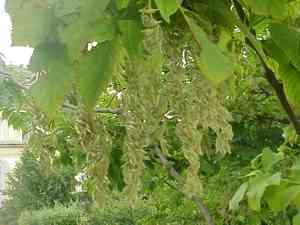
The fragrant epaulette tree is recognized for its aromatic and appealing blossoms.
2
This tree requires minimal upkeep and is hardy across diverse weather conditions.
3
The fragrant epaulette tree offers considerable decorative appeal to outdoor spaces and scenery.
What Makes Fragrant epaulette tree Unique?
Fragrant Blooms
The Fragrant epaulette tree is known for its lovely, scented flowers that appear in clusters during late spring and early summer. Its white, hanging blossoms release a sweet aroma, drawing in pollinators like bees and butterflies, thereby supporting local biodiversity. The beauty and scent of these flowers make the Fragrant epaulette tree a popular choice for decorative purposes.
Attractive Foliage
Beyond its flowers, the tree features appealing, oval-shaped leaves that form a dense green canopy. The leaves change to yellow in autumn, adding a burst of seasonal color to your garden. This foliage not only boosts your landscape's visual appeal but also provides a shaded spot during warmer months.
How to Incorporate Fragrant epaulette tree into Your Garden?
Ideal Planting Conditions
The Fragrant epaulette tree thrives in well-drained soil with a slightly acidic to neutral pH. Select a planting location that receives full or partial sunlight to ensure optimal development. It's best to plant this tree in spring or fall when the weather is milder, allowing its roots to establish more firmly before extreme temperatures arrive.
Spacing and Growth
When planting multiple Fragrant epaulette trees, ensure sufficient space between them to accommodate their mature size. These trees can reach up to 30 feet tall and need room for their branches to spread comfortably. Proper spacing also helps maximize air circulation, reducing the risk of disease.
What Are the Benefits of Fragrant epaulette tree?
Low Maintenance
One significant advantage of the Fragrant epaulette tree is its minimal maintenance requirements. Once established, the tree is quite drought-tolerant and can withstand various harsh weather conditions. This makes it an excellent option for gardeners who desire beauty without the burden of extensive care.
Erosion Control
The Fragrant epaulette tree possesses a strong root system that can help stabilize soil, making it an ideal choice for preventing erosion. Planting this tree on slopes or hillsides can stop soil erosion and help maintain your landscape's integrity. Its roots also improve soil structure and fertility over time.
How to Properly Care for Fragrant epaulette tree?
Watering and Fertilization
While the Fragrant epaulette tree is relatively drought-tolerant, it's still crucial to water it regularly during its initial growing season to establish a robust root system. Afterward, occasional deep watering during extended dry periods will suffice. Fertilize the tree in early spring with a balanced fertilizer to promote healthy growth and abundant blooms.
Pruning and Disease Control
To maintain the shape and health of the Fragrant epaulette tree, regular pruning is essential. Remove any dead, damaged, or diseased branches to prevent infection spread and encourage new growth. Additionally, monitor the tree for signs of common pests, such as aphids and mites, and treat any infestations promptly to keep the tree healthy.
Are There Any Environmental Benefits of Fragrant epaulette tree?
Improving Air Quality
Trees like the Fragrant epaulette tree play a vital role in enhancing air quality. They absorb carbon dioxide and release oxygen, contributing to a healthier atmosphere. By planting the Fragrant epaulette tree in your garden, you are not only beautifying your space but also taking a step towards a cleaner environment.
Supporting Wildlife
The Fragrant epaulette tree serves as a habitat for various wildlife, including birds, insects, and small mammals. Its flowers attract pollinators, while the tree offers shelter and nesting sites for birds. This not only boosts your garden's ecological diversity but also supports local wildlife conservation efforts.