How to Prune Yoshino cherry?
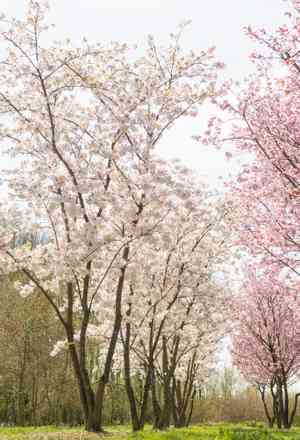
This decorative tree, recognized for its light pink flowers, thrives with trimming to preserve its form and stimulate robust development. Effective pruning for yoshino cherry entails eliminating lifeless or ailing branches, reducing dense sections, and shortening excessively long limbs. The most suitable period for pruning is in late winter or early spring, prior to the appearance of new foliage and blooms. Pruning during this window aids in averting ailments and enables cultivators to sculpt the tree without hindering its flowering. Key aspects involve executing precise cuts and refraining from excessive trimming to safeguard the tree's inherent structure.
What Are the Benefits of Pruning Yoshino Cherry?
What Are the Benefits of Pruning Yoshino Cherry?
Trimming yoshino cherry encourages robust development and helps maintain its desired form, ensuring abundant blossoms. By eliminating dead or congested branches, it boosts the plant's vigor and overall visual appeal.
What Is the Best Time for Pruning Yoshino Cherry?
What Is the Best Time for Pruning Yoshino Cherry?
Pruning yoshino cherry in late winter or early spring is considered ideal because these periods precede the plant's new growth phase and blooming season. During late winter, yoshino cherry remains dormant, which minimizes pruning stress and disease risk. This timing allows gardeners to clearly view the plant's structure without leaf obstruction, aiding in precise cuts. Early spring pruning aligns with the start of yoshino cherry's growth cycle, ensuring energy is directed to new, healthy growth and wounds heal quickly. This timing also prevents the removal of buds that will become the current year's flowers, crucial for yoshino cherry's ornamental value. Pruning after spring flowering is not advised for yoshino cherry, as it may lead to the loss of the following year's blooms.
What Tools Do I Need to Prune Yoshino Cherry?
Hand Pruners
Perfect for cutting small branches (up to 3/4 inch thick) on yoshino cherry, ensuring accurate and clean cuts for healthy development.
Lopping Shears
These are excellent for larger branches (up to 1 1/2 inches thick) that hand pruners cannot manage, as yoshino cherry may have some thicker growth.
Pruning Saw
For the thickest branches (over 1 1/2 inches thick), a pruning saw provides clean cuts without harming yoshino cherry.
Pole Pruner
To reach elevated branches without a ladder, a pole pruner is a safe choice for maintaining the canopy of yoshino cherry.
How to Prune Yoshino Cherry
Identify
Examine yoshino cherry for dead or diseased branches, which are often darker, brittle, or show signs of fungal growth or bark damage. Look for branches that do not produce flowers or leaves during the growing season as an indication of dead wood needing removal.
Disinfect
Clean and sanitize your pruning tools before and after trimming yoshino cherry to prevent disease spread. Use a solution of one part bleach to nine parts water or a commercial disinfectant designed for gardening tools.
Cut
Using sharp, clean pruning shears, make cuts on dead or diseased branches of yoshino cherry at a 45-degree angle approximately 1/4 inch above a healthy bud or branch junction. Be careful to avoid tearing the bark or leaving a stub, as this can lead to further disease and damage.
Thinning
Thin out crowded branches on yoshino cherry to improve air circulation and light penetration, which can help prevent disease. Remove entire branches at their point of origin but avoid excessive pruning, as this can stress yoshino cherry and reduce flowering.
Wound Care
After removing dead or diseased wood, apply wound sealant to larger cuts on yoshino cherry to protect the exposed wood from pests and diseases. Using sealants is a debated practice, but it may be beneficial on trees prone to disease.
Common Pruning Mistakes with Yoshino Cherry
Over-Pruning
Removing too much of yoshino cherry's canopy in a single session can shock the tree, leading to poor growth and fewer blooms.
Improper Cuts
Making cuts that are either too close or too far from the bud can impede healing, leading to disease entry and branch dieback.
Tearing Bark
Tearing the bark during pruning creates open wounds that attract pests and diseases, and can harm the tree's overall health.
Neglecting Tools
Using dull or dirty tools can cause ragged cuts that damage yoshino cherry and increase the risk of spreading diseases between plants.
Ignoring Shape
Failing to consider yoshino cherry's natural form when pruning can result in an unbalanced tree with poor structure and aesthetics.
Common Pruning Tips for Yoshino Cherry
Sharp Tools
Use clean, sharp pruning shears to make precise cuts, ensuring quick healing and reduced stress on yoshino cherry.
Angled Cuts
Make cuts at a 45-degree angle approximately 1/4 inch above outward-facing buds to promote good water runoff and healthy new growth in the desired direction.
Thinning
Thin out yoshino cherry by removing selected branches to increase light penetration and air circulation, which helps prevent fungal diseases and promotes a strong structure.
Crown Cleaning
Remove dead, diseased, and rubbing branches from yoshino cherry to maintain plant health and enhance its appearance without hindering its natural growth habit.
Considerate Timing
While the best season for pruning is not to be mentioned, it is crucial to prune at the right stage in yoshino cherry's growth cycle to prevent stress and maximize flowering.



