How to Prune Bird's-eye primrose?
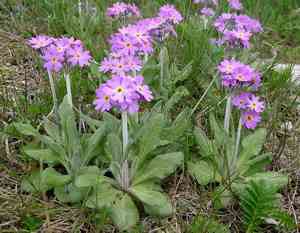
The striking Primula farinosa, known for its appealing rosettes and groupings of violet blossoms, flourishes optimally with light trimming to eliminate spent blooms and preserve its dense form. The perfect times for pruning are late spring or early summer, following the primary flowering stage. This targeted deadheading stimulates further blooming and deters the plant from over-seeding. Consistent elimination of withered leaves also fosters more robust development and elevates the plant's visual charm.
What Are the Benefits of Pruning Bird's-eye Primrose?
What Are the Benefits of Pruning Bird's-eye Primrose?
Trimming bird's-eye primrose encourages robust development and helps maintain its compact form, crucial in garden settings for visual appeal and space management. It fosters healthier, denser foliage and ensures the plant remains aesthetically pleasing.
What Is the Best Time for Pruning Bird's-eye Primrose?
What Is the Best Time for Pruning Bird's-eye Primrose?
Pruning or trimming bird's-eye primrose during the spring and summer seasons aligns with its active growth phase. In spring, trimming back old or dead foliage stimulates new growth and helps the plant direct its energy towards producing robust, healthy leaves and stems. Summer pruning, especially after the initial flowering, promotes a second bloom and maintains the aesthetic appeal of the plant. These seasons also provide the plant ample time to recover and strengthen before the dormancy of winter, ensuring overall health and vigor.
What Tools Do I Need to Prune Bird's-eye Primrose?
Floral Snips
Perfect for making precise cuts on bird's-eye primrose's delicate stems, these lightweight snips offer accuracy and minimize plant damage, helping preserve its health and attractive shape.
Small Garden Scissors
These are ideal for deadheading and trimming back old flowers of bird's-eye primrose, allowing for a clean cut that encourages more blooms and lowers disease risk.
Hand Pruners
Suitable for thicker stem sections or removing dead foliage from bird's-eye primrose, hand pruners ensure clean and efficient cuts without crushing stem tissues, which is crucial for plant health.
How to Prune Bird's-eye Primrose
Identify
Examine bird's-eye primrose closely to pinpoint diseased or withered leaves as well as any affected stems. Look for discolored, spotted, or structurally distorted leaves and stems which might indicate disease or decay.
Sanitize
Before beginning the pruning process, disinfect your pruning tools with a solution of 1 part bleach to 9 parts water. Prevent the spread of disease between plants by cleaning the tools before and after use.
Prune diseased leaves
Carefully remove diseased leaves from bird's-eye primrose. Use a sharp pair of scissors or secateurs to make a clean cut at the base of the leaf without damaging the stem. Ensure removal of all the affected parts to prevent further spread of disease.
Prune withered leaves
Remove any withered leaves by making clean cuts at the base of each leaf. Withered leaves are those that have naturally died back and are dry or crispy, potentially causing unnecessary energy expenditure for bird's-eye primrose.
Prune diseased stems
If any stems are diseased, carefully cut these back to healthy tissue. Ensure the cut is made just above a leaf node or bud, which will help encourage bird's-eye primrose to produce new healthy growth.
Common Pruning Mistakes with Bird's-eye Primrose
Overpruning
Cutting too much of bird's-eye primrose's foliage can hinder its ability to photosynthesize effectively, leading to reduced vigor and fewer blooms.
Incorrect cutting technique
Using dull or dirty tools can harm the delicate stems of bird's-eye primrose, leading to bruising or disease entry.
Pruning at the wrong time
Removing faded flowers or dead leaves at inappropriate times can cause unnecessary stress on bird's-eye primrose, disrupting its natural growth and flowering cycle.
Common Pruning Tips for Bird's-eye Primrose
Use appropriate tools
Employ sharp, clean pruning shears to make clean cuts on bird's-eye primrose, which will help prevent damage and disease.
Prune dead or fading flowers
Regularly remove dead or fading flowers from bird's-eye primrose to promote further blooming and maintain plant aesthetics.
Maintenance pruning
Carry out light maintenance pruning to remove dead or diseased foliage, which helps in encouraging healthy growth and flowering by improving airflow and reducing disease incidence.



