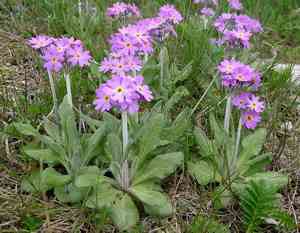
Bird's-eye primrose (Primula laurentiana)
Also known as: St. Lawrence Primrose
Bird's-eye primrose is a charming perennial wildflower known for its pink or purple blooms. It usually thrives in damp, lime-rich environments such as meadows, fens, and riverbanks throughout northern and central Europe. This plant is well-suited to the moist, calcareous soils it inhabits.
In This Article
Attributes of Bird's-eye primrose
Lifespan
Perennial
Plant Type
Herb
Plant Height
10-25 cm
Spread
N/A
Leaf Color
Green
Flower Size
1-2 cm
Flower Color
Purple Pink
Images of Bird's-eye primrose
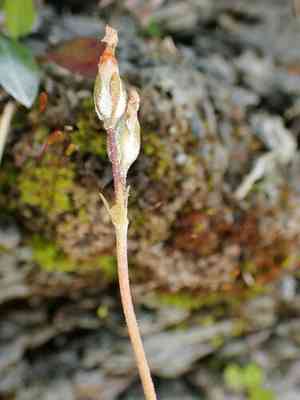
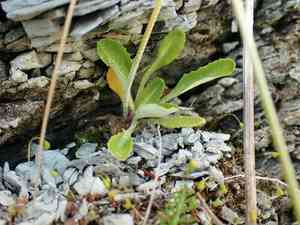
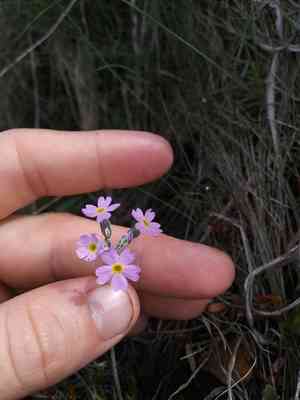
Quickly Identify Bird's-eye primrose
1
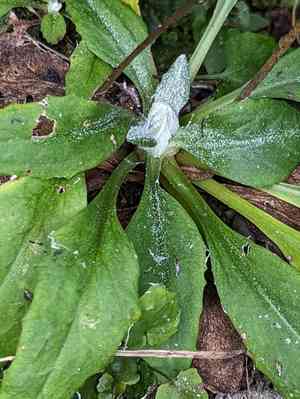
This plant can be identified by its basal rosette of leaves and its clusters of small, pink to purple flowers. These flowers typically have a yellow center and appear in the late spring to early summer.
Scientific Classification of Bird's-eye primrose
Phylum
Vascular plants
Class
Dicotyledons
Order
Ericales
Family
Primrose
Genus
Primroses
Species
Bird's-eye primrose
Planting and Growing of Bird's-eye primrose
Care Difficulty
Easy
Watering Schedule
Every 3 days
Sunlight Requirements
Partial sun
Sunshine Duration
6-12 hours
Ideal Temperature
50-65℉
Soil Type
Potting Mix, Peat Mix
Soil pH
6.5-7.5
Fertilizer Type
Balanced
Pruning Season
Spring, Summer
Pruning Area
Branches, Leaves
Pruning Frequency
2 times a year
Repotting Season
Spring
Pot Type
Plastic, Ceramic
 How to Water Bird's-eye primrose?
Primula laurentiana prefers consistently moist but not soggy soil. Aim to water the plant until the top 2-3 inches of soil are moist to the touch. This typically requires around 250 ml of water per session, depending on the size of the pot and environmental conditions.
What are the symptoms of an underwatered Bird's-eye primrose?
›
What should I do if my Bird's-eye primrose is not getting enough water?
›
What are the symptoms of an overwatered Bird's-eye primrose?
›
How to save an overwatered Bird's-eye primrose?
›
 What Are the Sunlight Requirements for Bird's-eye primrose?
For optimal growth, Primula laurentiana benefits from partial sun exposure (4 to 6 hours daily). This balance supports vibrant coloring and promotes healthy bloom cycles without over-stressing the plant.
What is the best lighting for Primula laurentiana?
›
How can I achieve ideal lighting conditions?
›
What are the benefits of optimal lighting?
›
 What Is the Ideal Temperature Range for Bird's-eye primrose?
The ideal temperature range for growing Primula laurentiana is between 50°F and 65°F. This range provides an optimal environment that supports healthy growth and development, ensuring the plant can photosynthesize efficiently and maintain robust physiological functions. Temperatures in this range mimic the natural climate where this plant thrives, allowing it to display vibrant foliage and flowers.
 What Soil is Best for Bird's-eye primrose?
Primula laurentiana thrives in soil that retains moisture well, helping to ensure constant hydration. This is crucial for the plant's robust growth and blooming, as too much dryness can quickly lead to stress and poor performance. Nutrient-rich soil provides essential nourishment that enhances the overall health and vitality of Primula laurentiana. A well-fertilized loamy soil helps in producing vibrant blooms and lush foliage. Efficient drainage prevents waterlogging, which can lead to root rot. For Primula laurentiana, a balance between moisture retention and drainage is vital to avoid suffocating roots while maintaining necessary hydration levels.
 How to Fertilize Bird's-eye primrose?
For Primula laurentiana, it is best to use a balanced 10-10-10 liquid fertilizer at a rate of half a teaspoon per gallon of water. This ensures the plant receives adequate nutrients without the risk of over-fertilization.
 How to Prune Bird's-eye primrose?
Start by inspecting your Primula laurentiana for any dead or diseased leaves. Use sterilized pruning shears to remove these first, cutting back to healthy tissue. Trim leggy stems to stimulate new growth; aim for a balanced shape. Avoid cutting more than one-third of the plant at a time to prevent stress.
More About Pruning Techniques→
 How to Propagate Bird's-eye primrose plant?
1
Collect seeds from mature Primula laurentiana plants once the seed pods have dried. Gently open the pods over a clean surface to avoid losing any seeds and store them in a cool, dark place until planting.
2
Select healthy, non-flowering stems for cuttings. Use sharp pruning shears to make a clean cut below a node. Remove the lower leaves to prevent rotting and soak the cut end in rooting hormone to enhance root development.
3
Division is best done in the early spring. Carefully dig up mature Primula laurentiana and shake off excess soil. Gently separate the plant into smaller sections, ensuring each has healthy roots before replanting.
 How to Repot Bird's-eye primrose plant?
1
Signs that Primula laurentiana needs repotting include roots growing through drainage holes, soil drying out quickly after watering, or stunted growth. The best time to repot is early spring or summer when the plant is most actively growing.
2
Select a pot that is slightly larger than the current one with adequate drainage holes. A pot too large can retain excess moisture, leading to root rot, while one that's too small can hinder root development, affecting overall health.
3
Use a well-draining potting mix, enriched with organic matter. A good soil mix prevents waterlogging while providing essential nutrients, promoting healthy root growth and robust flowering.
Learn More About Bird's-eye primrose Diseases
Anthracnose
Bacterial Leaf Spot
Bacterial Soft Rot
Bacterial Wilt
Chemical Injury
Crown Gall
Cyst Nematode
Damping-off
Downy Mildew
Drought Stress
Fusarium Wilt
Gray Mold
Leaf Spot
Mosaic
Nutrient Deficiency
Nutrient Toxicity
Powdery Mildew
Root Rot
Root-knot Nematode
Rusts
Sooty Mold
Spider Mites
Temperature Stress
Thrips Damage
White Mold



