How to Propagate Bird's-eye primrose?
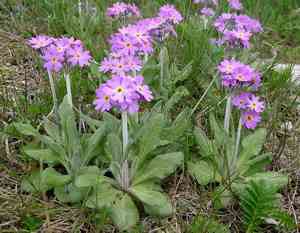
Primula farinosa flourishes when reproduced via cuttings, offering a convenient and effective technique for cultivators. Begin with robust, pathogen-free donor plants to guarantee optimal outcomes. Detach a section from the non-blooming stems in the morning hours to preserve hydration. Apply a rooting stimulant to the severed tip prior to embedding it in a well-aerated, damp medium. Ensure diffused illumination and maintain consistent moisture in the medium until root systems develop.
Optimal Time for Bird's-eye Primrose Propagation
Propagation Method
Cutting
Propagation Period
Spring,Summer
Tools Required for Bird's-eye Primrose Propagation
Sharp pruning shears
These are vital for making clean, precise cuts on bird's-eye primrose. Sharp blades ensure smooth cuts, preventing tissue damage, which is key for disease prevention and promoting quick healing and root development.
Rooting hormone
This chemical compound stimulates root formation at the cut site of bird's-eye primrose. It boosts the success rate of cuttings by encouraging faster root initiation, crucial for new plant establishment.
Sterilized potting mix
A sterile, well-draining potting medium offers an ideal setting for new bird's-eye primrose roots to grow, free from soil-borne pathogens. Good air circulation and drainage are critical to prevent root rot during the sensitive initial rooting phases.
Propagation trays
These trays are used to arrange and support bird's-eye primrose cuttings. With multiple compartments, they help maintain proper spacing and support for individual cuttings, preventing overcrowding, ensuring adequate airflow, and reducing fungal infection risks.
Plastic covers or humidity domes
These covers create a moist microclimate around bird's-eye primrose cuttings, helping to retain moisture in the plant tissues. This environment is essential for encouraging rooting in cuttings that need constant humidity to prevent drying out before roots form.
Heating mats
Optional but beneficial, especially in cooler climates, heating mats provide a warm rooting environment that can significantly enhance bird's-eye primrose rooting success. Warm soil temperatures are known to improve root growth and accelerate the propagation process.
How to Propagate Bird's-eye Primrose?
Propagation Type
Easy
Caring for Your Newly Propagated Bird's-eye Primrose
Caring for Your Newly Propagated Bird's-eye Primrose
Post-propagation, gradually introduce new bird's-eye primrose plants to less humid conditions by progressively removing the plastic cover over several days. Position them in a spot with indirect light, avoiding direct sun to prevent scorching. Water moderately, allowing the topsoil to dry between waterings. Fertilize lightly with a balanced, water-soluble fertilizer every 4-6 weeks during the growing season. As the plant matures, regular deadheading will promote more blooms.
Common Errors to Avoid When Propagating Bird's-eye Primrose
Overwatering
Excessive watering can cause root rot in bird's-eye primrose, which prefers moist but well-drained soil. Too much moisture hinders root respiration, leading to decay.
Deep planting
Sowing bird's-eye primrose seeds too deeply can impede germination as they require light to initiate growth. Deeply planted seeds may not receive enough light, hindering their development.
Neglecting humidity
Failing to maintain a humid environment for bird's-eye primrose, especially when propagating via cuttings, can cause the cuttings to dry out before roots establish, severely reducing propagation success.
Tips for Propagating Bird's-eye Primrose
Appropriate soil mix
Using a light, well-draining soil mix helps prevent waterlogging while retaining sufficient moisture for bird's-eye primrose growth. Adding perlite or vermiculite can improve drainage and aeration.
Surface sowing
Sow bird's-eye primrose seeds on the soil surface and gently press them into the medium without covering them. This light exposure is crucial for optimal seed germination.
Humidity control
Creating a humid microenvironment is essential when propagating bird's-eye primrose through cuttings. A humidity dome or a simple plastic bag can help maintain the necessary humidity levels until the cuttings root.



