How to Prune Villous cinquefoil?
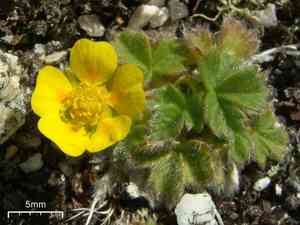
This enduring herbaceous plant, characterized by its palmate foliage and golden blossoms, thrives with consistent trimming to foster robust development. For villous cinquefoil, remove any lifeless or frail stalks in the early spring season to revitalize and sculpt the specimen. During summer, pruning can involve deadheading spent blooms to stimulate ongoing flowering and deter unwanted self-propagation. Strategic pruning preserves villous cinquefoil's dense structure and boosts floral output, guaranteeing the plant's vitality and visual charm.
What Are the Benefits of Pruning Villous Cinquefoil?
What Are the Benefits of Pruning Villous Cinquefoil?
Trimming villous cinquefoil promotes robust development and helps maintain its desired form. This action stimulates fresh, healthy growth and can result in a denser, more attractive appearance.
What Is the Best Time for Pruning Villous Cinquefoil?
What Is the Best Time for Pruning Villous Cinquefoil?
Pruning villous cinquefoil in late spring coincides with the period after flowering, allowing gardeners to shape the plant and remove spent blooms without negatively affecting the subsequent year's growth and flowering cycle. Early summer trimming permits the removal of any remaining dead or diseased branches, helping to encourage healthy new growth and preserve the plant's visual appeal. This timing also ensures that villous cinquefoil has ample time to recover before winter, reducing the risk of illness and cold damage to fresh cuts.
What Tools Do I Need to Prune Villous Cinquefoil?
Bypass hand pruners
Villous cinquefoil typically has slender stems requiring neat, precise cuts. Bypass pruners operate like scissors, with two sharp blades passing each other to make a clean cut. This prevents crushing the stems, which could otherwise harm the plant and make it vulnerable to diseases.
Pruning shears
For shaping villous cinquefoil or cutting back longer, woody stems where greater accuracy is needed, pruners enable gardeners to make healthy cuts on branches too large for hand pruners. They are particularly effective for seasonal trimming, shaping, and maintaining the desired size of villous cinquefoil.
Gardening gloves
Protective gloves will guard against thorns and rough plant material when handling villous cinquefoil. Gloves also provide a firmer grip on the tools used for pruning.
Loppers
If villous cinquefoil has matured and developed larger branches over time, loppers may be necessary. They offer more leverage for cutting thicker branches that hand pruners cannot manage, ensuring a healthy cut without excessive strain on the gardener.
How to Prune Villous Cinquefoil
Sanitation
Before starting to prune villous cinquefoil, ensure all pruning tools are cleaned and sterilized to prevent the spread of disease.
Removal of diseased leaves
Carefully remove any diseased leaves from villous cinquefoil, taking care to minimize harm to healthy foliage and stems.
Removal of withered leaves
Trim away withered or dead leaves from villous cinquefoil, which will promote improved air circulation and light penetration for healthy development.
Removal of diseased stems
Cut back any diseased stems on villous cinquefoil to healthy tissue, ensuring cuts are made at a slight angle to prevent water accumulation that could encourage disease.
Disposal
Properly dispose of all removed diseased and withered material to prevent reinfection or spread of disease within villous cinquefoil or to other plants.
Common Pruning Mistakes with Villous Cinquefoil
Overpruning
Removing too much foliage at once can stress villous cinquefoil, impeding its growth and vigor.
Blunt tools
Using dull or unsanitized pruning shears can cause unnecessary damage and create jagged cuts that are more prone to disease.
Improper cut location
Cutting too close to the main stem or above the bud can lead to dieback and potentially harm new growth.
Tearing stems
Ripping or tearing the stems instead of making a clean cut can cause harm to villous cinquefoil and may lead to disease infiltration.
Common Pruning Tips for Villous Cinquefoil
Clean cuts
Ensure that cuts are made with sharp, clean tools to minimize damage and help villous cinquefoil heal more quickly and cleanly.
Diagonal cuts
Make cuts at a 45-degree angle about 1/4 inch above buds facing outwards to prevent water accumulation and encourage outward growth.
Thinning
Thin out some of the inner branches to improve air circulation and light penetration, which helps prevent disease and promotes more vigorous growth.
Shaping
Focus on shaping villous cinquefoil for a balanced structure, which entails removing crisscrossing branches to create an aesthetically pleasing form.



