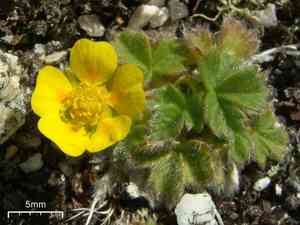
Villous cinquefoil (Potentilla villosa)
Also known as: Northern cinquefoil
Villous cinquefoil, a low-growing perennial, thrives in meadows, coastal regions, and along beaches. It often takes root in rocky areas, crevices, and on sea bluffs. This plant is notable for its dense, hairy foliage, setting it apart from other Potentilla species.
In This Article
Attributes of Villous cinquefoil
Lifespan
Perennial
Plant Type
Herb
Plant Height
20 cm to 30 cm
Spread
0.3-0.6 meters
Leaf Color
Green with silvery or woolly hairs
Flower Size
1-2 cm
Flower Color
Yellow
Images of Villous cinquefoil
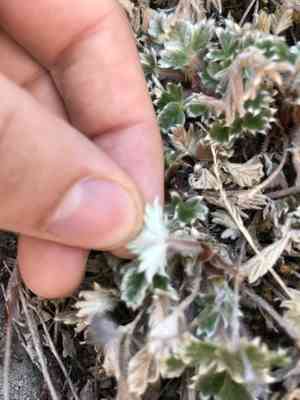
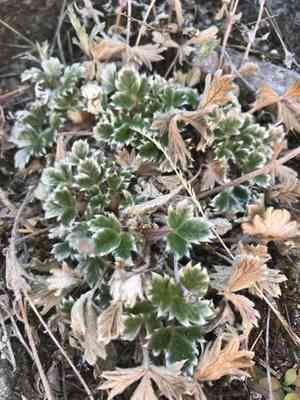

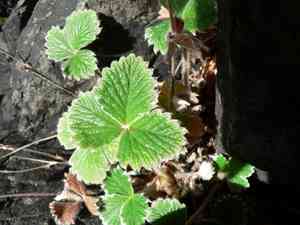
Quickly Identify Villous cinquefoil
1
Look for its distinctive hairy leaves and bright yellow flowers. The plant typically grows low to the ground and forms mats or low clumps.
Scientific Classification of Villous cinquefoil
Phylum
Vascular plants
Class
Dicotyledons
Order
Rosales
Family
Rose
Genus
Cinquefoils
Species
Villous cinquefoil
Planting and Growing of Villous cinquefoil
Care Difficulty
Easy
Watering Schedule
Every 3 days
Sunlight Requirements
Full sun
Sunshine Duration
6-10 hours
Ideal Temperature
50-65℉
Soil Type
Potting Mix, Peat Mix
Soil pH
5.5-7.5
Fertilizer Type
Balanced
Pruning Season
Spring, Summer
Pruning Area
Branches, Leaves
Pruning Frequency
2 times a year
Repotting Season
Spring
Pot Type
Plastic, Ceramic
 How to Water Villous cinquefoil?
When watering Potentilla villosa, aim to thoroughly moisten the soil, approximately 150 ml per session, ensuring the water reaches the root zone without waterlogging. The goal is to keep the soil consistently damp but not soaked, preventing both dehydration and root rot.
What are the symptoms of an underwatered Villous cinquefoil?
›
What should I do if my Villous cinquefoil is not getting enough water?
›
What are the symptoms of an overwatered Villous cinquefoil?
›
How to save an overwatered Villous cinquefoil?
›
 What Are the Sunlight Requirements for Villous cinquefoil?
Potentilla villosa prefers full to partial sun. Ideal light exposure ensures robust blooming, enhanced coloration, and resistance to diseases and pests.
What is the ideal sunlight condition for Potentilla villosa?
›
How to achieve ideal sunlight for Potentilla villosa?
›
What benefits does Potentilla villosa gain from ideal lighting?
›
 What Is the Ideal Temperature Range for Villous cinquefoil?
The ideal temperature range for growing Potentilla villosa is between 50°F and 65°F. This range ensures optimal growth, vibrant foliage, and healthy flowering. Potentilla villosa thrives in cooler climates, making it perfect for regions with mild summers.
 What Soil is Best for Villous cinquefoil?
Potentilla villosa thrives in well-drained soil as it prevents root rot, a common issue in overly moist conditions. This type of soil ensures that the plant has adequate oxygen supply to its roots, promoting healthy growth and vibrant blooms. The plant benefits from soil that retains moderate moisture. This moisture level facilitates nutrient uptake without suffocating the roots. It ensures sustained hydration during dry spells while preventing the detrimental effects of waterlogging. Infusing the soil with organic matter like compost boosts its fertility, supplying Potentilla villosa with essential nutrients. This enrichment supports robust foliage growth and a prolonged flowering period, enhancing the plant's decorative appeal.
 How to Fertilize Villous cinquefoil?
For Potentilla villosa, balance is key. When applying fertilizer, aim to use a balanced 10-10-10 NPK formula, ensuring that you distribute roughly 1-2 teaspoons per plant. Be cautious about the plant's individual needs, factoring in soil composition and overall health before each application.
 How to Prune Villous cinquefoil?
Use clean, sharp pruning shears to avoid tearing the plant tissue. It's essential to sterilize the blades with alcohol or a bleach solution before pruning to prevent disease transmission. Begin by removing any dead or damaged stems at their base. Trim back flowering stems by one-third after blooms fade to encourage new growth. Focus on maintaining an open shape by thinning out crowded sections. To stimulate a bushier plant, pinch back the tips of the young shoots regularly. This will encourage the plant to produce more side branches and subsequently more flowers.
More About Pruning Techniques→
 How to Propagate Villous cinquefoil plant?
1
Begin by filling seed trays with a well-draining potting mix. Sow the seeds thinly across the surface and cover them lightly with soil. Water gently and maintain consistent moisture until germination.
2
Carefully unearth the plant to expose its roots. Use a sharp knife or pruner to divide the root clusters. Each division should have several shoots and a healthy root system. Replant divisions immediately.
3
Consistent moisture is vital, especially during the early growth stages. Ensure the soil remains slightly damp but not waterlogged. Too much water can lead to root rot, while too little can hinder growth.
 How to Repot Villous cinquefoil plant?
1
Potentilla villosa signals that it’s time for a new pot when growth slows down, roots begin to emerge through drainage holes, or the soil compacts excessively. Spring or early summer, during its active growth phase, offers ideal repotting conditions, ensuring the plant recuperates quickly.
2
Select a pot slightly larger than the current one, with excellent drainage to prevent root rot. A ceramic or terracotta pot is ideal as it allows breathability, helping the roots to stay healthy and providing stability for the plant to thrive.
3
Opt for a well-draining soil mix, enriched with organic matter like compost. This ensures that the roots receive adequate nutrients and moisture without water logging, fostering better growth conditions and mimicking its natural habitat.



