The Villous cinquefoil Plant Advantage: Maximizing Home and Office Appeal and Wellness
1
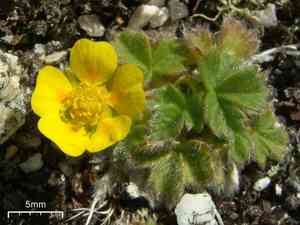
Villous cinquefoil is recognized for its attractive and hardy blooms.
2
This flora improves ground conditions and stops soil degradation.
3
Villous cinquefoil is simple to cultivate and needs little upkeep.
What are the Visual and Aesthetic Benefits of Villous cinquefoil?
Enhancing Garden Beauty
A primary reason to incorporate Villous cinquefoil into your garden is its visual appeal. The plant produces charming flower clusters, with colors ranging from vibrant yellow to soft white, depending on the specific cultivar. These blossoms can impart elegance and cheerfulness to any garden setting.
Creating Seasonal Interest
Beyond its immediate beauty, Villous cinquefoil offers seasonal appeal through its changing foliage and flowers. As seasons shift, so do the hues and textures of its leaves and blooms, providing a dynamic and ever-evolving landscape feature. This makes Villous cinquefoil valuable for gardeners aiming for a garden that transforms with the seasons.
How Does Villous cinquefoil Support Environmental Sustainability?
Soil Improvement
Another significant advantage of Villous cinquefoil is its capacity to enhance soil quality. This plant is recognized for its deep root system, which can help break up compacted soil and improve its structure. Furthermore, the roots of Villous cinquefoil can add organic matter to the soil, boosting its fertility and water retention capabilities.
Erosion Control
The robust root system of Villous cinquefoil also makes it an excellent choice for preventing erosion. By stabilizing the soil, this plant can avert soil loss on slopes and other vulnerable areas. This is particularly advantageous for gardeners seeking to maintain their landscape's integrity and guard against soil degradation.
What are the Ecological Benefits of Villous cinquefoil?
Supporting Pollinators
In addition to its visual and soil-improving advantages, Villous cinquefoil plays a vital role in supporting local ecosystems. Its flowers are a valuable nectar source for various pollinators, including bees and butterflies. By planting Villous cinquefoil, you can help sustain these essential creatures and contribute to local biodiversity's health.
Providing Habitat
Beyond supporting pollinators, Villous cinquefoil also serves as a habitat for various small creatures. Its dense foliage can offer shelter and protection for insects and other small animals, making your garden a haven for wildlife. This ecological benefit further highlights the importance of including Villous cinquefoil in your garden.
How to Successfully Grow and Care for Villous cinquefoil?
Choosing the Right Location
Successful cultivation of Villous cinquefoil begins with selecting the appropriate site. This plant thrives in well-drained soil and can tolerate a range of light conditions, from full sun to partial shade. However, it is especially well-suited to sunny spots where it can receive ample light to support its growth and flowering.
Watering and Maintenance Needs
One reason Villous cinquefoil is a favorite among gardeners is its minimal maintenance requirements. Once established, this plant is drought-tolerant and needs little watering. It's crucial to water Villous cinquefoil regularly during its initial planting phase to help establish its root system. Afterward, it can typically rely on natural rainfall.
What Companion Plants Work Well with Villous cinquefoil?
Garden Design Considerations
When planning a garden, it's essential to consider how Villous cinquefoil can complement other plants. Due to its adaptable nature, Villous cinquefoil pairs well with a variety of other plants, including ornamental grasses and other hardy perennials. Its bright flowers can offer a beautiful contrast to green foliage plants.
Creating a Balanced Ecosystem
Additionally, planting Villous cinquefoil alongside other native species can help establish a balanced and sustainable ecosystem in your garden. This approach not only enhances your garden's beauty but also supports a diverse range of wildlife, fostering a healthier and more resilient garden environment.



