How to Prune Red pondweed?
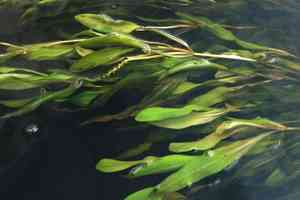
Potamogeton alpinus, recognized for its vibrant, crimson submerged leaves, flourishes in watery habitats. Trim it in Spring or Summer, when its development is most robust. Consistent removal of lifeless or sprawling stalks encourages more vital growth and preserves the visual charm of ponds or water features. Concentrate on eliminating deteriorating sections or those blocking illumination, which improves the plant's general well-being and the water's transparency. This particular upkeep prevents undue organic decomposition in the water, thereby supporting the aquatic environment.
What Are the Benefits of Pruning Red Pondweed?
What Are the Benefits of Pruning Red Pondweed?
Trimming red pondweed encourages robust development and maintains its form, enhancing its visual appeal in water gardens. Regular cutting prevents excessive growth, ensuring optimal health and light exposure for nearby aquatic plants.
What Is the Best Time for Pruning Red Pondweed?
What Is the Best Time for Pruning Red Pondweed?
Pruning or trimming red pondweed during Spring and Summer aligns with its active growth phases, promoting healthier development and denser foliage. In Spring, red pondweed begins emerging from its winter dormancy, making it an ideal time to prune to stimulate growth and enhance light penetration. Summer pruning is beneficial as it helps maintain shape, control size, and remove any damaged or overgrown stems, ensuring optimal light and nutrient distribution throughout the plant. These seasons are chosen to avoid stressing the plant during its dormancy in the colder months and to capitalize on its natural growth cycle for vigorous recovery and growth.
What Tools Do I Need to Prune Red Pondweed?
Long-handled shears
Perfect for reaching into deeper water to trim 'red pondweed'. The extended reach helps avoid disturbing the water too much, which is good for the aquatic environment.
Aquatic weed rake
Useful for removing clumps of 'red pondweed' from larger areas. This tool allows gardeners to efficiently manage the spread of 'red pondweed' by clearing out excess growth in a controlled manner.
Pond scissor
These are specifically designed for pruning underwater plants. They provide precision in cutting the stems of 'red pondweed', allowing for careful management of plant height and density.
How to Prune Red Pondweed
Identify
Carefully inspect red pondweed to identify diseased or withered leaves along with any affected stems. Look for signs of discoloration, spots, or decay.
Sanitize
Before starting to prune red pondweed, sanitize your pruning shears or scissors to prevent the spread of disease. Use a solution of 1 part bleach to 9 parts water to disinfect your tools.
Trim diseased leaves
Cut away the diseased and withered leaves of red pondweed at the stem where they meet healthy tissue. Ensure cuts are clean and as close to the base of the leaf as possible without damaging the stem.
Trim diseased stems
For any stems of red pondweed that show signs of disease, use your sanitized shears to cut back the stem to a healthy part, ensuring each cut is just above a leaf node or branching point. This encourages healthier growth.
Dispose
Properly dispose of all removed diseased and withered parts of red pondweed. Avoid composting these materials as they might contain pathogens. Sealing them in a plastic bag before disposal is recommended.
Common Pruning Mistakes with Red Pondweed
Overpruning
A common mistake is removing too much foliage from red pondweed, which can weaken the plant. Red pondweed's ability to photosynthesize and store nutrients is compromised if too much of its tissue is removed at once.
Improper technique
Using dull or dirty tools can damage red pondweed's stems, leading to jagged cuts that poorly heal and may become infected. It's crucial to use clean, sharp pruning shears.
Ignoring health
Another mistake is pruning without first assessing the health of red pondweed. Removing healthy foliage instead of targeting only dead or diseased stems can reduce the overall vigor of the plant.
Common Pruning Tips for Red Pondweed
Selective pruning
Focus on removing only the dead or damaged foliage to help maintain red pondweed's shape and encourage healthier growth. This approach prevents unnecessary stress and promotes recovery.
Clean tools
Before pruning red pondweed, ensure that all tools are sharp and sterilized. This helps make precise cuts that heal quickly and reduces the risk of spreading diseases.
Gradual approach
Especially for novice gardeners, it's advisable to prune gradually. Make a few cuts, assess, and then continue as needed rather than doing extensive pruning all at once. This method gives red pondweed the chance to adapt and thrive.



