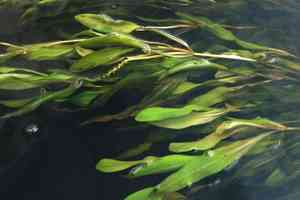
Red pondweed (Potamogeton alpinus)
Also known as: Reddish pondweed
Eelgrass, also known as Vallisneria, is a perennial aquatic plant that roots itself in the mud with a creeping rhizome. Its cylindrical, unbranched stems can extend up to 3 meters. The plant features sessile, lance-shaped submerged leaves between 7 to 18 cm long and 1 to 2.5 cm wide, characterized by 4-7 lateral veins on each side and a slightly hooded tip, with smooth edges. It may also produce floating leaves.
In This Article
Attributes of Red pondweed
Lifespan
Perennial
Plant Type
Herb
Plant Height
10-100 cm
Spread
N/A (Aquatic plant)
Leaf Color
Green
Flower Size
Small, less than 1 cm
Flower Color
Greenish-brown
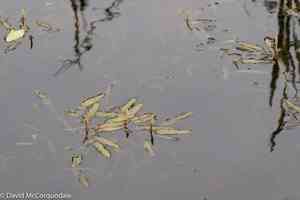
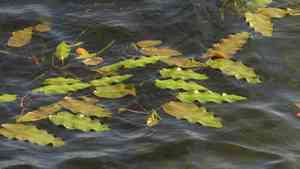
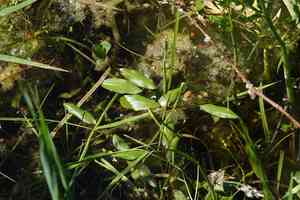
Images of Red pondweed
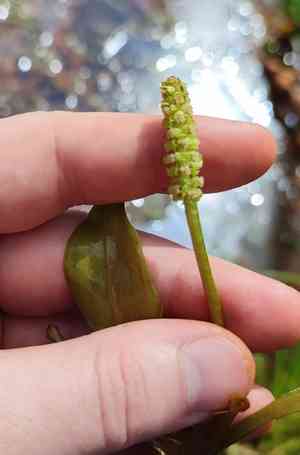
Quickly Identify Red pondweed
1
Identifying Potamogeton alpinus involves looking for submerged or floating leaves that are long, narrow, and slightly translucent. The leaves might have a wavy margin with prominent veins. Stems are typically long and flexible, which allows the plant to thrive in water.
Scientific Classification of Red pondweed
Phylum
Vascular plants
Class
Monocotyledons
Order
Alismatales
Family
Pondweed
Genus
pondweeds
Species
Red pondweed
Planting and Growing of Red pondweed
Care Difficulty
Easy
Watering Schedule
Every 6 days
Sunlight Requirements
Partial sun
Sunshine Duration
6-12 hours
Ideal Temperature
50-68℉
Soil Type
Potting Mix, Peat Mix
Soil pH
6.5-7.5
Fertilizer Type
Balanced
Pruning Season
Spring, Summer
Pruning Area
Branches, Leaves
Pruning Frequency
2 times a year
Repotting Season
Spring
Pot Type
Plastic, Ceramic
 How to Water Red pondweed?
Potamogeton alpinus requires a consistent watering regime where the soil is kept thoroughly moist but not waterlogged. You should water until about 500 ml of water saturates the soil, ensuring it penetrates to the roots but does not cause pooling of water around the plant.
What are the symptoms of an underwatered Red pondweed?
›
What should I do if my Red pondweed is not getting enough water?
›
What are the symptoms of an overwatered Red pondweed?
›
How to save an overwatered Red pondweed?
›
 What Are the Sunlight Requirements for Red pondweed?
Partially sunny conditions where Potamogeton alpinus can receive filtered sunlight for approximately 4 to 6 hours are ideal. These light levels bolster photosynthesis and overall health, promoting robust growth and ecological contribution.
What is the ideal light condition?
›
How to achieve ideal lighting conditions?
›
What benefits does ideal light provide?
›
 What Is the Ideal Temperature Range for Red pondweed?
The ideal temperature range for Potamogeton alpinus is between 50°F and 68°F. This range provides optimal growth conditions by balancing metabolic rates and photosynthetic efficiency.
 What Soil is Best for Red pondweed?
Potamogeton alpinus thrives in soil that retains moisture without becoming waterlogged. Achieving this balance ensures that the roots remain hydrated, promoting vigorous growth and healthy foliage. A good supply of organic matter in loam soil aids in providing essential nutrients. This composition supports strong plant development, contributing to the lushness of the foliage. While preferring moisture, this plant requires a well-drained soil to prevent root rot. Adequate drainage ensures longevity and prevents the buildup of pathogens.
 How to Fertilize Red pondweed?
For Potamogeton alpinus, a balanced approach is required. Use a diluted liquid fertilizer solution at half the recommended strength for aquatic plants. Apply about 10 ml per liter of water to avoid nutrient saturation which can lead to negative effects like algal blooms or nutrient burn.
 How to Prune Red pondweed?
Start by examining Potamogeton alpinus for any dead or yellowing leaves and stems. These should be removed first as they can attract pests and diseases. Potamogeton alpinus tends to grow vigorously. Use a clean pair of scissors to trim overgrown stems, keeping the plant neat and preventing it from overshadowing other aquatic plants. The plant can be shaped to enhance its aesthetic appeal in your water garden. Trim it to follow the natural contours of its growth, making sure to maintain a pleasing form.
More About Pruning Techniques→
 How to Propagate Red pondweed plant?
1
Sow the seeds of Potamogeton alpinus in a tray filled with aquatic compost. Cover them lightly with the compost or gravel, ensuring they remain moist. Place the tray in a warm location to encourage germination.
2
Select a healthy stem from the parent plant to take cuttings during the growing season. Using sterilized pruning shears, cut a section of the stem, making sure the cutting is 4-6 inches long with several leaves attached.
3
Insert the cut end of the cutting into a container filled with aquatic compost or place it directly into shallow water. Ensure the leaves remain above water to prevent rot, and keep the environment warm and well-lit.
 How to Repot Red pondweed plant?
1
Potamogeton alpinus signals its need for repotting through slow growth or if its pot becomes crowded with root-bound tangles. The optimal time to repot is during its active growth phases in spring or summer, ensuring the plant has adequate time to recover and establish in its new home before going dormant.
2
Select a pot that provides ample space for root expansion, ideally one size up from the current pot. This prevents the plant from becoming quickly constrained, allowing roots to spread comfortably. Ensure the pot has adequate drainage and is suitable for containing aquatic plants to maintain necessary moisture levels.
3
A loamy, aquatic potting mix is ideal for Potamogeton alpinus, providing nutrient richness and retaining moisture. The mix should closely mimic natural aquatic environments, supporting healthy root growth, and maintaining plant stability. Aim for a blend that balances water retention with necessary aeration.



