How to Prune Annual polemonium?
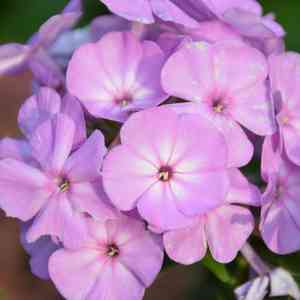
The yearly polemonium variety is distinguished by its fine, plume-like leaves and diminutive, vibrant blue blossoms. The most effective time for trimming is during spring, summer, and autumn to foster more robust development and an abundance of blooms. Concentrate on eliminating faded flowers, along with any impaired or ailing stalks, to preserve the plant's well-being. Consistent removal of spent blooms encourages ongoing flowering. Always sanitize your implements prior to use to avert the spread of pathogens. These practices not only improve aesthetics but also boost the plant's hardiness and lifespan.
What Are the Benefits of Pruning Annual Polemonium?
What Are the Benefits of Pruning Annual Polemonium?
Trimming annual polemonium encourages robust development and helps maintain its form. Regular trimming aids in size management, improves overall look, and lowers the chance of pest infestations. Keeping the plant healthy boosts its resilience and strength.
What Is the Best Time for Pruning Annual Polemonium?
What Is the Best Time for Pruning Annual Polemonium?
Trimming annual polemonium in spring, summer, and fall aligns with its growth pattern, minimizing stress and fostering strong development. In spring, new growth starts, making it ideal for shaping and removing winter damage. Summer trimming helps control growth and maintains the plant's structure. Fall trimming prepares annual polemonium for winter by removing dead or diseased sections, ensuring better health and vigor for the next growing season.
What Tools Do I Need to Prune Annual Polemonium?
Bypass Pruners
Perfect for making precise cuts on the soft, green stems characteristic of annual polemonium. These tools minimize harm and encourage healthier regrowth.
Pruning Shears
Useful for trimming longer stems and deadheading flowers efficiently, promoting better air circulation and reducing disease risk.
Precision Scissors
Excellent for detailed tasks, such as removing smaller stems and blooms, allowing accurate upkeep without harming the plant.
How to Prune Annual Polemonium
Inspect
Check annual polemonium for any shriveled leaves that require removal.
Sanitize
Ensure your trimming tools are clean and disinfected to prevent the spread of disease.
Position
Gently hold the stems of annual polemonium to avoid damaging healthy growth while accessing the shriveled leaves.
Trim
Using sharp shears, cut the shriveled leaves at their base where they meet healthy growth, making clean cuts to aid proper healing.
Dispose
Gather and discard the trimmed leaves, ideally away from the garden area to lessen the risk of pest and disease spread.
Common Pruning Mistakes with Annual Polemonium
Incorrect Cutting Technique
Using dull or dirty tools can harm the plant. Improper cuts can also lead to poor healing and increased vulnerability to disease.
Over-Pruning
Removing too much foliage at once can stress annual polemonium and hinder its ability to photosynthesize and recover properly.
Pruning at the Wrong Time
The timing of trimming can significantly impact the plant's growth cycle and blooming period. Pruning at unsuitable times can disrupt flowering and result in poor growth.
Ignoring Dead or Diseased Branches
Failing to remove dead or diseased parts can spread infections to healthy sections of the plant.
Common Pruning Tips for Annual Polemonium
Use Sharp, Clean Tools
Always use sharp and clean pruning shears to make precise cuts, reducing the chance of infection.
Prune Sparingly
Only remove up to a third of the plant's foliage at one time to avoid stressing annual polemonium. Focus on removing the tallest stems to encourage bushier growth.
Remove Dead or Diseased Parts
Consistently monitor annual polemonium for any dead or diseased foliage, and promptly prune these parts to prevent the spread of disease.
Promote Air Circulation
Thin out crowded areas to improve air circulation, which can help reduce the risk of fungal infections and promote healthier growth.
Encourage Flowering
Prune back spent flowers and stems to encourage new flowering and prevent the plant from diverting energy into seed production.



