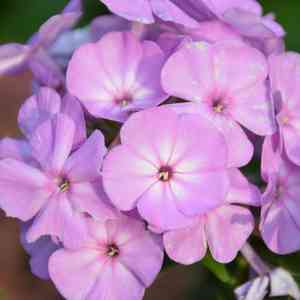
Annual polemonium (Polemonium micranthum)
Also known as: Small-flowered Jacob's Ladder, Dwarf Jacob's Ladder
Annual polemonium, often referred to as Jacob's ladder, is an alpine perennial admired for its small, bell-shaped blooms in hues of blue or violet. This hardy plant flourishes in cool, rocky mountain environments, with its compact growth form allowing it to withstand tough, windy conditions. Its fern-like, pinnate leaves create an attractive rosette at the base, setting off the clusters of blossoms that appear in spring and early summer.
In This Article
Attributes of Annual polemonium
Lifespan
Annual
Plant Type
Herb
Plant Height
10-30 cm
Spread
N/A - does not form a crown
Leaf Color
Green
Flower Size
Approximately 1 cm
Flower Color
Blue to violet
Images of Annual polemonium
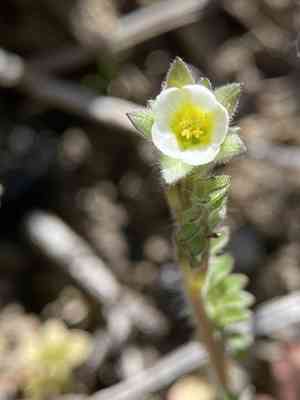
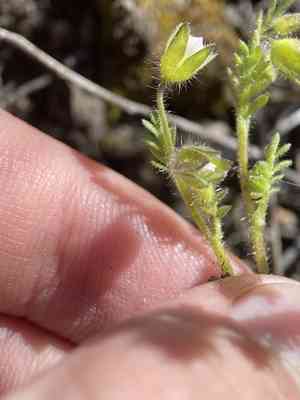
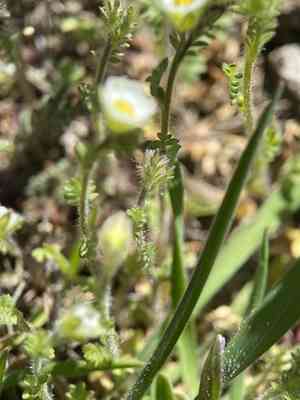
Quickly Identify Annual polemonium
1
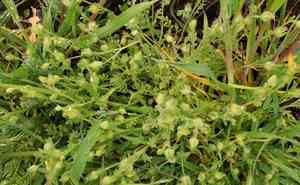
Identification of Polemonium micranthum includes looking for small, bell-shaped flowers that are blue to violet in color. The plant has finely divided, pinnate leaves with a ladder-like appearance. It typically grows to a height of 10-30 cm.
Scientific Classification of Annual polemonium
Phylum
Vascular plants
Class
Dicotyledons
Order
Ericales
Family
Phlox
Genus
Jacob's ladders
Species
Annual polemonium
Planting and Growing of Annual polemonium
Care Difficulty
Easy
Watering Schedule
Every 4 days
Sunlight Requirements
Partial sun
Sunshine Duration
6-10 hours
Ideal Temperature
60-75℉
Soil Type
Potting Mix, Peat Mix
Soil pH
6.5-7.5
Fertilizer Type
Balanced
Pruning Season
Spring, Summer
Pruning Area
Branches, Leaves
Pruning Frequency
Once a year
Repotting Season
Spring
Pot Type
Plastic, Ceramic
 How to Water Annual polemonium?
The watering amount for Polemonium micranthum should be carefully regulated to mimic its natural habitat. Water should be delivered until it really moistens the top 2-3 inches of soil, ensuring the roots can absorb moisture without being submerged. This prevents root rot while providing essential hydration.
What are the symptoms of an underwatered Annual polemonium?
›
What should I do if my Annual polemonium is not getting enough water?
›
What are the symptoms of an overwatered Annual polemonium?
›
How to save an overwatered Annual polemonium?
›
 What Are the Sunlight Requirements for Annual polemonium?
Polemonium micranthum prefers a light range of partial to full sun. Ideal light ensures sturdy growth and vibrant blooms, supporting its natural life cycle and aesthetic appeal.
What type of sunlight is best for Polemonium micranthum?
›
How can you achieve the ideal sunlight conditions for Polemonium micranthum?
›
What are the benefits of providing the ideal sunlight for this plant?
›
 What Is the Ideal Temperature Range for Annual polemonium?
The ideal temperature range for growing Polemonium micranthum is between 60°F and 75°F. This range supports optimal metabolic functions and healthy growth. Consistent temperatures within this range help ensure robust flowering and foliage development, making it vital for gardeners to monitor and maintain this specific climate environment.
 What Soil is Best for Annual polemonium?
Polemonium micranthum thrives in well-drained soil. Good drainage prevents root rot and other fungal infections, which ensures the plant grows healthily. Ample drainage channels excess water away from the roots, aiding in maintaining appropriate moisture levels for optimal growth. This plant prefers soil with moderate fertility. Excess nutrients can lead to lush foliage with poor flowering, while moderate fertility balances vegetative and reproductive growth, ensuring vibrant blooms and healthy, robust leaves. It benefits from soil with rich organic matter, which improves soil structure, moisture retention, and nutrient availability. Organic matter enhances microbial activity, transforming unavailable nutrients into forms plants can efficiently use.
 How to Fertilize Annual polemonium?
For Polemonium micranthum, fertilization should be done sparingly as it is a plant that thrives in moderately fertile soil. Utilize a diluted liquid fertilizer with a concentration of one-quarter of the recommended strength. Ensure the fertilizer is rich in nitrogen to support its lush foliage.
 How to Prune Annual polemonium?
Begin by identifying dead or damaged stems, which are usually darker and brittle. Remove these by cutting them back to the base of the plant. This will help prevent diseases and pests by improving air circulation through the plant. Once you've removed the dead or damaged parts, focus on shaping your Polemonium micranthum. Use sharp, clean shears to trim the stems to maintain a compact bushy form. Be gentle and avoid cutting more than one-third of the plant at one time to ensure it recovers well. To promote bushier growth and more blooms, pinch back the stem tips regularly throughout the pruning season. This can be done with your fingers by gently removing the growth tips. This method encourages lateral shoots and results in a fuller plant.
More About Pruning Techniques→
 How to Propagate Annual polemonium plant?
1
Fill the seed tray with potting soil, leaving a little space at the top. This avoids the overflow of water and allows for proper soil aeration.
2
Scatter the seeds evenly on the soil surface. Lightly cover them with a thin layer of soil, avoiding deep burial which can hinder germination.
3
Gently water the tray using a fine spray to avoid washing away the seeds. Maintain consistent moisture for optimal germination.
 How to Repot Annual polemonium plant?
1
Repot your Polemonium micranthum when it shows signs of being root-bound, such as slowed growth or roots emerging from the drainage holes. Another time to consider repotting is when the soil becomes compacted or loses its ability to retain moisture. Spring or autumn offers the best conditions for repotting due to moderate temperature and humidity levels.
2
Choose a pot that is just one size larger than the current one. The ideal pot should have drainage holes to prevent root rot and allow excess water to escape. Using a slightly larger pot helps the plant's roots to expand gradually, providing the right balance of space and growth conditions without overwhelming the plant with too much soil space.
3
A well-draining loamy mix is ideal for Polemonium micranthum. This kind of soil ensures that water doesn't stay logged, which could lead to root rot. A good mix allows the roots to breathe while retaining enough moisture to keep the plant hydrated. Amending your potting mix with perlite or coarse sand is beneficial for drainage.
Learn More About Annual polemonium Diseases
Anthracnose
Bacterial Leaf Spot
Bacterial Soft Rot
Bacterial Wilt
Crown Gall
Cyst Nematode
Damping-off
Downy Mildew
Drought Stress
Fusarium Wilt
Gray Mold
Leaf Spot
Mosaic
Nutrient Deficiency
Nutrient Toxicity
Powdery Mildew
Root Rot
Root-knot Nematode
Rusts
Sooty Mold
Spider Mites
Temperature Stress
Thrips Damage
White Mold
Chemical Injury



