How to Propagate Annual polemonium?
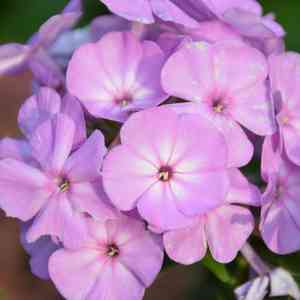
Annual Polemonium is most effectively multiplied by seeding. Guarantee a well-aerated substrate with adequate hydration. Disperse seeds directly into the earth or initiate them in pots. After planting, maintain a thin layer of soil over the seeds and keep the area uniformly damp. Offer ample sunlight to foster robust development. It is essential to observe and regulate ground conditions to prevent excessive wetness. Consistent removal of weeds is also advised for peak growth.
Optimal Time for Annual Polemonium Propagation
Propagation Method
Seeding
Propagation Period
Spring
Tools for Annual Polemonium Propagation
Seed Trays or Seed Flats
These shallow containers are crucial for sowing annual polemonium seeds. They facilitate even seed distribution and offer a controlled environment for sprouting.
Germination Mix or Seed Starting Soil
A premium, sterile germination mix guarantees annual polemonium seeds receive essential nutrients and a disease-free medium for sprouting. This blend often features good drainage and moisture retention, vital for young seedlings.
Humidity Dome
A clear plastic cover placed over seed trays helps maintain high humidity, which is essential for annual polemonium germination. It prevents seeds from drying and creates a warm, moist environment for sprouting.
Mist Sprayer
A mist sprayer delivers gentle, uniform moisture to the soil without disturbing the seeds. This is especially important for annual polemonium to avoid dislodging tiny seeds.
Heat Mat
A heat mat positioned beneath seed trays can provide bottom warmth, accelerating annual polemonium germination by maintaining a steady temperature.
Plant Labels
Using plant labels ensures sowing dates and plant species are recorded, aiding in monitoring annual polemonium progress and planning future cultivation tasks.
Fine Mesh Sieve
A fine mesh sieve can be used to lightly cover seeds with a very thin layer of soil or vermiculite, crucial for annual polemonium as they may need light to germinate and should not be buried deeply.
Grow Lights or Sunny Windowsills
Ensuring sufficient light is critical for healthy annual polemonium seedling development. Grow lights or a bright, sunny spot can provide the necessary light spectrum and intensity.
Sterilized Watering Can
Using a sterilized watering can helps prevent introducing pathogens to delicate annual polemonium seedlings, ensuring their health and reducing disease risk.
How to Propagate Annual Polemonium?
Propagation Difficulty
Simple
Caring for Newly Propagated Annual Polemonium
Caring for Newly Propagated Annual Polemonium
Once annual polemonium seedlings have developed their first true leaves, they can be moved to individual pots or directly into the garden. Ensure they get enough sunlight and keep the soil moderately moist. Gradually introduce young plants to outdoor conditions if they began indoors. After establishment, annual polemonium is relatively low-maintenance but should be checked for signs of drought or overwatering, adjusting care as needed.
Common Errors to Avoid When Propagating Annual Polemonium
Overwatering
Excessive moisture can lead to root rot and fungal diseases, hindering plant growth and vitality.
Poor Soil Drainage
Using soil that doesn't drain well can trap water around roots, causing issues similar to overwatering.
Insufficient Light
Annual polemonium needs adequate sunlight; too little light can stunt growth and result in poor flowering.
Not Stratifying Seeds
Failing to stratify (pre-treat) seeds can lead to low germination rates, as annual polemonium seeds often require this process to break dormancy.
Incorrect Seeding Depth
Planting seeds too deep or too shallow can impact germination, with seeds either failing to sprout or seedlings not emerging successfully.
Tips for Propagating Annual Polemonium
Ensure Proper Drainage
Utilize well-draining soil mixes to prevent waterlogging and root diseases.
Control Watering
Keep the soil consistently moist but not saturated; allow the top layer to dry before rewatering.
Provide Adequate Sunlight
Position annual polemonium where it can receive optimal light conditions, typically partial sun.
Stratify Seeds
Pre-treat seeds by stratifying them according to standard protocols for improved germination rates.
Correct Seeding Depth
Plant seeds at an appropriate depth, usually just covered by a thin layer of soil, to facilitate proper sprout emergence.



