How to Prune Poa sphondylodes?
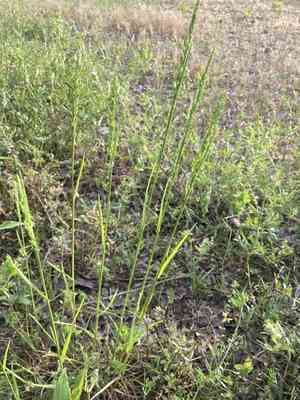
Distinguished by its clustered, compact development, poa sphondylodes thrives with trimming to sustain vitality and visual appeal. The ideal period for pruning is from late winter to early spring, coinciding with its natural growth pattern. Eliminate any deceased or compromised stalks, and reduce congested sections to enhance air movement. This fosters robust new development and deters ailments. Consistent trimming aids in controlling its expansion and elevates its decorative qualities. Consult authoritative gardening resources for comprehensive pruning techniques.
What Are the Benefits of Pruning Poa Sphondylodes?
What Are the Benefits of Pruning Poa Sphondylodes?
Trimming poa sphondylodes encourages robust development and helps maintain an optimal form. It improves air circulation, lessens pest and disease problems, and fosters a strong framework, ensuring the plant thrives and remains visually appealing.
What Is the Best Time for Pruning Poa Sphondylodes?
What Is the Best Time for Pruning Poa Sphondylodes?
Trimming poa sphondylodes in early spring or late winter capitalizes on its dormant phase. During these periods, poa sphondylodes is not actively growing, which reduces plant stress and minimizes the chance of disease and pest infestations. Furthermore, pruning just before the active growth season allows poa sphondylodes to recover and grow more vigorously, leading to a stronger, healthier plant. These seasons are chosen because they align with the plantâs natural growth cycle, ensuring peak health and performance.
What Tools Do I Need to Prune Poa Sphondylodes?
Hand Pruners
Crucial for cutting away dead foliage and making precise cuts, ensuring clean edges and preventing harm.
Grass Shears
Useful for shaping and maintaining poa sphondylodes, especially effective for delicate, accurate trimming.
Hedge Shears
Suitable for efficiently cutting back larger areas of poa sphondylodes, particularly in cases of excessive growth.
Electric Trimmers
Beneficial for managing extensive patches of poa sphondylodes, offering power and speed for large-scale upkeep.
How to Prune Poa Sphondylodes
Assessment
Examine poa sphondylodes for any indications of diseased or withered leaves before beginning the pruning process.
Sanitization
Sterilize pruning tools using a solution of one part bleach to ten parts water to prevent the spread of pathogens.
Diseased removal
Carefully remove any diseased leaves by cutting them at their base where they connect to the stem, ensuring no damage to healthy tissue.
Withered removal
Remove withered leaves by gently pulling or cutting them off at their base, ensuring you do not stress the plant.
Disposal
Properly dispose of all removed leaves to avoid any risk of disease spreading back to poa sphondylodes.
Common Pruning Mistakes with Poa Sphondylodes
Over-pruning
Eager gardeners often trim too much of poa sphondylodes, which can result in stunted growth and reduced vitality. Removing excessive foliage can hinder the plant's ability to photosynthesize effectively.
Improper Technique
Using dull or unsuitable tools can create jagged cuts that harm poa sphondylodes. Clean and sharp pruning shears are essential for making clean cuts that heal quickly.
Pruning at the Wrong Time
Although the best season for pruning is excluded, trimming during the incorrect growth stage can stress poa sphondylodes and diminish its resilience. Ensuring that pruning aligns with the plant's growth cycle is vital.
Ignoring the Shape
Neglecting to maintain the natural shape of poa sphondylodes can lead to an unattractive, uneven plant. Pruning should enhance the aesthetic form while promoting healthy growth.
Common Pruning Tips for Poa Sphondylodes
Use Sharp Tools
Always use sharp, clean pruning shears to make precise cuts that allow poa sphondylodes to heal quickly and lower the risk of disease transmission.
Follow the Plant's Natural Shape
Prune poa sphondylodes by following its natural form. This not only maintains its aesthetic appeal but also ensures balanced growth.
Remove Dead or Diseased Parts First
Start by removing any dead, diseased, or damaged parts of poa sphondylodes to prevent the spread of disease and pest issues.
Keep Cuts Clean
Make clean cuts at a slight angle, which allows moisture to drain away from the cuts, reducing the risk of rot and infection in poa sphondylodes.
Minimal Pruning for Young Plants
For younger poa sphondylodes plants, perform minimal pruning to avoid shocking the plant and stunting its growth. Focus on removing only what's necessary.



