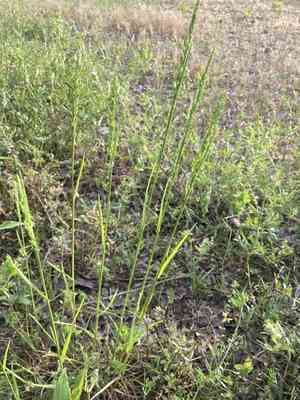
Poa sphondylodes (Poa sphondylodes)
Also known as: none
Poa sphondylodes, or wood bluegrass, is commonly found in moist, shaded woodland areas. It flourishes in nutrient-rich, well-drained soils typical of deciduous forests. This grass grows in tufts, forming clumps that can reach 30-60 cm in height. It is characterized by its narrow, green leaves and delicate flower panicles that appear in the spring. Adapted to shaded environments, poa sphondylodes is well-suited to forest understoreys and other similar habitats.
In This Article
Attributes of Poa sphondylodes
Lifespan
Perennial
Plant Type
Herb
Plant Height
30 cm to 60 cm
Spread
n/a
Leaf Color
Green
Flower Size
1 cm
Flower Color
greenish
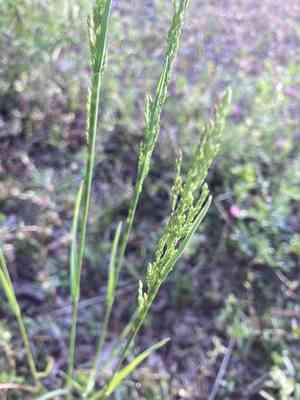
Images of Poa sphondylodes
Quickly Identify Poa sphondylodes
1
Poa sphondylodes can be identified by its slender stems and narrow leaves. The flowers are small and arranged in loose, open panicles.
Scientific Classification of Poa sphondylodes
Phylum
Vascular plants
Class
Monocotyledons
Order
Poales
Family
Grass
Genus
Meadow-grasses
Species
Poa sphondylodes
Planting and Growing of Poa sphondylodes
Care Difficulty
Moderate
Watering Schedule
Every 4 days
Sunlight Requirements
Full sun
Sunshine Duration
10-12 hours
Ideal Temperature
60-75℉
Soil Type
Potting Mix, Peat Mix
Soil pH
6.5-7.5
Fertilizer Type
Balanced
Pruning Season
Spring, Summer
Pruning Area
Branches, Leaves
Pruning Frequency
2 times a year
Repotting Season
Spring
Pot Type
Plastic, Ceramic
 How to Water Poa sphondylodes?
Poa sphondylodes prefers consistent moisture, so water with about 500 ml per session. Make sure the soil is evenly moist but not waterlogged. Check with your finger: soil should feel damp to touch without water pooling.
What are the symptoms of an underwatered Poa sphondylodes?
›
What should I do if my Poa sphondylodes is not getting enough water?
›
What are the symptoms of an overwatered Poa sphondylodes?
›
How to save an overwatered Poa sphondylodes?
›
 What Are the Sunlight Requirements for Poa sphondylodes?
Poa sphondylodes prefers a light range of full to partial sun. This ideal condition promotes dense growth and vibrant, healthy foliage, ensuring the plant remains robust and aesthetically pleasing.
What type of sunlight does Poa sphondylodes prefer?
›
How can I provide the optimal lighting for this plant?
›
What are the benefits of ideal lighting for Poa sphondylodes?
›
 What Is the Ideal Temperature Range for Poa sphondylodes?
The ideal temperature range for Poa sphondylodes is between 60°F and 75°F. At these temperatures, the plant thrives and exhibits optimal growth. Within this range, enzymatic activities and metabolic rates are at their peak, ensuring vigorous development and reproduction. It is crucial to maintain a consistent temperature within this range to promote healthy foliage and prevent stress-related growth issues.
 What Soil is Best for Poa sphondylodes?
Poa sphondylodes thrives in well-drained soils that allow water to move freely, preventing root rot. This kind of soil structure keeps the roots healthy and promotes vigorous growth, ensuring the grass maintains its lush green appearance. This plant benefits from soils rich in organic matter, which provides essential nutrients for optimal growth. A nutrient-rich environment supports the development of dense and healthy foliage, enhancing the plant's resilience to environmental stresses. While drainage is important, the soil should also retain enough moisture to support consistent growth. The balance between drainage and moisture retention helps maintain the plant's health by providing a steady supply of water without waterlogging the roots.
 How to Fertilize Poa sphondylodes?
When fertilizing Poa sphondylodes, use approximately 1/4 to 1/2 teaspoon of liquid fertilizer diluted in 1 liter of water for every application. For solid fertilizers, apply about 1 tablespoon per square meter, ensuring even distribution to avoid concentrated spots that could harm the roots.
 How to Prune Poa sphondylodes?
Begin by identifying dead or diseased blades within your Poa sphondylodes. These should be removed first to improve overall health and allow the plant to allocate resources more efficiently to healthy growth. When pruning Poa sphondylodes, cut at a 45-degree angle to the blade's base. This method encourages water runoff and reduces the risk of rot, maintaining robust and vibrant grass. Thin out any dense clusters to improve air circulation within the grass. This is crucial in preventing fungal diseases and ensuring each blade gets an adequate amount of sunlight and nutrients.
More About Pruning Techniques→
 How to Propagate Poa sphondylodes plant?
1
Prepare a seed tray with well-draining soil mix. Scatter Poa sphondylodes seeds evenly over the surface, lightly pressing them into the soil. Water gently and keep the tray in a warm, bright location.
2
In early summer, dig up mature Poa sphondylodes plants. Use a sharp knife or garden trowel to divide the root clump into smaller sections, each with leaves and roots. Replant the divisions promptly in prepared soil.
3
When seedlings are strong enough to handle, transplant them into larger pots or an outdoor space. Ensure they have adequate space to grow and are placed in a location with partial sunlight.
 How to Repot Poa sphondylodes plant?
1
For Poa sphondylodes, repotting becomes necessary when its roots start to outgrow the current pot, peeking through the drainage holes or the soil becomes hard and compacted. Spring and autumn are ideal times for repotting, as the plant can recover more swiftly during these active growth periods.
2
Select a pot that is just one size larger than the current one. Choosing a pot with adequate drainage is crucial to prevent root rotting. A slightly bigger pot provides the right balance, allowing room for root expansion without overwhelming the plant with excessive soil, which can lead to moisture retention issues.
3
A well-draining, loamy soil is ideal for Poa sphondylodes. This soil type retains enough moisture to nourish the plant while allowing excess water to drain away, preventing root suffocation and associated diseases. The loamy texture supports aeration, which is vital for healthy root development.



