How to Prune Waxy bonnet orchid?
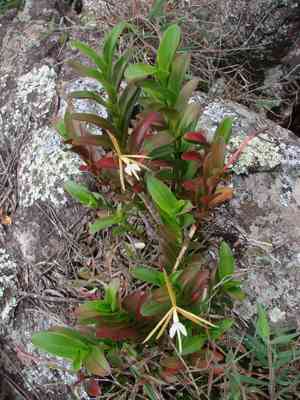
The waxy bonnet orchid, recognized by its glossy, hood-like blossoms, thrives with judicious trimming to preserve its unique aesthetic. The most suitable periods for pruning are in the early spring and late winter, coinciding with its natural development phase. Consistently eliminate any withered or ailing foliage and faded blooms to foster robust growth and abundant flowering. Refrain from extensive cutting; instead, prioritize gentle shaping to control the plant's dimensions. This practice enhances air movement, thereby diminishing the likelihood of fungal ailments.
What Are the Benefits of Pruning Waxy Bonnet Orchid?
What Are the Benefits of Pruning Waxy Bonnet Orchid?
Trimming waxy bonnet orchid encourages robust development and maintains its form. By eliminating dead or weak stems, cultivators can boost overall plant vitality and promote better blooming. Furthermore, pruning aids in managing plant size and prevents overcrowding, thereby lowering the risk of pests and diseases.
What Is the Best Time for Pruning Waxy Bonnet Orchid?
What Is the Best Time for Pruning Waxy Bonnet Orchid?
Trimming waxy bonnet orchid during early spring and late winter is optimal as these periods coincide with the plant's dormant phase or just before new growth commences. This timing ensures minimal stress on the plant and facilitates healthy new development in the forthcoming growing season. Moreover, pruning during these seasons helps deter any potential diseases or pests that might affect waxy bonnet orchid during more active growth periods.
What Tools Do I Need to Prune Waxy Bonnet Orchid?
Precision Pruning Shears
Crucial for making neat and accurate cuts on smaller stems and roots. Best for the delicate nature of waxy bonnet orchid. Ensure the shears are disinfected to avoid infections.
Fine-tipped Scissors
These are suitable for trimming small, intricate sections without harming the plant. Perfect for sensitive areas where exactness is required.
Sterilizing Solution (e.g., Isopropyl Alcohol)
Essential for sanitizing tools before and after trimming to prevent the spread of diseases to which waxy bonnet orchid is vulnerable.
How to Prune Waxy Bonnet Orchid
Inspection
Begin by closely examining waxy bonnet orchid to identify any diseased or withered leaves. These parts typically show discoloration or have a different texture than healthy foliage.
Sanitization
Disinfect your pruning tools with a solution of one part bleach to nine parts water or rubbing alcohol to prevent the spread of pathogens.
Cut removal
Carefully trim any diseased or withered leaves by making clean cuts at the base of each affected leaf. Ensure you remove all parts showing signs of disease to prevent re-infection.
Disposal
Gather all removed leaves and discard them away from other plants to avoid contaminating healthy plants with any lingering pathogens.
Monitor
Regularly observe waxy bonnet orchid after pruning for any signs of recurring disease or additional wilting, and repeat the pruning process as necessary.
Common Pruning Mistakes with Waxy Bonnet Orchid
Excessive pruning
One of the most frequent errors gardeners make is removing too much of the plant's foliage. Waxy bonnet orchid does not require extensive trimming, and over-pruning can stress the plant, potentially causing it to produce fewer flowers or even die back.
Improper tool use
Using dull or unclean tools can cause jagged cuts and introduce diseases to waxy bonnet orchid. Ensuring your pruning shears or scissors are sharp and sterilized will help maintain the plantâs health.
Pruning at the wrong growth stage
Some gardeners prune waxy bonnet orchid without considering its growth cycle, leading to missed flowering opportunities or slowed growth. Trimming too early or too late in its growth phase can have negative impacts.
Pruning old canes
Removing older canes that still support healthy leaves and flowers is a mistake. These canes are crucial for the current growth and overall stability of the plant.
Common Pruning Tips for Waxy Bonnet Orchid
Minimal pruning
Only remove dead, diseased, or broken parts of waxy bonnet orchid. This ensures the plant's energy is directed towards healthy growth and flower production, without unnecessary stress.
Clean cuts
Always make clean, even cuts close to the base of the damaged or dead sections. This helps the plant heal faster and reduces the risk of disease.
Use sterilized tools
Always sterilize your pruning tools before and after use to prevent the spread of pathogens. A solution of 70% isopropyl alcohol can be used for this purpose.
Focus on health
Regularly inspect waxy bonnet orchid for any signs of disease or damage and prune selectively. This helps maintain overall plant health and encourages robust growth.
Maintain shape
Light pruning to maintain the desired shape of waxy bonnet orchid can be done as necessary. However, be cautious not to overdo it.



